




Retinol for Mature Skin After 50
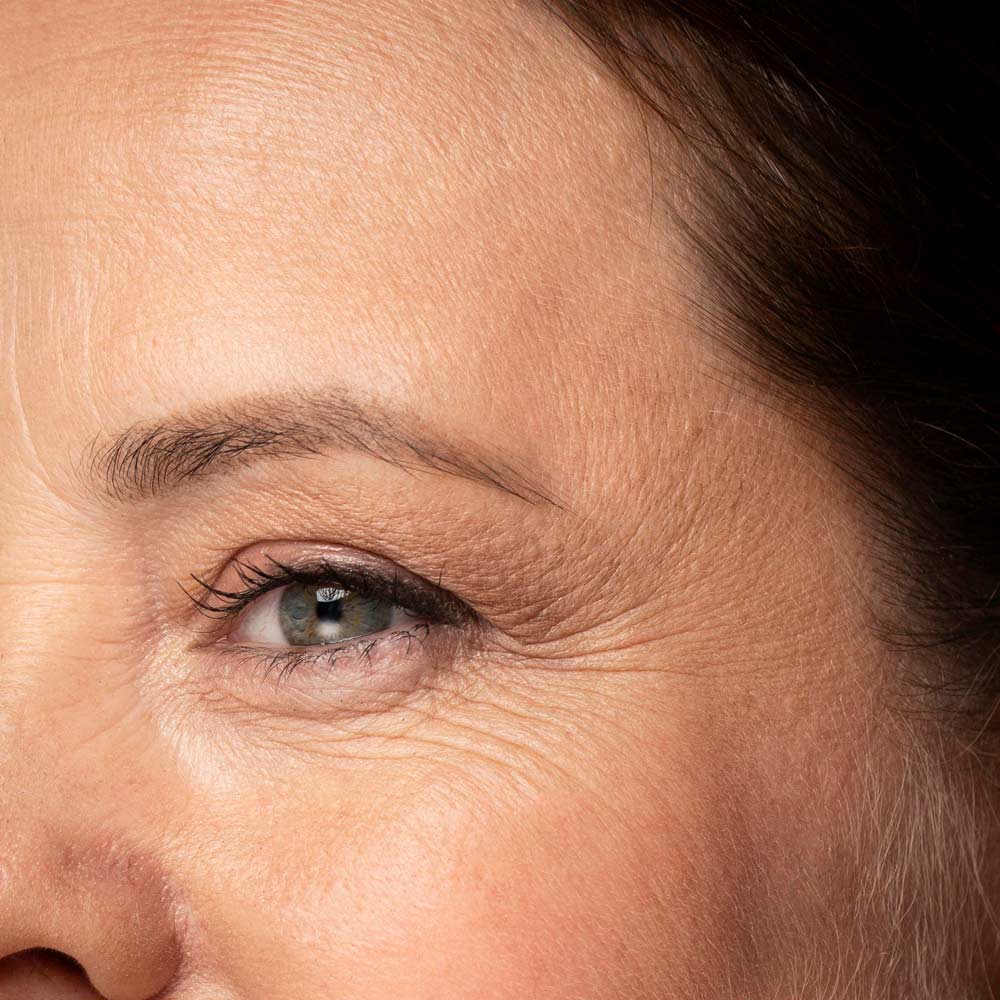
Retinol for mature skin is a vitamin A derivative that speeds cell turnover, prompts collagen renewal, and softens fine lines and rough texture. After 50, it remains one of the most evidence-backed ingredients for changing skin, as long as you start at a low strength and build up slowly to protect a drier barrier.
On this page
- Why retinol works for mature skin
- What changes for retinol after 50
- Retinol and menopause skin
- How to use retinol on mature skin
- Which strength and how often
- Retinol vs retinal
- What to pair and what to avoid
- Frequently asked questions
Why retinol works for mature skin
Retinol is a form of vitamin A that your skin converts into retinoic acid, the active molecule that signals cells to renew faster and fibroblasts to make more collagen. It is not a surface exfoliant that simply buffs away dead cells. That deeper signaling is why it earns a place in mature routines.
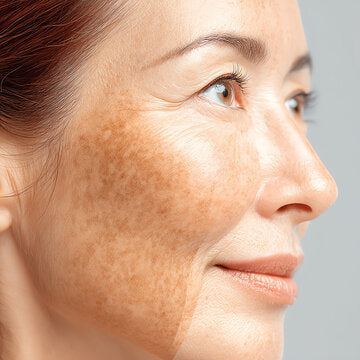
As skin ages, cell turnover slows, collagen production drops, and the surface looks duller and less even. Retinol pushes turnover back toward a younger pace, which smooths texture, refines the look of pores, and helps fade uneven tone and sun-related pigment.
According to the American Academy of Dermatology, retinoids increase collagen and speed cell turnover, which improves the appearance of fine lines, texture, and discoloration over time. That combination of benefits is hard to match with any single other ingredient.
If you want the wider picture of how skin shifts in midlife, our complete guide to menopause skin care puts retinol in context alongside barrier repair and hydration.
What changes for retinol after 50
Retinol after 50 is not a different ingredient, but your skin is a different canvas. Estrogen decline thins the skin, reduces oil, and weakens the moisture barrier, so the same product that felt fine at 35 can sting, flake, or feel tight now.
That does not mean you skip retinol. It means you adjust the approach. Lower strengths, buffered application, and a slower ramp let you keep the collagen and texture benefits while respecting a barrier that holds less water.
According to a review published in Clinical Interventions in Aging, topical retinoids meaningfully improve the signs of both natural aging and sun damage, with tolerability improving when concentration and frequency are managed carefully. Older skin simply needs a gentler on-ramp.
The table below shows how the same active plays differently across decades.
| Factor | Skin in your 30s | Mature skin after 50 |
|---|---|---|
| Barrier strength | Robust, holds moisture well | Thinner, drier, more reactive |
| Starting strength | 0.3 to 1.0 percent | 0.2 to 0.3 percent |
| Starting frequency | 2 to 3 nights a week | 1 to 2 nights a week |
| Buffering needed | Optional | Recommended |
| Main goal | Prevention, tone | Firmness, texture, fine lines |
Retinol and menopause skin
Menopause skin loses collagen fast. Research often cited by the Menopause Society notes that women can lose roughly 30 percent of skin collagen in the first five years after menopause, then a steady decline after that. Less collagen means more fine lines, looser texture, and a thinner surface.
Retinol menopause skin support works because retinol directly encourages fibroblasts to rebuild collagen and elastin. It cannot replace estrogen, but it addresses one of the visible downstream effects of losing it. Paired with good hydration, it helps skin look firmer and more resilient.
According to the North American Menopause Society, the drop in estrogen during and after the transition drives much of the dryness, thinning, and loss of elasticity women notice. Understanding that link is covered in our article on how hormonal changes during menopause affect your skin, and the collagen side is unpacked in our piece on collagen and menopause.
Because menopausal skin is also drier, retinol should sit inside a routine built for moisture, not against it. If tightness and flaking are already an issue, read our guide to perimenopause dry skin before you begin.
How to use retinol on mature skin
How to use retinol on mature skin comes down to one phrase: low and slow. You are training your skin to accept the active without triggering the redness, flaking, and stinging that make people quit in week two.
Here is a simple starter routine that protects a midlife barrier:
- Cleanse with a gentle, non-stripping cleanser and let skin dry fully.
- Apply a pea-size amount of retinol to the whole face, avoiding the immediate eye area and corners of the nose.
- Wait a few minutes, then layer a rich moisturizer on top to buffer and seal in hydration.
- Use it only 1 to 2 nights a week for the first two weeks, then add a night as tolerated.
- Every morning, finish with a broad-spectrum SPF 30 or higher, since retinol makes skin more sun-sensitive.
The buffering step matters most for mature skin. Applying moisturizer first or immediately after retinol slows absorption slightly and cuts irritation while keeping the benefit. A dedicated night cream for aging skin works well in this role.
If your barrier is already compromised, pause retinol and repair first. Our guide to skin barrier repair walks through how to calm and rebuild before reintroducing actives.
Which strength and how often
For retinol after 50, strength and frequency matter more than the number on the label. A well-tolerated 0.3 percent used consistently beats a 1 percent that your skin cannot handle. Consistency, not intensity, builds collagen.
| Stage | Strength | Frequency | What to expect |
|---|---|---|---|
| Weeks 1 to 2 | 0.2 to 0.3 percent | 1 to 2 nights | Adjustment, slight dryness |
| Weeks 3 to 6 | 0.3 percent | 2 to 3 nights | Smoother texture emerging |
| Weeks 7 to 12 | 0.3 to 0.5 percent | 3 to 4 nights | Fine lines soften, tone evens |
| 3 months plus | 0.5 percent as tolerated | Most nights | Firmer, more resilient look |
If you ever see persistent redness, burning, or peeling, drop back a step rather than pushing through. Mild dryness in the first two weeks is normal; ongoing irritation is a signal to slow down.
Retinol vs retinal
Retinol vs retinal confuses a lot of shoppers, and the single letter hides a real difference. Both are over-the-counter vitamin A derivatives, but they sit at different points on the path to active retinoic acid.
Retinol is two conversion steps away from active retinoic acid, while retinal is not as far removed, sitting just one step away. That means retinal tends to act a little faster at a comparable strength, though retinol stays the gentler, more forgiving choice for reactive skin.
| Retinol | Retinal (retinaldehyde) | |
|---|---|---|
| Steps to active form | Two | One |
| Speed of results | Steady | Slightly faster |
| Gentleness | Very forgiving | Can be a touch stronger |
| Best for after 50 | Great starting point | Good once tolerant |
For most women beginning in midlife, retinol is the sensible entry point. You can graduate to retinal later if you want faster movement and your skin has proven it can cope.
What to pair and what to avoid
The right partners make retinol far kinder to mature skin. Hydrators and barrier-support ingredients let the active do its work without leaving skin raw.
Pair retinol with:
- Hyaluronic acid and glycerin for water-binding hydration.
- Ceramides and fatty acids to reinforce the barrier.
- Niacinamide to calm and support resilience.
- A rich moisturizer or plant oil to buffer and seal.
- Daily SPF, which is non-negotiable alongside any retinoid.
Be cautious combining retinol in the same routine with strong exfoliating acids or high-strength vitamin C, since stacking actives on drier midlife skin invites irritation. Use them on alternate days or at different times of day. If you love vitamin C, our note on encapsulated vitamin C for sensitive aging skin explains a gentler way to keep it in rotation.
Above all, do not let retinol dry you out unchecked. Feeding the barrier with moisture and healthy fats keeps skin comfortable so you can stay consistent. Explore hydrating options in our full collection to round out a retinol-friendly routine.
Frequently asked questions
Is retinol safe for mature skin after 50?
Yes. Retinol is well studied and widely recommended for mature skin. After 50, the key is a lower strength and a slower schedule so your drier barrier can adjust. Start at 0.2 to 0.3 percent two nights a week, buffer with moisturizer, and build up gradually.
What percentage of retinol should you use after menopause?
Most midlife skin does best beginning at 0.2 to 0.5 percent. Menopausal skin is drier and more reactive, so a low concentration used a few nights a week supports collagen and texture without overwhelming the barrier. You can move higher only once your skin tolerates it comfortably.
How long does retinol take to work on mature skin?
Expect smoother texture in about four to six weeks and visible softening of fine lines and firmer-looking skin around twelve weeks. Collagen changes are gradual, so consistency over three to six months matters far more than strength.
What is the difference between retinol and retinal?
Retinal, also called retinaldehyde, is one conversion step closer to active retinoic acid than retinol, so it works a little faster at a comparable strength. Retinol is gentler and more forgiving for reactive midlife skin. Both improve texture, tone, and firmness over time.
Can you use retinol with hyaluronic acid and moisturizer?
Yes, and you should. Layering hyaluronic acid and a rich moisturizer with retinol reduces dryness and flaking while keeping the active working. This buffering approach is ideal for the drier, thinner skin common after 50.
Read more
The best vitamin C serum for mature skin is a gentle, stable formula that brightens uneven tone, defends against daily free radical damage, and supports the collagen your skin makes more slowly w...

The emotional changes of midlife deserve the same attention as the physical ones. You may have expected hot flashes or changes in your periods. You may have been prepared to rethink your sleep, you...