






Encapsulated Vitamin C: Targeted Brightening and Antioxidant Protection for Sensitive, Aging Skin
Encapsulated Vitamin C delivers the familiar benefits of Vitamin C - brightening, antioxidant protection, and collagen support - in a more stable, skin-compatible form. By surrounding the active ingredient with a protective capsule, often lipid or polymer-based, encapsulation helps preserve potency and reduce irritation risk.
This makes it especially beneficial for menopausal skin, which tends to be more sensitive or reactive but still needs antioxidant defense, tone correction, and firmness support.
A Brief History of Encapsulated Vitamin C in Skincare
Traditional Vitamin C, or ascorbic acid, has long been a cornerstone of cosmetic science. However, it’s highly unstable and easily breaks down when exposed to light, air, or heat. Encapsulation technology, developed in the early 2000s, was introduced to solve this problem. By improving stability and allowing gradual release, encapsulated Vitamin C maintains its effectiveness longer and delivers its benefits more evenly.
This controlled delivery helps Vitamin C penetrate deeper into the epidermis while minimizing irritation, making it ideal for sensitive or mature skin. Today, encapsulated forms are commonly used in moisturizers, serums, and daily treatments.
How Encapsulated Vitamin C Supports Skin During Menopause
During menopause, reduced estrogen levels slow collagen production, leading to dullness, uneven tone, and loss of elasticity. Encapsulated Vitamin C provides targeted antioxidant support without disrupting the skin’s natural barrier. Research shows it can help reduce oxidative stress, improve skin firmness, and restore a more even, radiant tone.
Common Skin Symptoms During Menopause and How Encapsulated Vitamin C May Help
-
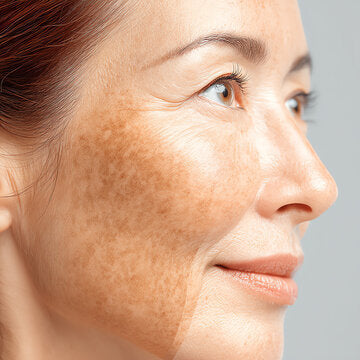
Dull or uneven skin tone: Brightens the complexion and helps fade visible pigmentation.
-
Loss of firmness: Supports collagen synthesis for a firmer, lifted appearance.
-
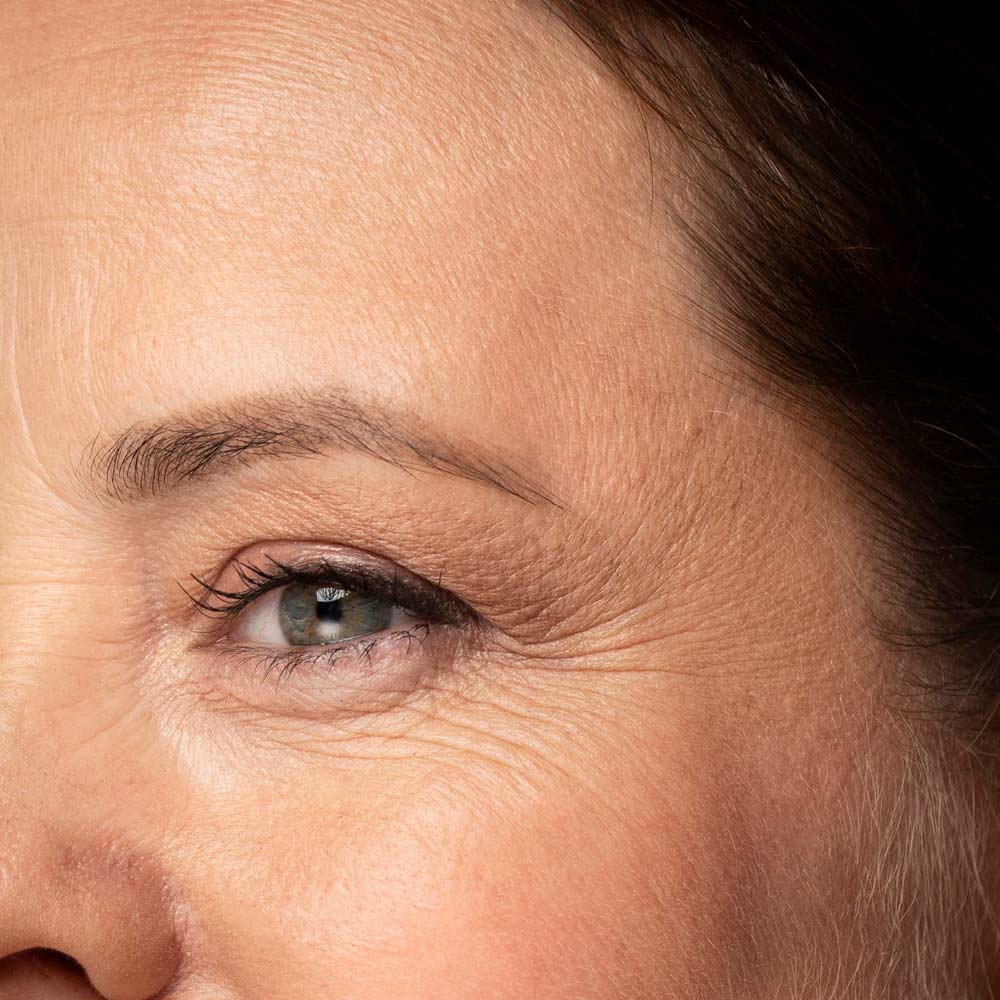
Fine lines and wrinkles: Provides antioxidant protection that helps soften visible aging.
-
Sensitivity or reactivity: Encapsulation minimizes irritation for delicate or reactive skin.
-
Dark spots or sun damage: Reduces the appearance of hyperpigmentation over time.
-
Increased oxidative stress: Neutralizes free radicals from UV exposure, pollution, and stress.
-
Slow skin renewal: Promotes clearer, more even skin texture when used with exfoliants.
Visible Results with Consistent Use
With regular use, encapsulated Vitamin C can lead to visibly brighter, smoother, and more even-toned skin within weeks. It pairs well with other menopausal skincare staples like peptides, hyaluronic acid, and retinoids.
Because of its stabilized form, it stays active longer and is often better tolerated than traditional Vitamin C, even on delicate or redness-prone skin.
Used in: Energizing Day Cream Tx
Sources
-
Fang, C. L., & Fang, J. Y. (2015). Nano- or microemulsions for dermal and transdermal delivery of Vitamin C. International Journal of Nanomedicine.
-
Stevenson, S., & Thornton, J. (2022). Effect of estrogens on skin aging and the potential role of SERMs. Dermato-Endocrinology.
-
Pullar, J. M., Carr, A. C., & Vissers, M. C. M. (2017). The roles of Vitamin C in skin health. Nutrients.
-
Al-Niaimi, F., & Chiang, N. Y. Z. (2017). Topical Vitamin C and the skin: Mechanisms of action and clinical applications. Journal of Clinical and Aesthetic Dermatology.
-
Rhie, G. E., Shin, M. H., Seo, J. Y., et al. (2001). Aging- and photoaging-dependent changes of enzymic and nonenzymic antioxidants in the epidermis and dermis. Journal of Investigative Dermatology.
-
Tobin, D. J. (2017). Introduction to skin aging. Journal of Tissue Viability.
-
Telang, P. S. (2013). Vitamin C in dermatology. Indian Dermatology Online Journal.
Read more

Menopause is a time of significant change, not just hormonally but for your skin as well. As estrogen declines, your skin produces less collagen, hydration levels drop, and common concerns like dry...
If you thought Tremella was a term straight out of a sci-fi book or perhaps a gourmet culinary treat, think again. Tremella, also known as Tremella fuciformis, is quickly becoming the skincare indu...