






Collagen and Menopause: What Every Woman Should Know

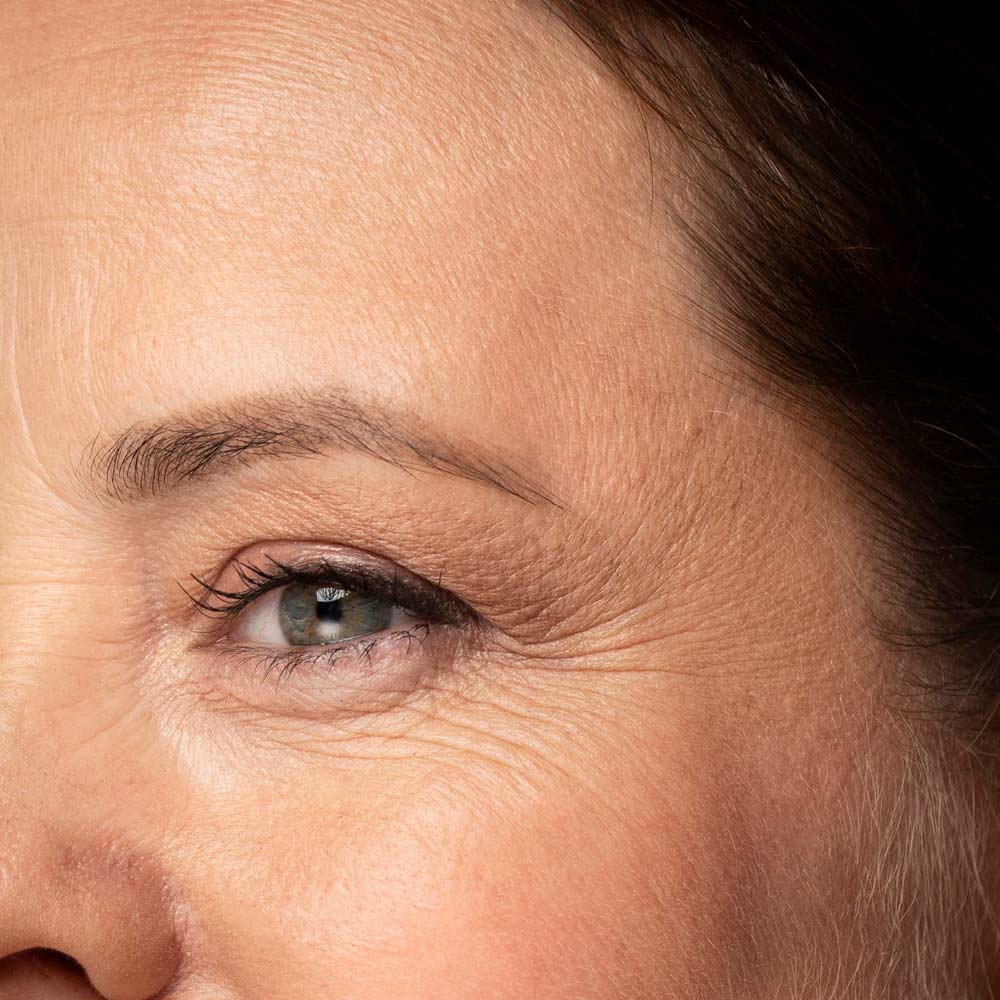
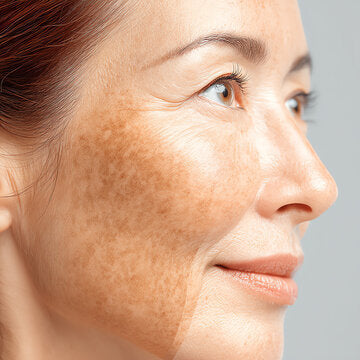
Collagen and menopause is a topic that's personal for millions of women — and one that most skincare brands completely ignore. Here's the reality: your skin loses up to 30% of its collagen in the first five years after menopause begins. That's not a slow fade. It's a sharp, measurable decline that changes how your skin looks, feels, and behaves.
If you've made 2026 the year you take your skin seriously — really seriously — understanding what's happening beneath the surface is the single most powerful step you can take. Not another miracle cream promise. Actual science.
This article breaks down exactly what happens to collagen during menopause, what the research says about rebuilding it, and which approaches are worth your time.
How Much Collagen Do You Lose During Menopause?
Collagen loss during menopause is dramatic and well-documented. According to the American Academy of Dermatology, women lose approximately 30% of their skin collagen within the first five postmenopausal years. After that initial drop, collagen declines by roughly 2% every year for the next two decades.
That 30% figure isn't abstract. It translates directly into what dermatologists recognize as the visible shifts of menopause — thinner skin, reduced firmness, deeper lines, and a loss of that underlying "bounce" that characterized your skin in your 30s. Shift 1 of SUM OF ALL's 7 Visible Shifts framework — Loss of Firmness and Elasticity — is driven almost entirely by this collagen decline.
Collagen loss during menopause is not the same as normal aging. It's hormonally accelerated. A 55-year-old postmenopausal woman will have significantly less skin collagen than a 55-year-old man, purely because of the estrogen cliff.
| Age Range | Collagen Change | Primary Cause |
|---|---|---|
| 25–35 | ~1% loss per year | Natural aging |
| 35–45 (Perimenopause) | ~1.5% loss per year | Early estrogen fluctuation |
| First 5 years post-menopause | ~30% total loss | Rapid estrogen decline |
| 5–20 years post-menopause | ~2% loss per year | Sustained low estrogen |
Skin thickness drops by about 1.13% per postmenopausal year too, according to a study published in the American Journal of Clinical Dermatology. Thinner skin is more fragile, slower to heal, and shows vascular changes more easily. This isn't vanity — it's structural integrity.
Why Estrogen Decline Accelerates Collagen Loss
Estrogen is the master regulator of collagen synthesis in skin. When estrogen levels fall during menopause, your skin's fibroblasts — the cells responsible for producing collagen — slow down significantly. The connection between collagen and menopause comes down to this single hormonal shift.
Estrogen is not just a reproductive hormone. It directly binds to estrogen receptors on fibroblasts and signals them to produce type I and type III collagen. When that signal weakens, production drops but degradation continues at the same pace. The balance tips, and you lose collagen faster than you replace it.
According to research published in the British Journal of Dermatology, estrogen also regulates matrix metalloproteinases (MMPs) — enzymes that break down collagen. With less estrogen keeping MMPs in check, collagen breakdown accelerates at the same time production falls. It's a double hit.
This is why perimenopause matters so much. The years between 40 and 55, when estrogen levels are fluctuating unpredictably, are when proactive collagen support can make the biggest difference. Waiting until after menopause means you're already working from a significant deficit.
There's a reason hormone-conscious skincare exists as a category now. Conventional products aren't formulated to address estrogen-driven changes. They target surface hydration or generic "anti-aging" — a phrase that ignores the specific biology of what's happening. Skincare that understands this hormonal mechanism can work with your skin's changing needs rather than against them.
Collagen Supplements vs Topical Collagen: Which Works?
Collagen supplements and topical collagen both have roles, but they work through entirely different mechanisms — and the evidence behind each varies significantly. Understanding both sides matters if you're dealing with collagen and menopause.
Oral collagen supplements are not the same as topical collagen creams. Supplements provide hydrolyzed peptides that your body absorbs and redistributes. Topical products can't deliver intact collagen molecules through the skin barrier — they're too large.
A 2019 meta-analysis in the Journal of Drugs in Dermatology reviewed 11 studies and found that oral collagen peptides (2.5–10g daily) improved skin elasticity, hydration, and wrinkle depth within 8 to 12 weeks. That's solid evidence, but the key phrase is "collagen peptides" — look for hydrolyzed forms with low molecular weight.
| Factor | Oral Collagen Supplements | Topical Collagen Products |
|---|---|---|
| Mechanism | Absorbed via gut, distributed systemically | Surface hydration; can't penetrate as intact collagen |
| Clinical evidence | Strong (multiple RCTs, meta-analyses) | Limited for collagen delivery; strong for peptide-based formulas |
| Timeline for results | 8–12 weeks | 4–8 weeks (for peptide serums) |
| Best for | Whole-body collagen support | Targeted facial skin improvement |
| Limitations | Can't direct where collagen goes | Large collagen molecules don't penetrate skin barrier |
The smart approach? Both. Supplements provide the raw building blocks from the inside. Topical formulas containing collagen-stimulating peptides, like the Collagen Boosting Serum Tx, signal your skin's own fibroblasts to ramp up production where you need it most. One feeds the system. The other targets the site.
Best Ways to Boost Collagen Production After 40
Boosting collagen production after 40 requires a multi-angle strategy because no single product or habit will compensate for estrogen-driven loss on its own. The best results come from combining targeted topical actives, internal support, and lifestyle adjustments.
Here's what the evidence actually supports:
- Vitamin C serums: Vitamin C is essential for collagen synthesis — without it, fibroblasts can't form stable collagen triple helices. Topical L-ascorbic acid at 10–20% concentration has the most clinical backing.
- Retinoids: Prescription tretinoin and over-the-counter retinol both stimulate collagen production by upregulating procollagen gene expression. Start low and build tolerance.
- Peptide serums: Signal peptides like palmitoyl tripeptide-1 mimic collagen fragments, tricking fibroblasts into producing more. SUM OF ALL's Collagen Boosting Serum Tx uses plant-based peptides alongside vegan PDRN for this reason.
- Phytoestrogens: Plant compounds that weakly bind to estrogen receptors on fibroblasts. They won't replace estrogen, but they can partially mimic its collagen-protective signalling.
- Sun protection: UV exposure degrades existing collagen through MMP activation. Daily SPF 30+ is non-negotiable — it's the single most effective way to protect the collagen you still have.
- Consistent sleep: Growth hormone released during deep sleep supports tissue repair, including collagen remodelling. A dedicated night treatment like the Replenishing Night Cream Tx works with this natural repair window.
The new year is the natural reset point for building these habits. If you've been thinking about getting serious with a proper routine, the Renewal Regimen Starter Set gives you the core products in one step — no guesswork, no piecemeal approach.
How Peptides Support Collagen During Menopause
Peptides support collagen during menopause by communicating directly with fibroblasts — the same cells that estrogen used to regulate. When estrogen declines, peptides can partially fill that signalling gap, telling skin cells to keep producing collagen even when the hormonal instruction has weakened.
Peptides are not collagen. They're short chains of amino acids that act as biochemical messengers. Different peptides do different things: signal peptides trigger collagen synthesis, carrier peptides deliver trace minerals to cells, and neurotransmitter peptides reduce muscle micro-contractions that deepen expression lines.
For menopause-related collagen loss, signal peptides are the most relevant. Matrixyl (palmitoyl tripeptide-1/palmitoyl tetrapeptide-7) is the most studied — a 2009 study in the International Journal of Cosmetic Science found it significantly increased type I collagen production in vivo.
Then there's PDRN — polydeoxyribonucleotide. Traditional PDRN comes from salmon DNA, but vegan alternatives now exist (derived from plant sources) that offer the same fibroblast-activating properties. PDRN works by binding to adenosine A2A receptors, stimulating cell proliferation and collagen synthesis. It's a different mechanism than peptides, and the two complement each other well.
SUM OF ALL's AP2 Complex brings these approaches together: plant-based peptides and vegan PDRN in formulations specifically designed for hormone-affected skin. It's the difference between a generic peptide serum and one built around the biology of menopause.
Tremella mushroom extract — another ingredient in the SUM OF ALL range — supports this process differently. It holds up to 500 times its weight in water, creating a hydrated environment where fibroblasts function more efficiently. Think of it as creating the right conditions for collagen production rather than directly triggering it.
Diet and Nutrition for Collagen During Menopause
Diet and nutrition for collagen during menopause matter more than most women realize. Your body needs specific raw materials to synthesize collagen, and several of those nutrients become harder to absorb or maintain as estrogen levels change.
The essentials:
- Protein: Collagen is made from amino acids — glycine, proline, and hydroxyproline specifically. Aim for 1.0–1.2g of protein per kilogram of body weight daily. Bone broth, fish, eggs, and legumes are particularly rich in collagen-relevant aminos.
- Vitamin C: Absolutely critical. Without adequate vitamin C, collagen synthesis stalls at the molecular level. Citrus fruits, bell peppers, kiwi, and strawberries are excellent sources. You need about 75mg daily as a minimum — more if you smoke or are under chronic stress.
- Zinc: Acts as a cofactor for collagen synthesis enzymes. Pumpkin seeds, chickpeas, cashews, and red meat are good sources. Zinc absorption can decrease during menopause, making dietary attention more important.
- Copper: Required for lysyl oxidase, the enzyme that cross-links collagen fibers for structural strength. Dark chocolate, nuts, seeds, and shellfish provide copper.
- Omega-3 fatty acids: Don't directly build collagen but reduce chronic inflammation that accelerates collagen breakdown. Oily fish twice a week, or a quality supplement.
- Phytoestrogen-rich foods: Soy (edamame, tofu, tempeh), flaxseeds, and sesame seeds contain isoflavones and lignans that interact with estrogen receptors. A 2020 study in Nutrients found regular soy intake was associated with improved skin elasticity in postmenopausal women.
What to limit: excess sugar and refined carbohydrates. They drive a process called glycation, where sugar molecules bind to collagen fibers and make them stiff and brittle. That "AGE" (advanced glycation end-product) damage is permanent to the affected fibers.
A good skincare routine amplifies what your diet provides. The Energizing Day Cream and a targeted serum work alongside nutritional support — not as a replacement for it. Skin intelligence means understanding that what you eat and what you apply are two halves of the same equation.
Frequently Asked Questions About Collagen and Menopause
How much collagen do you lose during menopause?
Women lose approximately 30% of their skin collagen during the first five years of menopause, according to the American Academy of Dermatology. After that initial decline, collagen continues to decrease at a rate of about 2% per year for the next 20 years. This loss is directly tied to falling estrogen levels and is significantly faster than the collagen decline men experience at the same age.
Do collagen supplements actually work for menopause skin changes?
Yes, research supports their effectiveness. A 2019 meta-analysis in the Journal of Drugs in Dermatology found that hydrolyzed collagen peptides (2.5–10g daily) improved skin hydration, elasticity, and wrinkle depth within 8–12 weeks. Supplements work best alongside topical treatments containing peptides and collagen-stimulating ingredients like vegan PDRN — the oral supply provides raw materials while topical actives direct production where your skin needs it.
Can you rebuild collagen after menopause?
You can stimulate meaningful new collagen production after menopause, though you won't fully restore pre-menopausal levels. Topical peptides, retinoids, vitamin C, and ingredients like vegan PDRN signal fibroblasts to produce fresh collagen. The Overnight Resurfacing Serum Tx is formulated specifically with this rebuilding phase in mind. Combining topical support with dietary collagen gives the best measurable results.
What is the best type of collagen for menopausal women?
Type I collagen is the most relevant for menopausal skin changes, as it makes up roughly 80% of skin collagen and is the type most affected by estrogen decline. Look for hydrolyzed collagen peptides (sometimes called collagen hydrolysate) with a molecular weight under 5,000 Daltons for optimal absorption. Marine collagen tends to have smaller peptide sizes than bovine, which may improve bioavailability.
At what age should you start taking collagen for menopause?
Starting collagen support in your early 40s — during perimenopause — gives you the best protective advantage. Collagen production naturally slows from age 25, but the sharpest decline happens when estrogen levels begin fluctuating during the menopausal transition. Early intervention helps preserve existing collagen before the steepest losses begin. Think of it as reinforcing the structure before the storm, not repairing after it.
Read more
Night cream for aging skin is a targeted overnight treatment that replenishes moisture, supports collagen production, and works with your body's natural repair cycle while you sleep. It is not ...

Low estrogen skin is the collection of visible changes — dryness, sagging, thinning, and increased sensitivity — that occur when your body's estrogen levels drop during perimenopause, menopause, ...