





Best Vitamin C Serum for Mature Skin
The best vitamin C serum for mature skin is a gentle, stable formula that brightens uneven tone, defends against daily free radical damage, and supports the collagen your skin makes more slowly with age. For midlife and menopausal skin, the right form and percentage matter as much as the ingredient itself.
What vitamin C does for mature skin
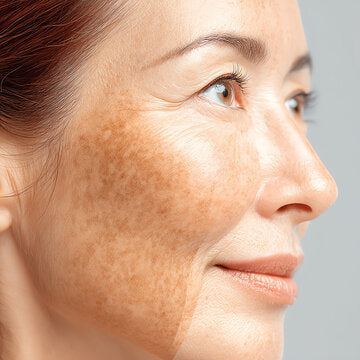
Vitamin C is a water-soluble antioxidant that does three jobs mature skin genuinely needs. It brightens by interrupting excess pigment production, which helps fade the sun spots and uneven patches that build up over decades. It neutralizes free radicals from UV light and pollution before they can damage skin cells. And it acts as an essential cofactor in your skin's own collagen synthesis.
According to the American Academy of Dermatology, antioxidants like vitamin C help protect skin from environmental stressors that accelerate visible aging. According to a widely cited review in the journal Nutrients, vitamin C is required for the enzymes that stabilize and cross-link collagen, which is why topical vitamin C is so closely tied to firmness.
Vitamin C is a proven brightening and antioxidant active with real collagen-supporting evidence. It is not a substitute for sunscreen. The two work as a team: vitamin C mops up the free radicals that sneak past SPF, and SPF blocks most of the UV in the first place. Used together each morning, they do far more than either does alone.
Vitamin C for aging skin during menopause
Menopause changes skin quickly, and vitamin C addresses several of those changes at once. As estrogen falls, so does collagen. Research summarized by the Menopause Society notes that women can lose a significant share of skin collagen in the first years after menopause, which shows up as thinner, less firm, less bouncy skin.
Lower estrogen also slows cell turnover and can leave tone looking dull and patchy. That's where vitamin C's brightening action earns its place. It won't reverse the hormonal shift, but it makes the surface look fresher and more even while supporting the collagen framework underneath.
| Menopausal skin change | How vitamin C helps |
|---|---|
| Collagen loss and reduced firmness | Acts as a cofactor for collagen synthesis |
| Dullness and uneven tone | Brightens and helps fade dark spots |
| Environmental stress and free radicals | Provides antioxidant defense |
| Cumulative sun damage | Boosts the protective effect of daily SPF |
If you want the fuller picture of what shifts during this stage, our guide to collagen and menopause explains why firmness changes and what supports it, and the low estrogen skin guide covers the tone and texture side in detail.
Encapsulated vs L-ascorbic acid: which form?
Not all vitamin C is the same molecule. The form on the label decides how strong, how stable, and how gentle a serum feels, which matters enormously for mature and reactive skin.
L-ascorbic acid is the pure, most-studied form of vitamin C. It is not always the most comfortable choice for sensitive, thinning skin, because at effective strengths it can sting, oxidize fast, and turn orange in the bottle. Encapsulated and derivative forms trade a little raw potency for far better tolerance and stability.
| Form | Character | Best for |
|---|---|---|
| L-ascorbic acid | Potent, fast-acting, less stable, can sting at high % | Resilient skin that tolerates strong actives |
| Encapsulated vitamin C | Gradual release, stable, gentle | Sensitive, mature, menopausal skin |
| Tetrahexyldecyl ascorbate | Oil-soluble, stable, non-irritating | Dry, dehydrated skin |
| Sodium ascorbyl phosphate | Water-soluble, mild, stable | Reactive skin easing into vitamin C |
Encapsulation wraps the active in a protective shell that releases it slowly into the skin, which cuts irritation and keeps the vitamin C working longer. That's why it suits midlife skin so well. Our ingredient journal on encapsulated vitamin C for sensitive aging skin breaks down exactly how that targeted delivery works and why it's kinder to a compromised barrier.
What percentage of vitamin C should you use?
More is not automatically better. According to research published in the Nutrients review, skin absorption of L-ascorbic acid plateaus around 20 percent, and higher concentrations tend to raise irritation without adding benefit. For mature skin, the sweet spot is usually lower than the maximum.
A serum in the 5 to 15 percent range gives real results with far less risk of stinging or redness. If your skin is dry, thinning, or easily provoked, start at the lower end and let it adjust. Gentler derivatives are often effective at these modest percentages precisely because they're better absorbed and less harsh.
- 5 to 10 percent: ideal starting range for sensitive or first-time users
- 10 to 15 percent: a comfortable daily strength for most mature skin
- 15 to 20 percent: only if your skin already tolerates strong actives well
The percentage on the front of the bottle matters less than the form, the formula's pH, and whether you actually use it every day. A gentle serum you apply consistently beats a strong one that sits in a drawer because it burns.
Best ingredients to pair with vitamin C
Vitamin C plays well with the ingredients mature skin relies on most. The old warnings about it clashing with niacinamide come from outdated, unstable formulas; modern serums pair the two comfortably.
Pair vitamin C with vitamin E and ferulic acid and you get a more stable, more effective antioxidant trio, a combination well documented in dermatology research for boosting daytime protection. Pair it with hyaluronic acid and you offset any dryness while keeping the surface plump. Pair it with sunscreen every single morning and you lock in the protective payoff.
| Pair with | Why it works |
|---|---|
| Vitamin E + ferulic acid | Stabilizes vitamin C and strengthens antioxidant defense |
| Hyaluronic acid | Adds hydration and cushions any potential dryness |
| Niacinamide | Calms, evens tone, and supports the barrier |
| Sunscreen (AM) | Multiplies protection against UV and free radicals |
| Retinol (PM) | Complementary firming, used at a separate time of day |
Retinol and vitamin C are both firming heroes, so many women use vitamin C in the morning and retinol at night to avoid piling too many actives on at once. If your barrier feels fragile, read our guide to repairing a damaged skin barrier before layering, and see what actually works in a night cream for the evening side of the routine.
How to use vitamin C serum over 50
The best vitamin C serum over 50 is only as good as the way you use it. The routine is simple and takes seconds.
- Cleanse and pat skin nearly dry.
- Apply a few drops of vitamin C serum to your face and neck in the morning.
- Let it absorb for a minute.
- Follow with moisturizer to seal in hydration.
- Finish with a broad-spectrum SPF 30 or higher, every day.
Start two or three mornings a week and build up as your skin adjusts. A little tingling can be normal at first, but genuine stinging or lasting redness means the concentration is too high or the formula too harsh, so drop to a gentler option. Store the bottle away from heat and light, and if the liquid turns deep amber or brown it has oxidized and lost potency.
Consistency is everything. According to guidance echoed across dermatology sources including the Menopause Society, daily antioxidant use combined with sun protection is one of the most reliable ways to care for changing skin. For a full framework, our ultimate menopause skincare guide shows where vitamin C fits alongside everything else.
How to choose the best vitamin C serum for mature skin
When you shop, look past the marketing and check a short list of things that actually predict results for midlife skin.
- Gentle, stable form: encapsulated vitamin C or a well-tolerated derivative for sensitive, thinning skin.
- Sensible strength: a 5 to 15 percent range that brightens without burning.
- Antioxidant partners: vitamin E and ferulic acid for added stability and defense.
- Barrier-friendly base: hydrating, fragrance-considerate formulas that respect a menopausal barrier.
- Protective packaging: opaque or amber bottles that shield the vitamin C from light.
Sum of All formulates for exactly this stage of life, pairing brightening actives with barrier-supporting botanicals. You can explore the full lineup on our shop all page or start at the Sum of All home page to see the philosophy behind skin-first, women-first formulation. The best vitamin C serum for mature skin is the one that fits your skin's tolerance, layers easily into your routine, and earns a spot on your bathroom shelf every morning.
Frequently asked questions
What does vitamin C do for mature skin?
Vitamin C works in three main ways for mature skin. It brightens by helping to fade dark spots and even out tone, it defends skin cells against free radical damage from UV and pollution, and it supports the skin's natural collagen production, which helps maintain firmness and bounce over time.
Which form of vitamin C is best for sensitive, mature skin?
Encapsulated vitamin C and gentler derivatives like sodium ascorbyl phosphate or tetrahexyldecyl ascorbate are often better tolerated by sensitive, mature skin than high-strength pure L-ascorbic acid. They release the active more gradually and tend to cause less stinging or redness while still delivering brightening and antioxidant benefits.
Can I use vitamin C during menopause?
Yes. As estrogen declines during menopause, skin loses collagen and can look duller and less even. A daily vitamin C serum is one of the most useful additions during this stage because it supports collagen, brightens tone, and adds antioxidant protection. Choose a gentle, well-formulated version and pair it with a good moisturizer.
Should I use vitamin C in the morning or at night?
Morning is the classic choice because vitamin C's antioxidant defense pairs well with daytime sun and pollution exposure, and it boosts the effectiveness of sunscreen applied over it. It also works at night. What matters most is consistent daily use and following with SPF every morning.
Can I use vitamin C with retinol and niacinamide?
Yes. A common, well-tolerated approach is vitamin C in the morning and retinol at night, so the two actives do their work at different times. Niacinamide pairs comfortably with vitamin C in modern formulas and can help calm and strengthen the skin barrier. Introduce one new active at a time and watch how your skin responds.
Read more
Sagging skin in midlife is the visible loss of firmness that happens when your skin's collagen and elastin decline, mostly driven by the drop in estrogen around menopause. It's normal, it's gradu...
Retinol for mature skin is a vitamin A derivative that speeds cell turnover, prompts collagen renewal, and softens fine lines and rough texture. After 50, it remains one of the most evidence-back...