






Skincare that meets your biology where it is.
Rooted in hormonal dermatology and powered by our proprietary AP² Longevity Platform, every formula is designed to support the evolving biology of skin through perimenopause, menopause, and beyond.
Menopause & Your Skin
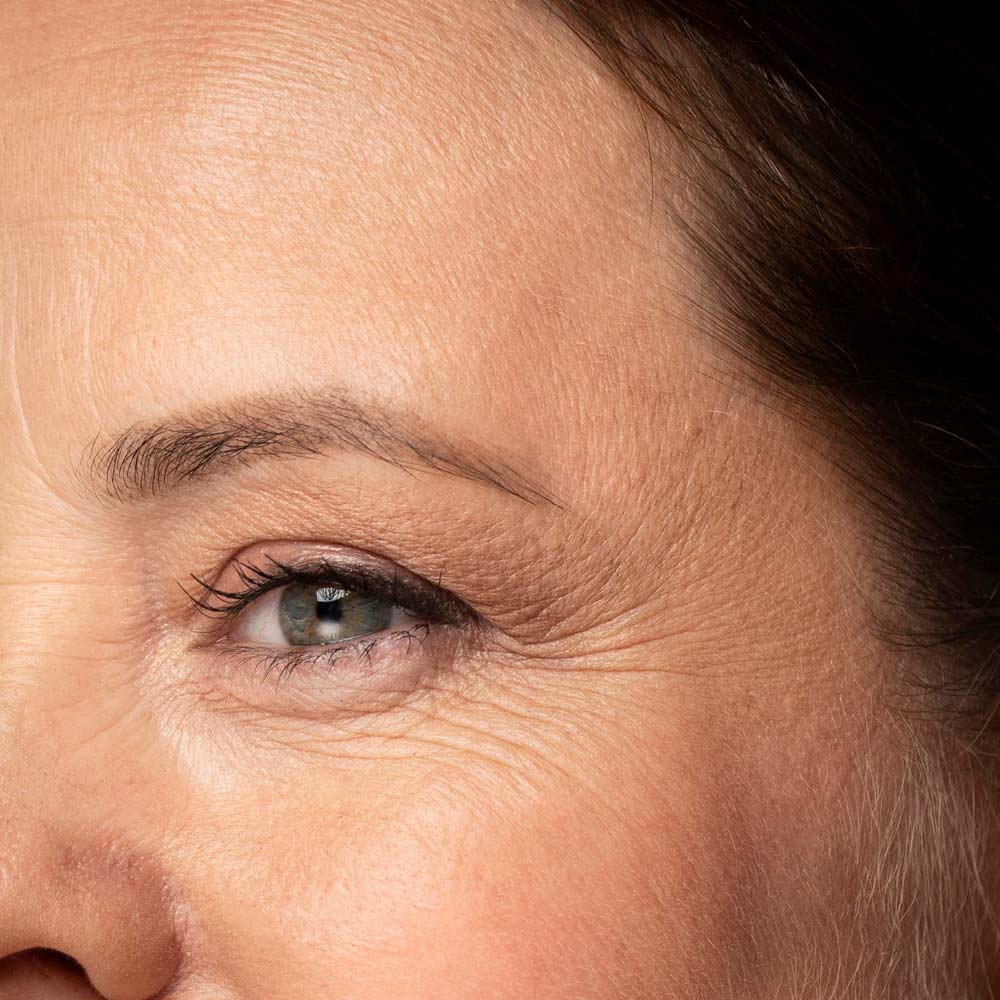
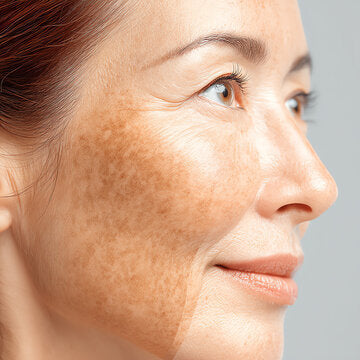
The changes you see in your skin during and after menopause are not superficial. They reflect a fundamental shift in how your skin functions.
As estrogen declines, the biological processes responsible for collagen production, hydration, barrier repair, and skin resilience begin to slow and lose efficiency. Over time, skin becomes thinner, drier, less firm, and slower to recover from environmental and internal stress.
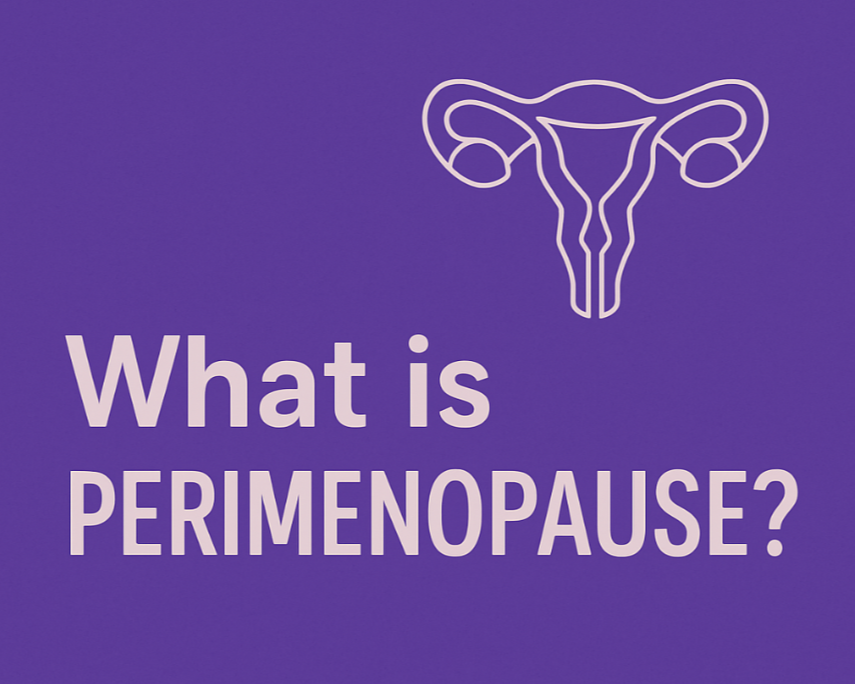
Perimenopause
typically 40's - early 50's
Estrogen: Fluctuating, declining
Estrogen levels become erratic, fluctuating unpredictably over time. Skin begins losing moisture more easily, barrier integrity weakens, and sensitivity increases. Collagen synthesis slows, though structural decline is not yet significant. This is the window to begin protective skincare.
Skin Priorities
--> Barrier support
--> Early collagen support
--> Hydration
--> Sensitivity management
Menopause
average age: 51
Estrogen: Sharply declined
Menopause officially begins 12 months after the final menstrual period. Estrogen has declined by 65–85% from peak levels, and collagen loss accelerates dramatically. This is when structural changes in the skin become most visible. Skin becomes thinner, less elastic, and slower to recover, while changes in firmness, hydration, and tone become increasingly pronounced.
Skin priorities
--> Collagen synthesis
--> Lipid barrier restoration
--> Inflammation
--> Structural support

Postmenopause
12+ Months after final period
Estrogen: Consistently low
Hormonal levels stabilize at a lower baseline. The acute phase of rapid change slows, but cumulative collagen and barrier loss continues over time. The focus shifts toward maintaining hydration, protecting against oxidative stress, and supporting long-term structural resilience.
Skin priorities
--> Oxidative stress defense
--> Long-term hydration
--> Structural maintenance
--> Barrier preservation
The Biological Functions Behind Healthy Skin Performance
Hormonal changes affect multiple biological functions responsible for hydration, renewal, structural support, and skin resilience. As these systems become less efficient over time, skin becomes less able to maintain moisture, recover from stress, preserve firmness, and maintain visible skin quality.
The direct link between hormonal decline and structural skin loss
Estrogen receptors are present throughout the skin and play an essential role in collagen production, hydration, and structural support. As estrogen declines, collagen synthesis slows, hyaluronic acid levels decrease, and skin becomes thinner, less firm, and less resilient over time. Post-menopause, women can lose approximately 30% of collagen within the first 5 years — roughly 2.1% per year. This is not gradual. Structural decline begins as early as perimenopause, when estrogen levels first begin to fluctuate.
Why skin becomes sensitive, reactive, and slower to recover
Estrogen helps maintain the skin barrier through two key functions: supporting ceramide production, which helps retain moisture, and filaggrin production, which strengthens the skin's protective barrier. As estrogen declines, these processes slow. The result is a compromised barrier that allows moisture to escape more easily while increasing sensitivity to environmental irritants and inflammation. This helps explain why previously resilient skin can become more reactive and less tolerant over time.
An accelerated aging pathway influenced by hormonal change
Estrogen plays an important role in the skin's antioxidant defense system, helping protect healthy collagen, elastin, and cellular structures from oxidative damage. Following menopause, this protective capacity declines, leaving skin more vulnerable to environmental stressors like UV exposure and pollution. Under oxidative stress, damaged molecules begin destabilizing surrounding healthy structures, accelerating collagen breakdown, loss of elasticity, inflammation, and visible signs of aging over time.
Inside the AP² Longevity Platform
A proprietary longevity system designed to support the biological functions responsible for skin resilience, recovery, and structural integrity over time.
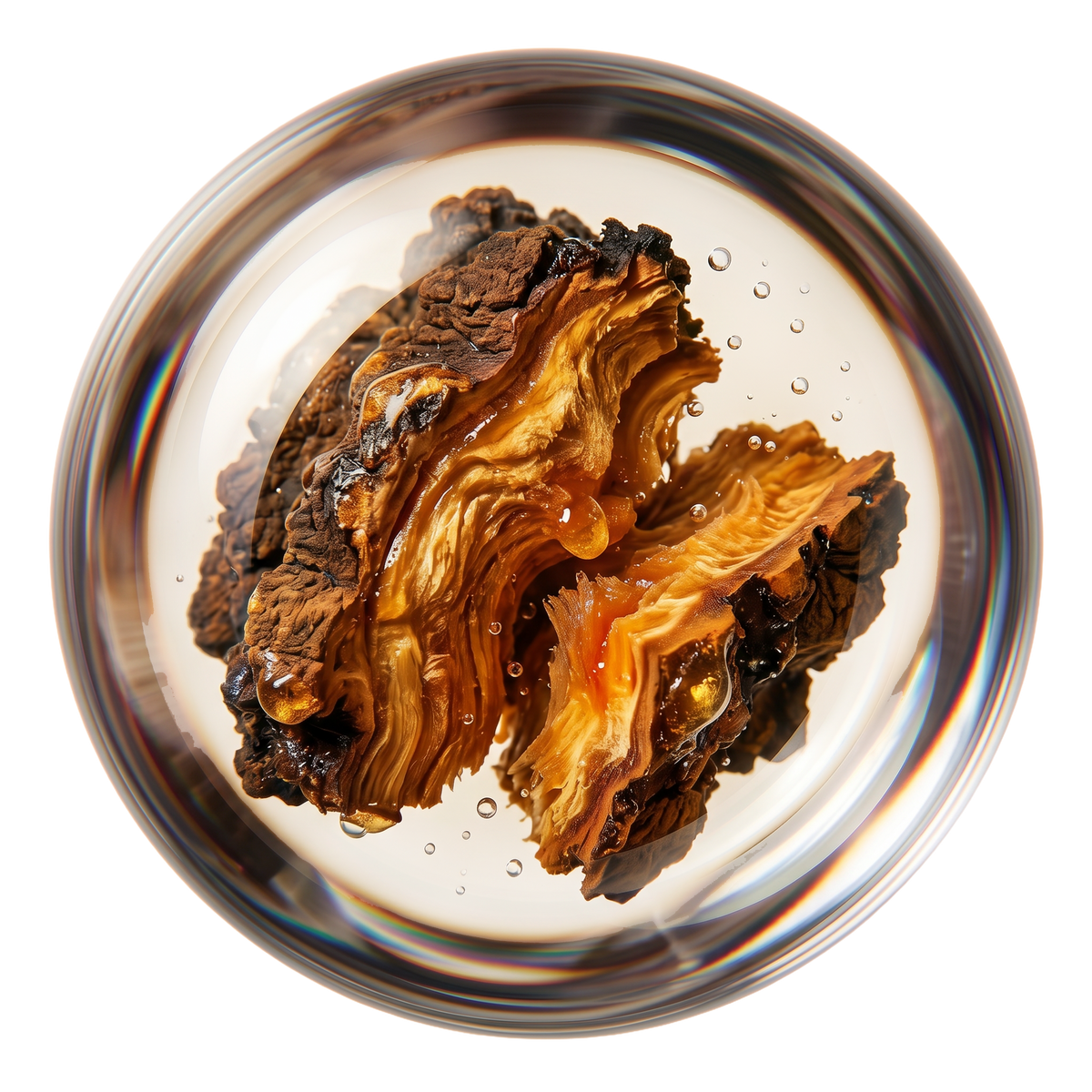 Adaptogens (A)
Adaptive Stress Signaling
Key: Chaga MushroomHow it works
Chaga-derived adaptogenic compounds help support the skin's defense system against oxidative stress. Oxidative stress occurs when unstable molecules called free radicals damage healthy skin cells, triggering a chain reaction that can weaken collagen, disrupt barrier function, and accelerate visible signs of aging.
Why it matters
Internal stress, pollution, UV exposure, and hormonal changes can increase oxidative stress in the skin over time. Supporting the skin's natural defense and recovery processes helps maintain resilience, comfort, and long-term skin vitality.
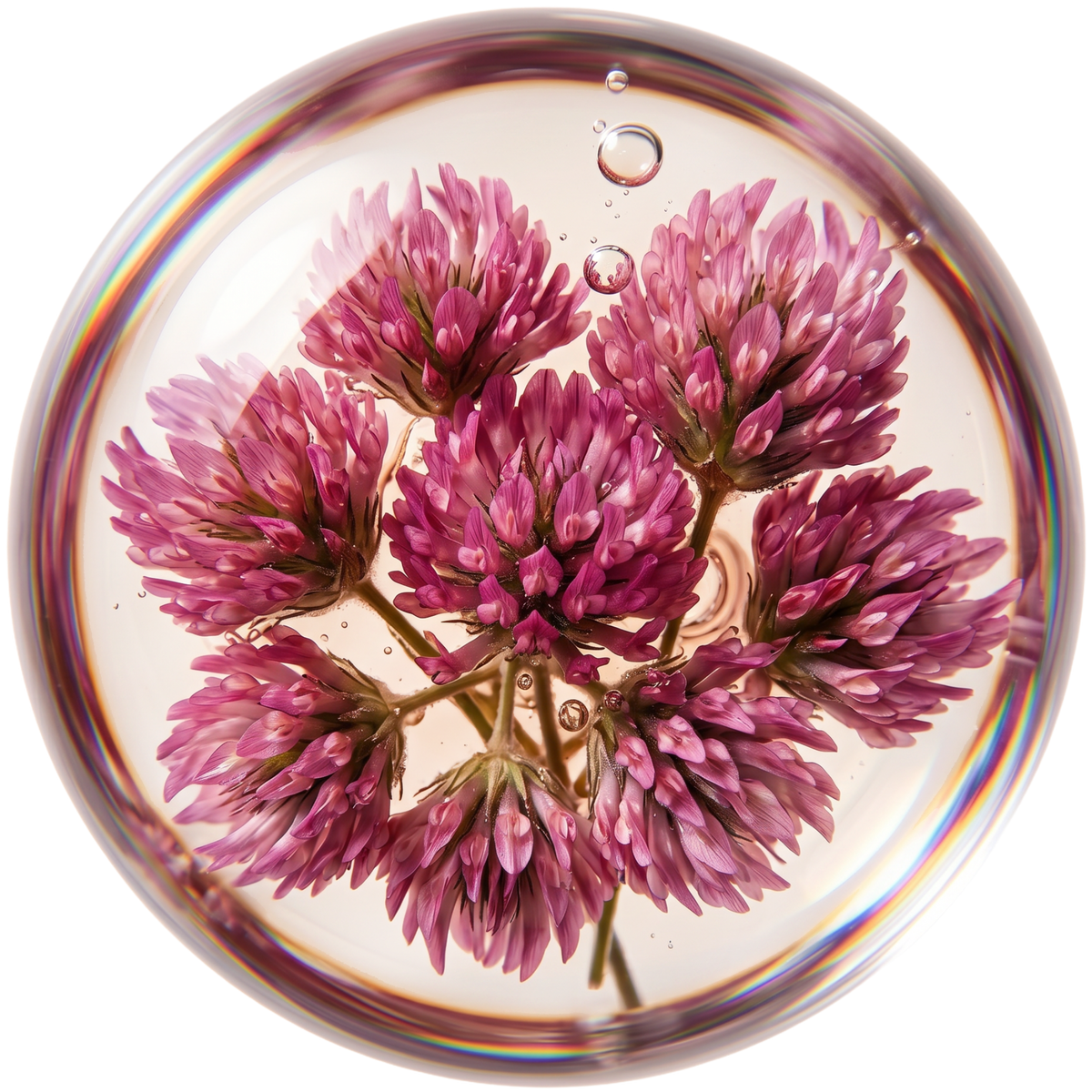 Phytoestrogens (P)
Estrogen Pathway Support
Key: Red CloverHow it works
Phytoestrogenic bioactives share structural similarities with estrogen and help support estrogen-responsive pathways involved in collagen production, hydration, elasticity, and skin renewal.
Why it matters
As estrogen declines, these signaling pathways become less active. Supporting them helps maintain the processes that skin relies on for structure, hydration, and renewal.
 Peptides (P²)
Structural Signaling Support
Key: Biomimetic Collagen PeptidesHow it works
Biomimetic collagen peptides help support the skin's structural communication network involved in collagen organization, firmness, and skin resilience. They help reinforce key pathways associated with epidermal cohesion, dermal structure, and extracellular matrix support.
Why it matters
As skin ages, the structural pathways that help maintain firmness, elasticity, and collagen organization become less efficient. Peptides help support these communication networks, helping skin maintain a firmer, more resilient appearance over time.
Every Ingredient, Explained
Every ingredient is selected for a specific biological purpose within the formula. Explore the science, skin function, and clinical relevance behind the actives, hydrators, peptides, botanicals, and support ingredients used throughout Sum Of All.
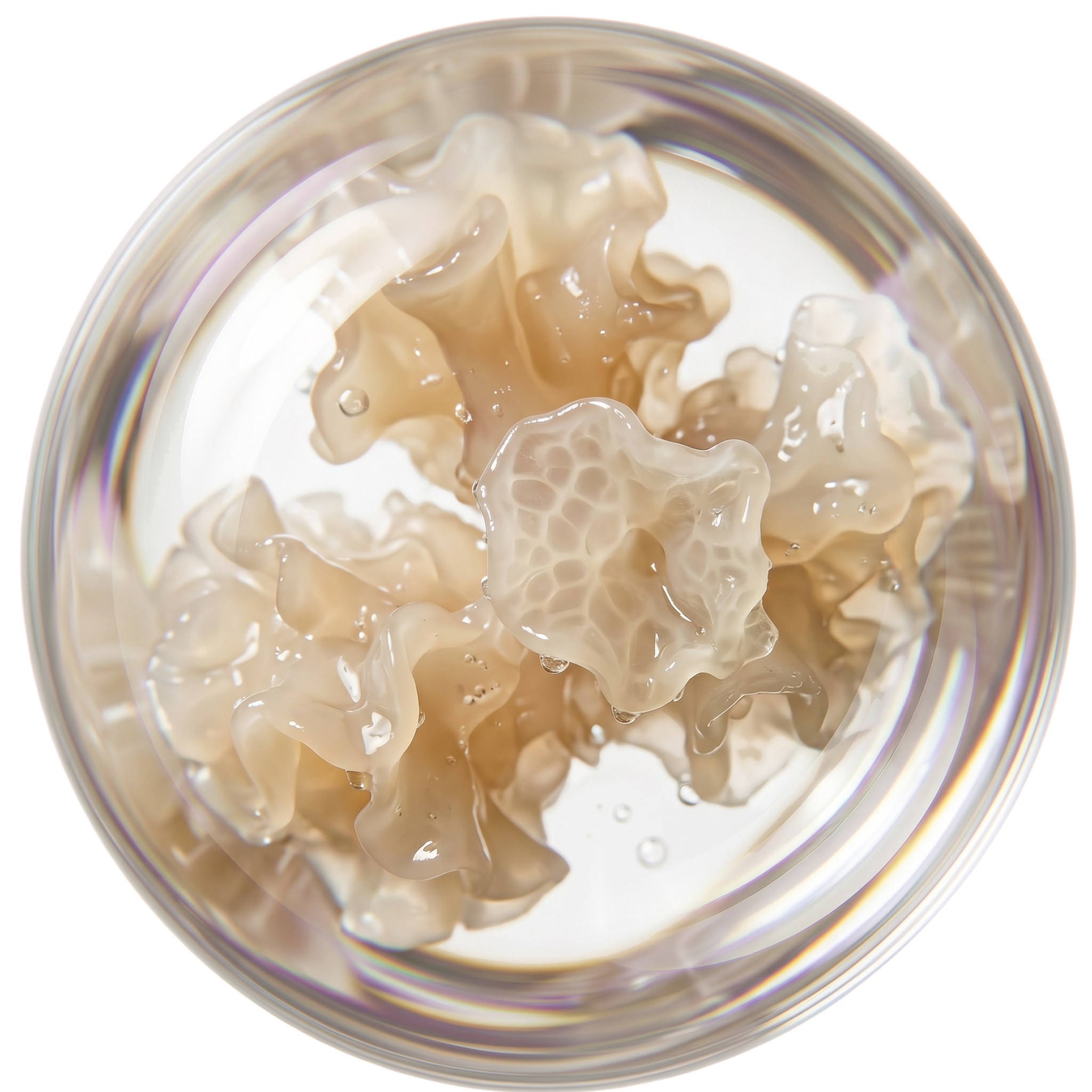 Nature's superior hydrator
Tremella Mushroom
Mechanism of Action
Tremella polysaccharides have a unique molecular structure that allows them to form a flexible, water-binding network on the skin. This helps attract and retain moisture, supporting sustained hydration both on the surface and within the upper layers of the skin.
Hormonal Connection
As estrogen declines, the skin's ability to regulate water balance becomes less efficient, in part due to changes in proteins involved in water transport. Tremella helps support hydration by enhancing water retention and maintaining moisture within the skin, helping offset these changes.
 Smart, UV-activated antioxidants
Encapsulated Vitamin C & E
Mechanism of Action
Vitamin C is inherently unstable and can degrade when exposed to air and light, reducing its effectiveness. Encapsulation helps protect the ingredient within a specialized delivery system, improving stability and enabling more controlled release on the skin. Ascorbyl glucoside is a stabilized form of Vitamin C that gradually converts to its active form once applied to the skin, supporting more consistent antioxidant activity over time. This system is designed to respond to environmental exposure. Under UV conditions, naturally generated reactive oxygen species interact with the capsule structure, accelerating the release of encapsulated antioxidants when skin is under oxidative stress. In the absence of UV exposure, the capsules gradually break down through natural enzymatic activity in the skin, supporting sustained delivery over time.
Hormonal Connection
As estrogen declines, skin becomes more prone to uneven tone and visible pigmentation changes. Vitamin C helps support a more even-looking complexion by inhibiting tyrosinase, the enzyme involved in excess melanin production. It also supports collagen-related processes, contributing to improved skin firmness and overall skin quality over time.
 Barrier defense from the sea
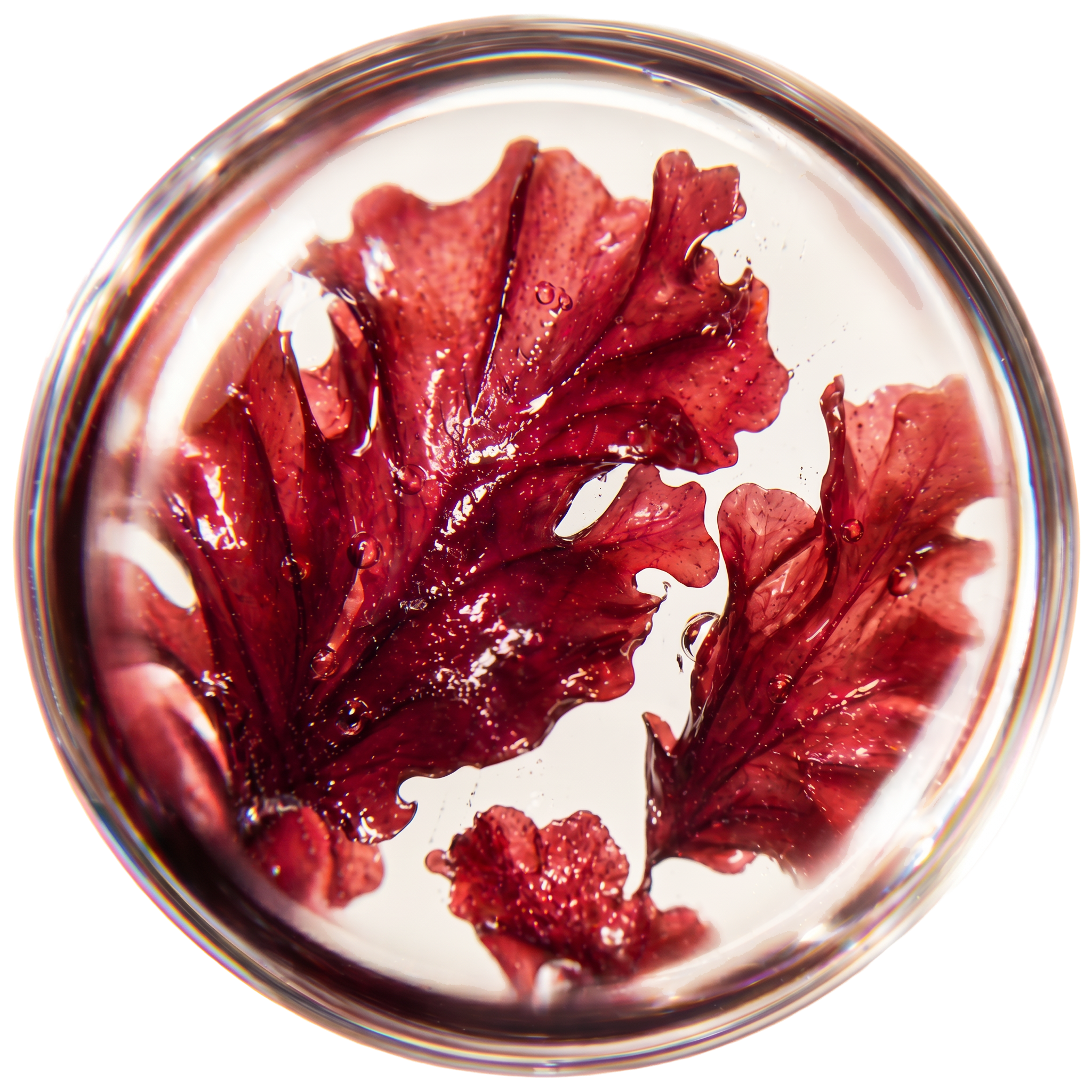
Red Algae Extract
Mechanism of Action
Red algae produce extracellular polysaccharides (EPS) as a natural defense against environmental stressors such as UV exposure and oxidative conditions in marine environments. On skin, these polysaccharides form a breathable, protective film that helps reduce moisture loss and support barrier function. They also provide antioxidant support, helping to defend against environmental stress that can contribute to collagen breakdown and visible skin damage.
Hormonal Connection
As estrogen fluctuates and declines, skin becomes more prone to inflammation, sensitivity, and slower barrier recovery. Red algae polysaccharides help support the skin's natural defense systems, calming visible signs of irritation and reinforcing barrier resilience.
 Hydration & barrier support
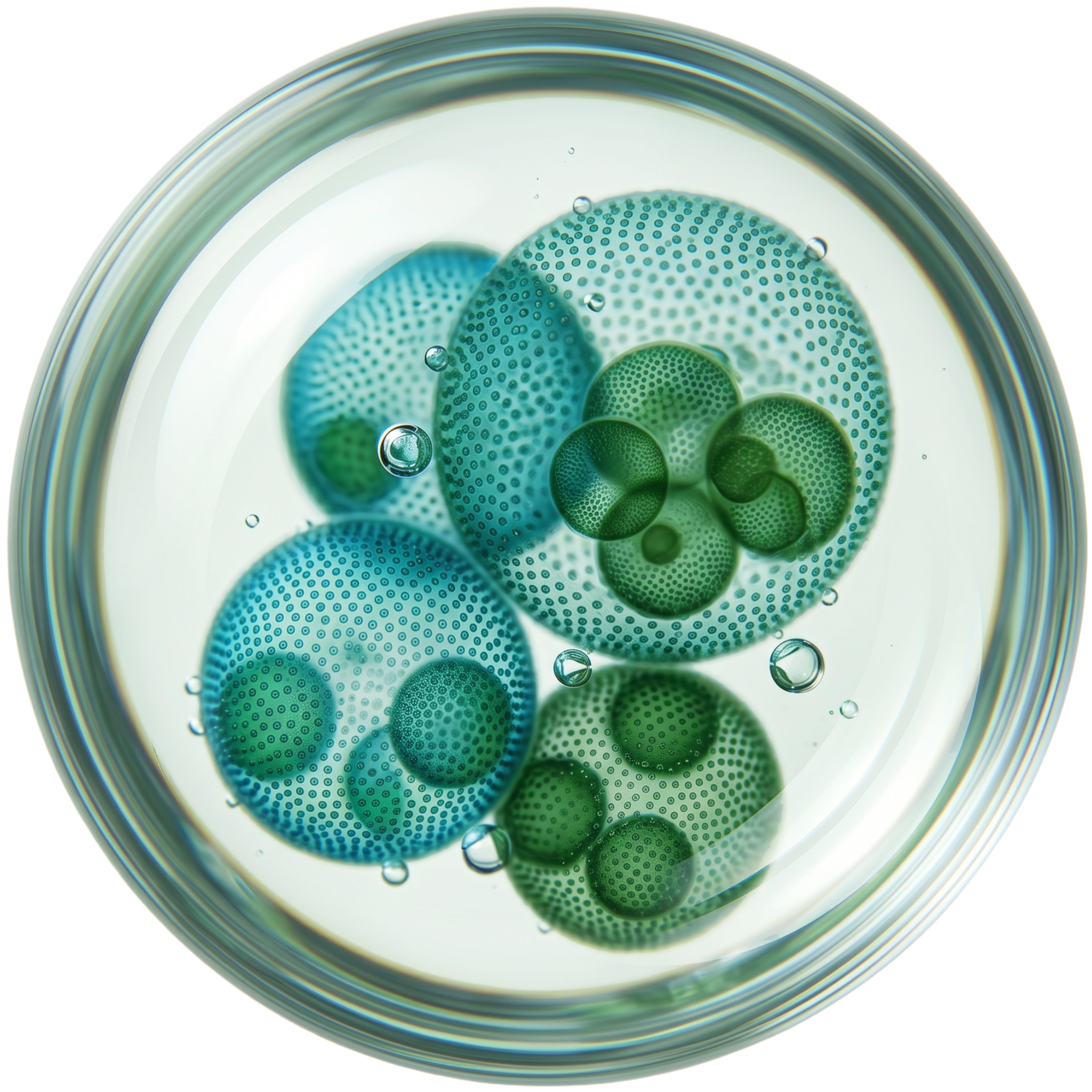
Blue-Green Algae Hydration Complex
Mechanism of Action
Derived from a rare blue-green algae, this high molecular weight polysaccharide forms a flexible, breathable network on the skin's surface. It binds significant amounts of water while helping reduce trans-epidermal water loss, creating a sustained hydration environment. This film-forming structure also helps protect against external irritants, supporting barrier integrity and reducing visible sensitivity.
Hormonal Connection
As estrogen declines, the skin's ability to retain moisture and maintain barrier strength is compromised, leading to increased dryness, sensitivity, and reactivity. This blue-green algae–derived polysaccharide helps reinforce the skin's barrier and improve hydration retention, supporting greater resilience and comfort during periods of hormonal change.
The Science of Synergy
Most skincare is formulated by combining individual ingredients to target isolated concerns.
But skin does not function in isolated pathways. Hydration, barrier function, collagen integrity, hormonal signaling, and stress response are continuously influencing one another.
Each Sum Of All formula is designed as a multi-pathway system, where ingredients are selected not only for their individual benefits, but for how they work together to support skin function as a whole.
By supporting these interconnected processes simultaneously, formulas can help improve firmness, hydration, resilience, and overall skin quality over time, helping skin achieve a more "Optimal Skinstate."
The sections below explore how our formulas support multiple functional pathways simultaneously, helping ingredients work together in more coordinated and biologically effective ways.

1. Hydration & Barrier Strength
Hydration and barrier function are deeply interconnected. When the barrier weakens, skin loses its ability to retain moisture effectively. Our formulas combine high-performance hydrators with lipid replenishment to support lasting hydration, barrier strength, and overall skin comfort.

2. Renewal Efficiency
Estrogen-related signaling plays a critical role in maintaining collagen, hydration, and skin quality. As these pathways decline, structural renewal slows. Our formulas are designed to support hormonal pathways while reinforcing the structural signaling involved in skin renewal, elasticity, and resilience.

3. Tone & Texture
Skin tone and texture are influenced not only by renewal processes, but also by exposure to oxidative and environmental stress. By combining antioxidant defense with gentle resurfacing support, formulas help improve visible smoothness, radiance, and overall skin clarity while supporting long-term skin resilience.

4. Firmness & Density
Skin firmness depends on continuous structural signaling involved in collagen organization and support. Our formulas are designed to reinforce these pathways while helping preserve collagen integrity, elasticity, and long-term skin resilience.

OBGYN Approved
Hormonal dermatology isn’t niche. It’s necessary. We collaborate with dermatologists, OBGYNs, and clinical researchers to ensure our products work in harmony with your biology, not just your surface concerns. No gimmicks. No empty claims. Just hormone-conscious skincare that’s thoughtfully designed and rigorously tested to target the visible effects on skin.
I have been absolutely thrilled with the product and the results... I would recommend Sum Of All without reservation for women who want RESULTS from their skincare regimen.

Dr. Jennifer L. Anderson, MD