



How Hormonal Changes During Menopause Affect Your Skin
If your skin suddenly feels unfamiliar — drier, more sensitive, less resilient — you’re not imagining it. For many women, changes in skin are one of the earliest and most frustrating signs of perimenopause and menopause.
What’s often missing from the conversation is why these changes happen. The answer lies in hormones — particularly estrogen — and the role they play far beyond reproduction.
Understanding how hormonal changes during menopause affect your skin is the first step toward caring for it intelligently, rather than fighting it.
The Connection Between Hormones and Skin Health
Hormones act as messengers throughout the body, influencing everything from mood and metabolism to bone density and skin function. Estrogen, in particular, plays a critical role in maintaining healthy skin.
When estrogen levels are stable, skin tends to be:
- Better hydrated
- More elastic
- More resilient
- Faster to repair itself
During perimenopause and menopause, estrogen levels begin to fluctuate and eventually decline. These shifts directly affect how skin behaves — and how it responds to products and routines that may have worked for years.
What Happens to Estrogen During Menopause?
Estrogen doesn’t disappear overnight. During perimenopause, levels rise and fall unpredictably. This hormonal volatility can trigger sudden skin changes, even while periods are still occurring.
Once menopause is reached — defined as 12 consecutive months without a menstrual period — estrogen levels remain consistently lower. This long-term decline is what drives many of the structural and functional skin changes women notice in midlife.
For a broader overview of menopause stages and symptoms, you can explore our guide to menopause explained.
How Declining Estrogen Affects the Skin
Reduced Skin Hydration
Estrogen supports the skin’s ability to retain moisture. As levels decline, natural oil production decreases, the skin barrier becomes less efficient, and water loss increases. This is why dryness is one of the most common menopause skin changes — even for women who never struggled with dry skin before.
Changes in Skin Thickness and Elasticity
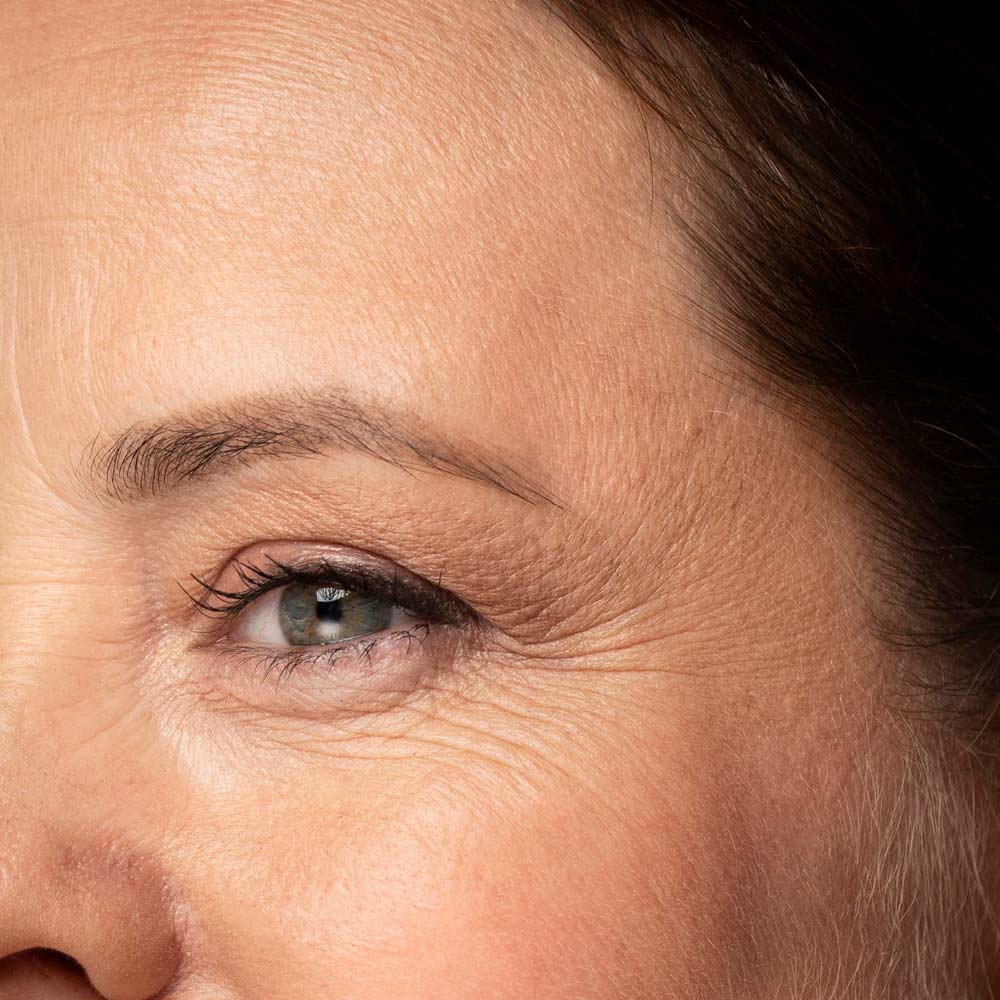
Estrogen plays a role in collagen production and skin density. With lower levels, skin may become thinner, fine lines can appear more quickly, and skin often feels less firm or resilient.
This isn’t about aging faster — it’s about the skin losing hormonal support it once relied on.
Increased Sensitivity and Reactivity
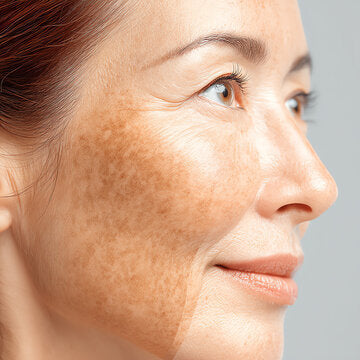
Many women notice that products they’ve used for years suddenly cause irritation. Hormonal changes can weaken the skin barrier, making it more vulnerable to environmental stressors and previously tolerated ingredients.
Slower Skin Repair and Recovery
Estrogen supports cellular turnover and repair. As levels drop, skin may recover more slowly from stress or inflammation, and texture can appear uneven or dull.
This is one reason traditional “anti-aging” approaches often stop delivering results during menopause — they don’t address the underlying hormonal shift.
Why Menopausal Skin Needs a Different Approach
Menopausal skin isn’t “problem skin.” It’s hormonally changing skin.
Instead of aggressive correction or hero ingredients, menopausal skin often responds best to:
- Barrier support
- Intelligent hydration
- Multi-pathway formulas that work with the skin, not against it
This shift is less about reversing time and more about restoring balance and function.
Perimenopause vs. Menopause: Why Timing Matters
Skin changes can begin years before menopause is officially diagnosed. During perimenopause, hormonal fluctuations can cause unpredictable shifts — dryness one month, sensitivity or breakouts the next.
Understanding where you are in the menopause transition helps explain why skin may feel inconsistent — and why flexibility in care matters.
Supporting Skin Through Hormonal Change
While hormonal changes are inevitable, how skin experiences them isn’t fixed.
Thoughtful skincare, lifestyle support, and medical guidance when needed can help maintain comfort, resilience, and confidence as the body adapts.
If dryness is your primary concern, we explore this further in Why Your Skin Feels Suddenly Dry During Menopause.
Frequently Asked Questions About Menopause and Skin
How do hormonal changes during menopause affect the skin?
Hormonal changes during menopause — especially declining estrogen — can reduce skin hydration, elasticity, and barrier function. This often leads to dryness, sensitivity, changes in texture, and slower skin repair.
Why does skin become drier during menopause?
Estrogen helps the skin retain moisture and support natural oil production. As estrogen levels decline during perimenopause and menopause, the skin loses moisture more easily, making dryness a common concern.
Can perimenopause affect your skin?
Yes. Skin changes often begin during perimenopause, when hormone levels fluctuate unpredictably. Many women notice dryness, sensitivity, or breakouts years before menopause is officially reached.
Does menopausal skin need different skincare?
Menopausal skin often benefits from a different approach focused on barrier support, hydration, and overall skin function rather than aggressive “anti-aging” treatments.
What This Understanding Makes Possible
When you understand how hormonal changes during menopause affect your skin, the experience becomes less frustrating — and more navigable.
Skin changes are not a failure of discipline or routine. They’re a biological response to a new internal environment.
At SUM OF ALL, we believe knowledge creates agency. And when women are given clear, intelligent information, they can make choices that support their skin — and themselves — through every stage of life.
Read more

Menopause isn’t something that happens all at once. For most women, menopause symptoms begin gradually during perimenopause, often years before the final menstrual period. Sleep feels different. Sk...
Skin barrier repair is the process of restoring your skin's outermost protective layer — the stratum corneum — after it's been weakened by environmental stress, hormonal changes, or over-exfoliat...