





Understanding Menopause:
What’s Happening to Your Skin and How to Support It
Menopause is the point at which estrogen shifts from fluctuating to consistently low — and your skin enters a new, sustained phase of change. Here's what that means, and what your skin actually needs now.
What Is Menopause?
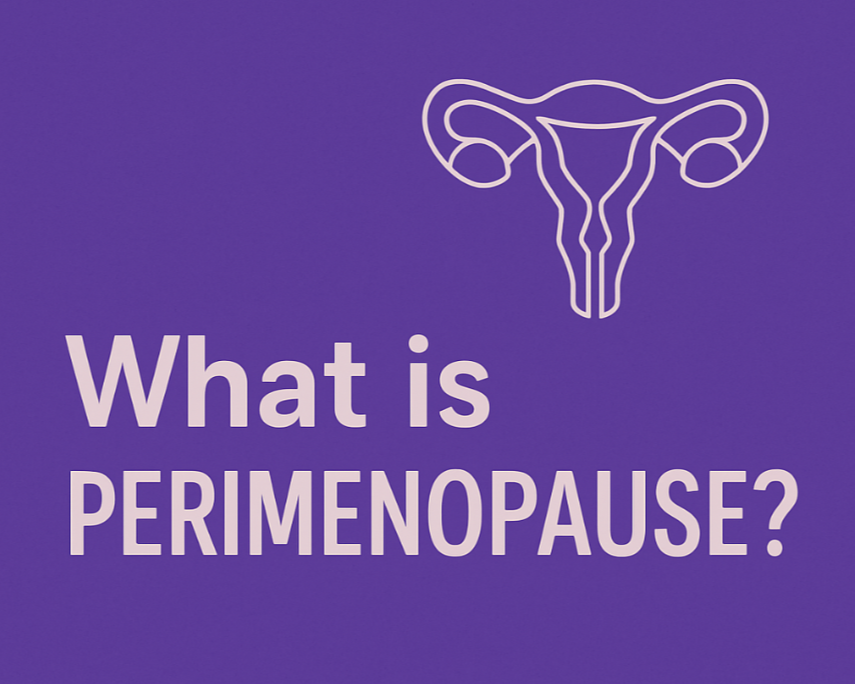
Menopause is defined as the moment 12 consecutive months after your last menstrual period. It typically occurs around age 51, and marks the permanent end of your ovaries' estrogen production. Unlike perimenopause — when hormones fluctuate unpredictably — menopause transitions the body into a state of consistently low estrogen. This sustained shift changes how your skin functions at every level: hydration, collagen, barrier integrity, and cell renewal all respond to a new hormonal baseline.
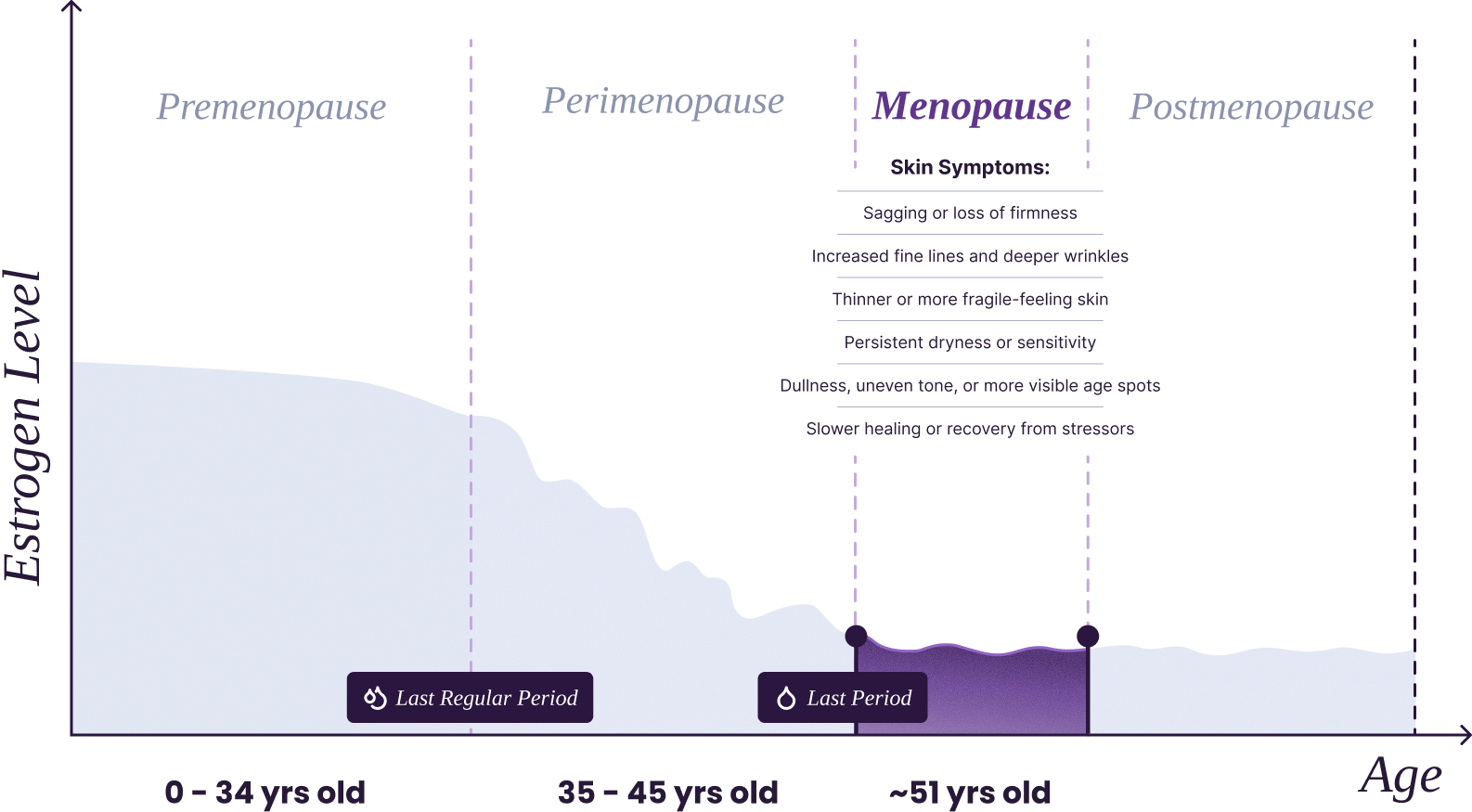
The transition from perimenopause to menopause is often invisible — there's no announcement, only the retrospective realisation that twelve months have passed without a period. But biologically, it represents a significant threshold. Skin that was responding to hormonal variability must now adapt to a new, consistently lower baseline. Understanding this shift is the first step to supporting it.
How Menopause Affects Your Skin
As estrogen moves into sustained decline, the skin systems that depend on hormonal signalling start to change in consistent, progressive ways.
What you might notice:

Persistent Dryness & Dehydration
Declining estrogen reduces hyaluronic acid synthesis and sebum production, creating dryness that is consistent rather than intermittent — as it was during perimenopause.

Accelerated Collagen Loss
Research shows up to 30% of skin collagen can be lost in the first five years after menopause. Skin may begin to feel noticeably thinner and less resilient.

Thinning & Loss of Firmness
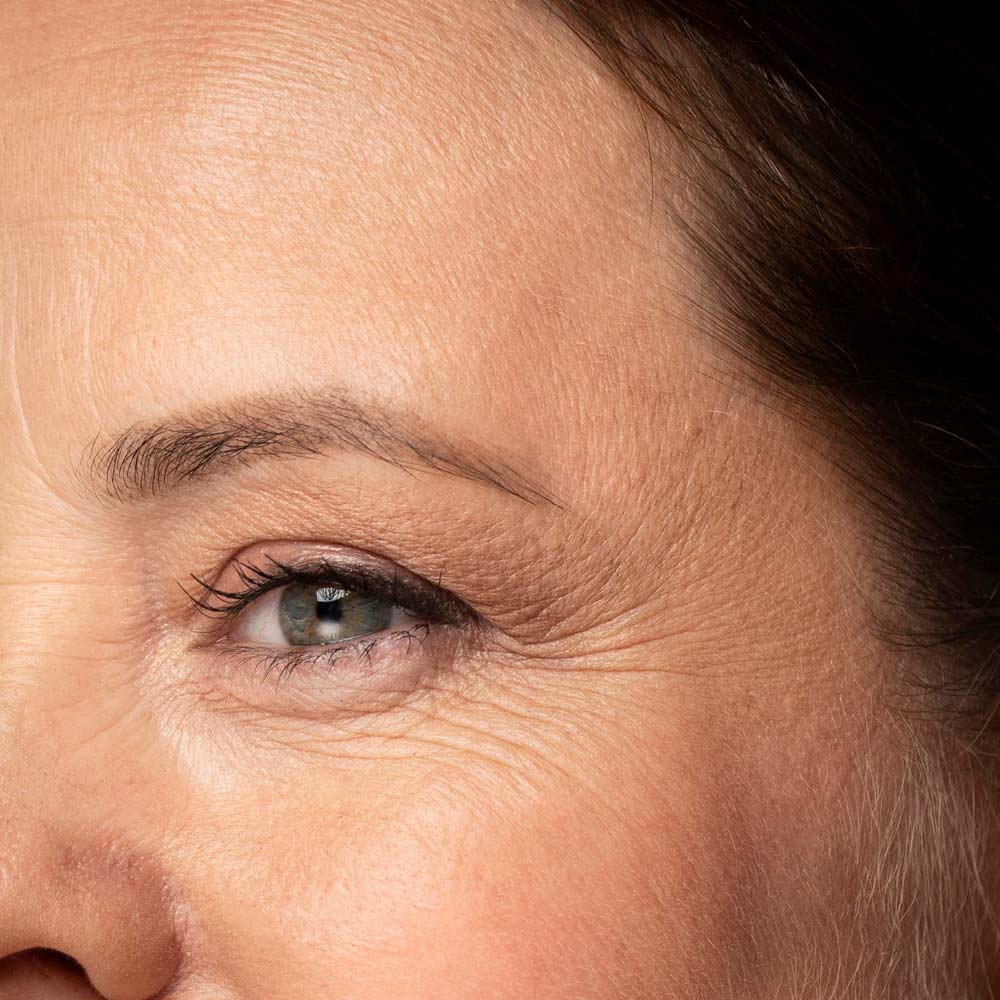
The dermis becomes thinner and less dense as collagen and elastin fibres weaken. Skin may feel looser along the jawline, neck, and around the eyes.

Dullness & Pigmentation Changes
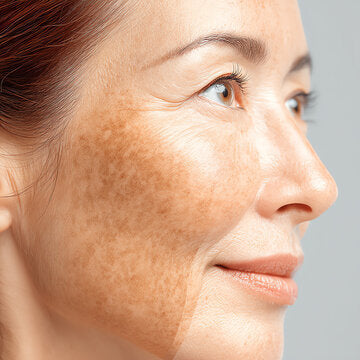
Slower cell turnover leads to a build-up of older cells on the surface. Pigmentation that appeared during perimenopause may become more defined.
Understanding these shifts helps explain why your old routine may no longer work, and why hormone-conscious care can make all the difference.

What Your Skin Needs Now
Menopause doesn't call for more of the same — it calls for a different approach. Your skin is now operating at a consistently lower hormonal baseline, and skincare that worked during perimenopause may no longer be enough.
- Deep hydration to address sustained moisture loss as both hyaluronic acid and sebum production decline
- Collagen-supporting actives to offset accelerated structural decline and help maintain skin density
- Barrier reinforcement to manage chronic sensitivity and prevent transepidermal water loss
- Renewal-boosting ingredients to restore radiance and even tone as cell turnover slows
- Hormone-conscious actives to work with your skin's new baseline — not against it

Our Science-Led Solution
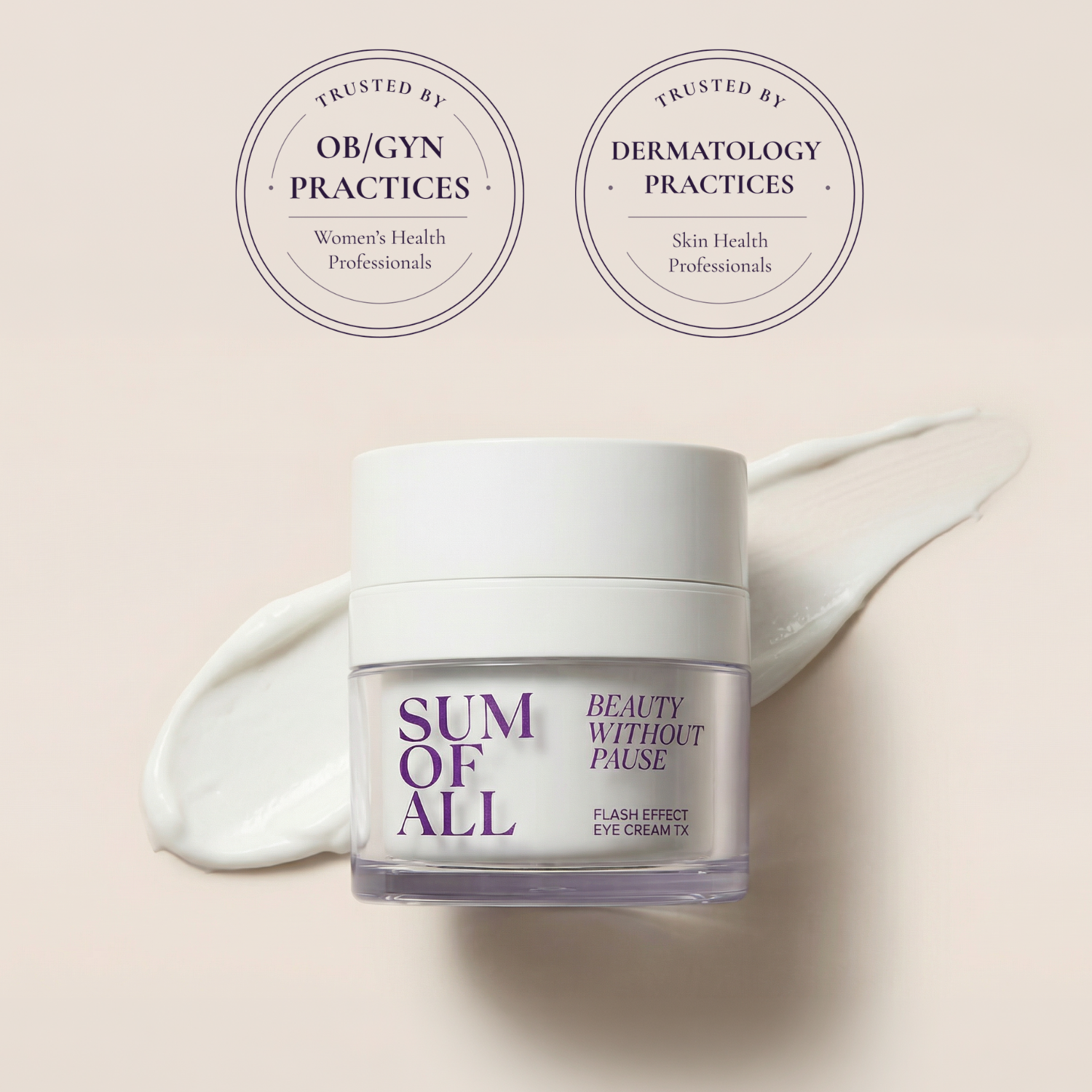
All Sum Of All formulas are powered by our proprietary AP² Complex, a blend of peptides, adaptogens, and phytoestrogens designed to support the visible changes of hormonal skin.
In menopause, our formulas help:
- Replenish collagen support and rebuild skin density
- Restore deep hydration and strengthen the barrier
- Improve skin tone, radiance, and surface texture
- Promote smoother, more resilient skin
Clinically tested.
OB-GYN trusted. Built for what your skin is going through right now.
Start with formulas that support skin through early hormonal shifts:

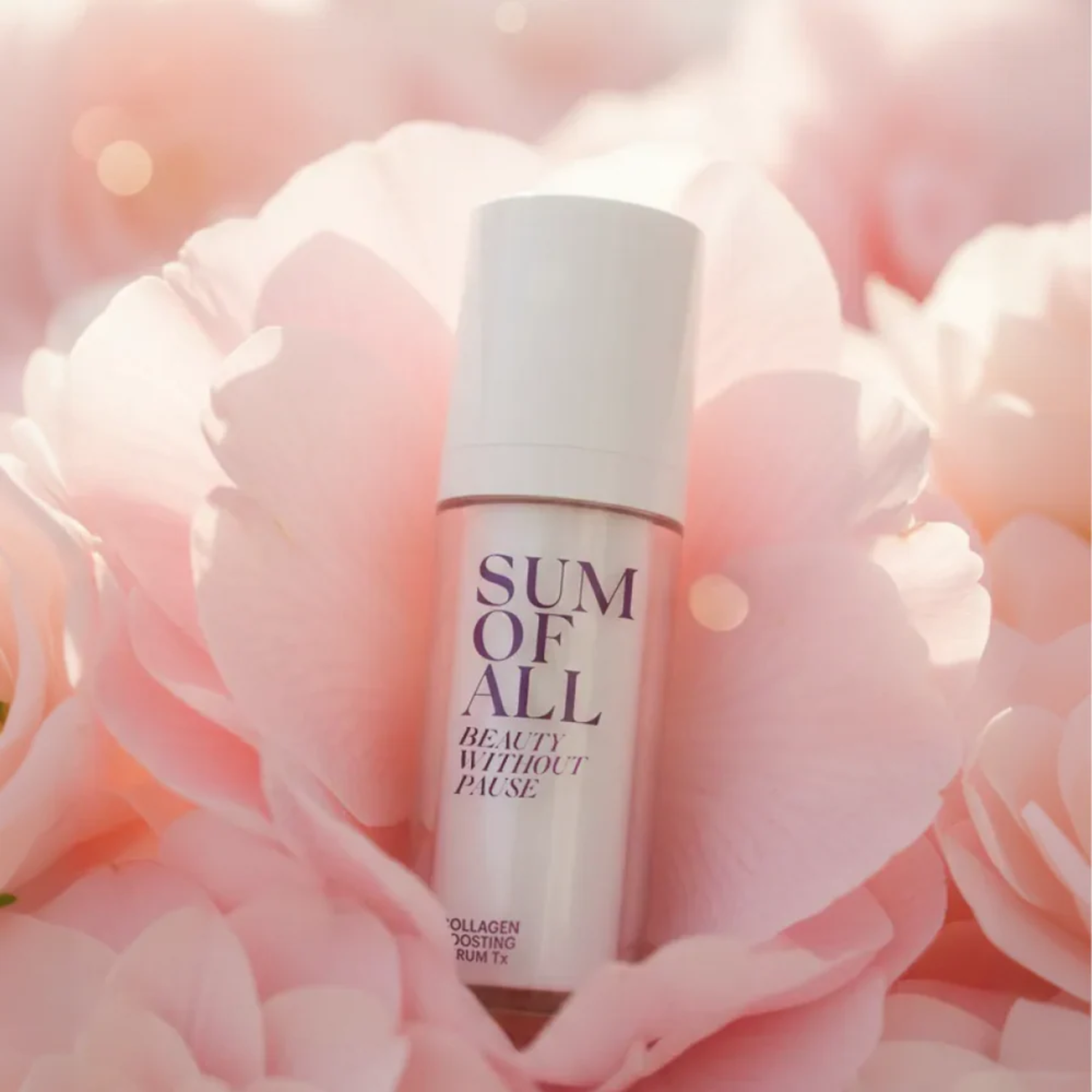
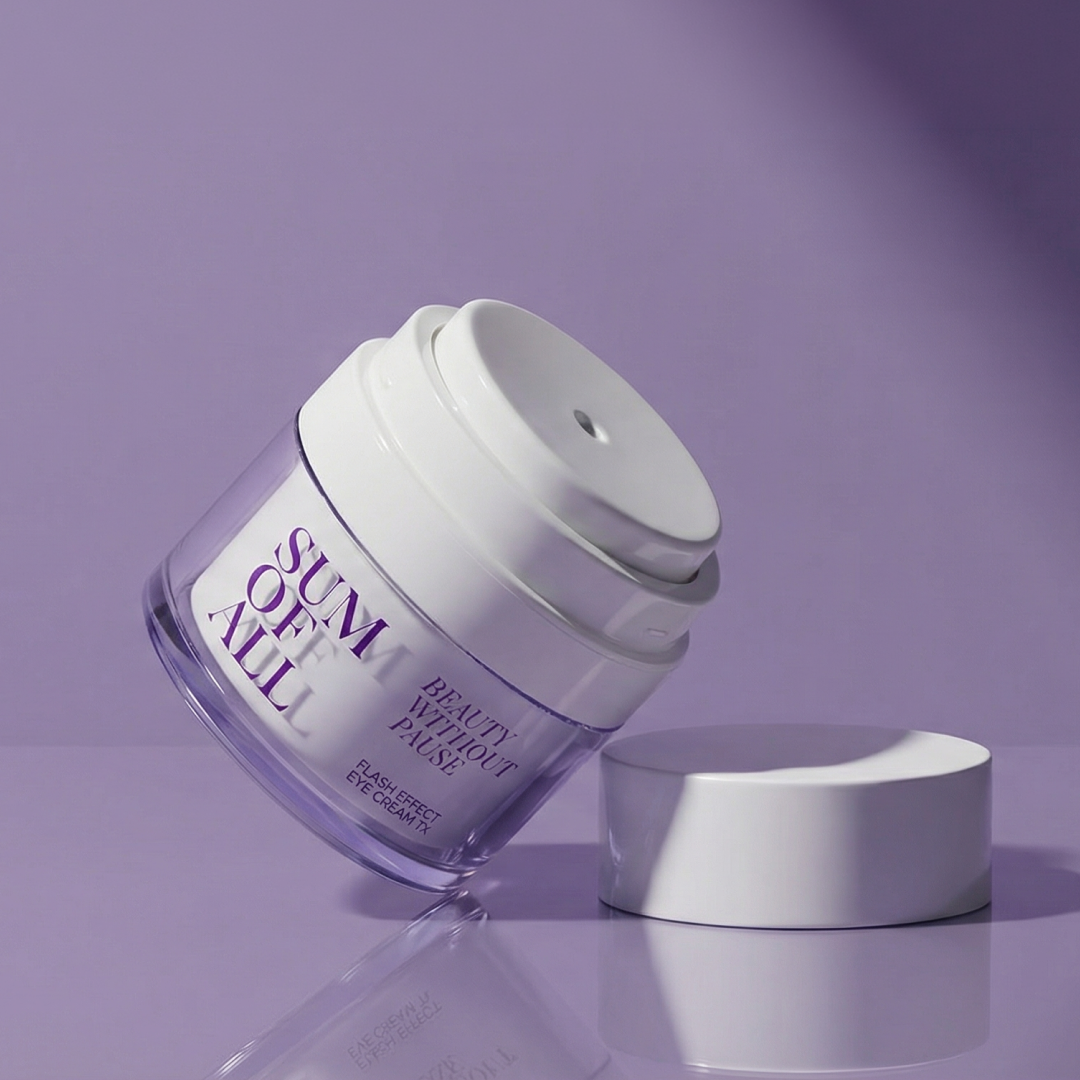
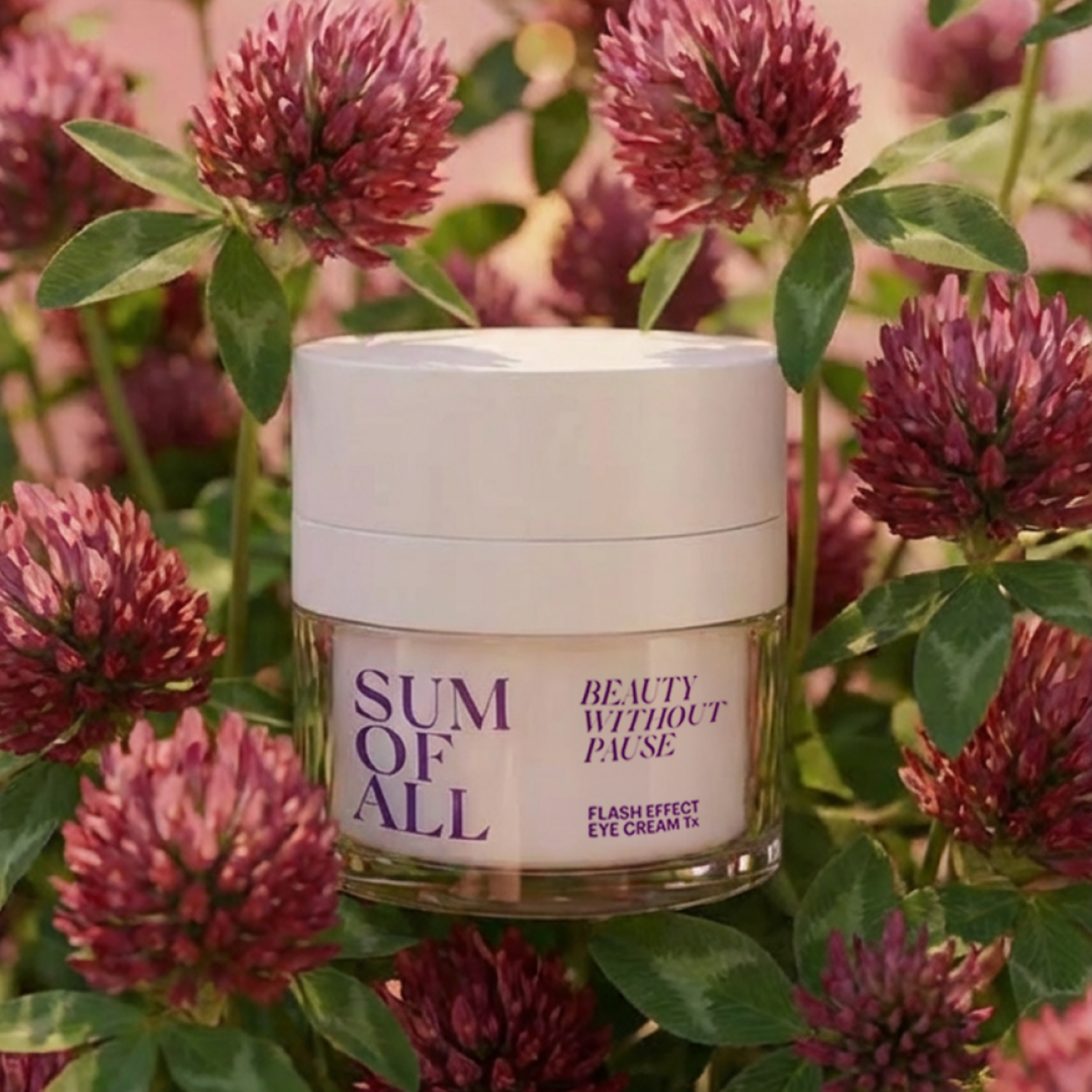

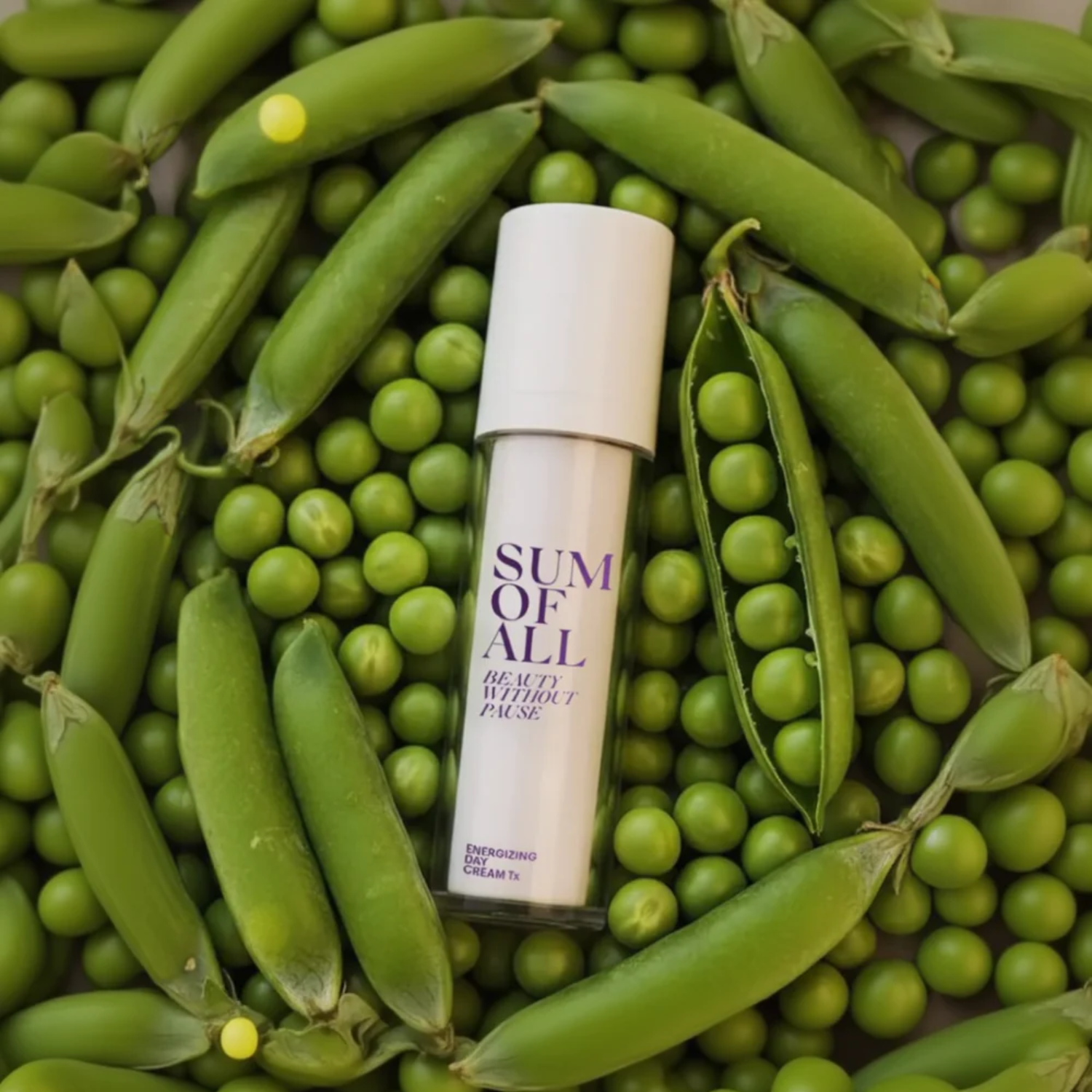

This is not the end of youth. This is the start of something new. We’re here to help you navigate it—with care, clarity, and clinical integrity

Dr. Jennifer L. Anderson, MD