







Night Cream for Aging Skin: What Actually Works

Night cream for aging skin is a targeted overnight treatment that replenishes moisture, supports collagen production, and works with your body's natural repair cycle while you sleep. It is not the same as a regular daytime moisturizer — and understanding that difference is the key to getting real results from your evening routine.
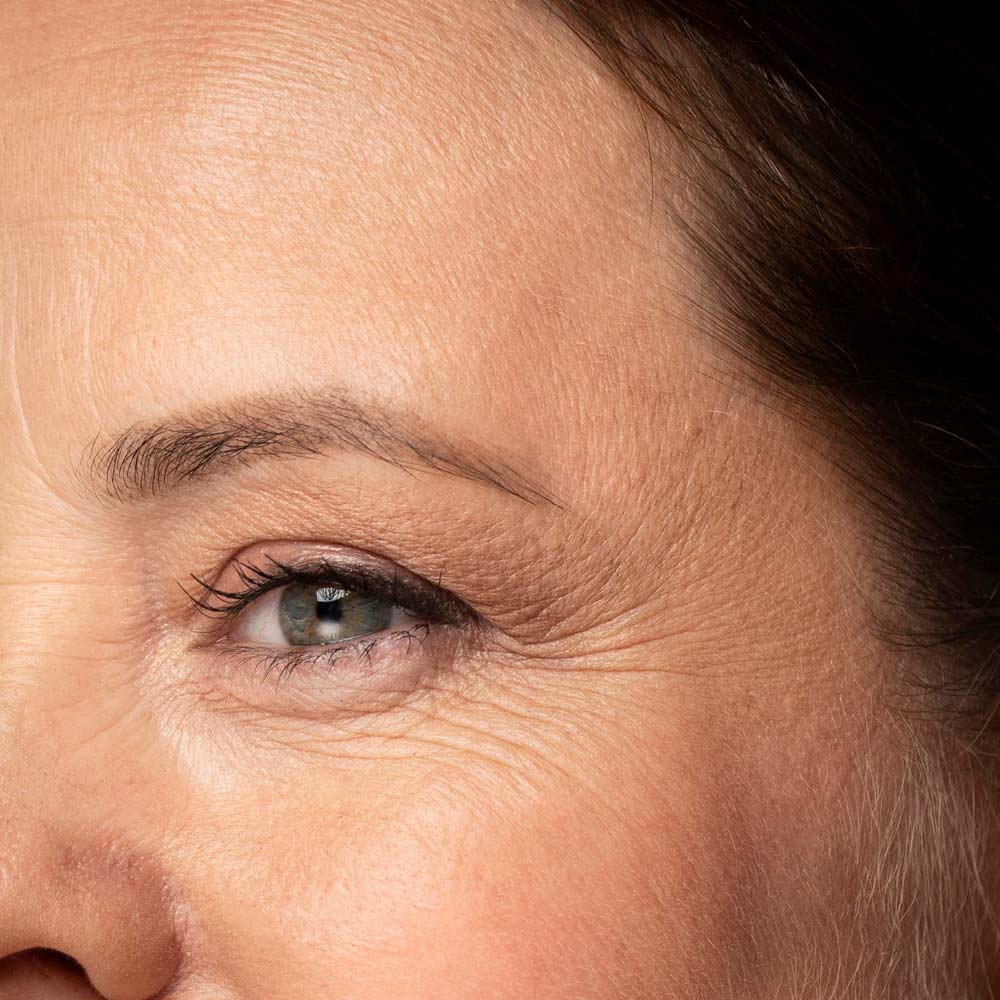
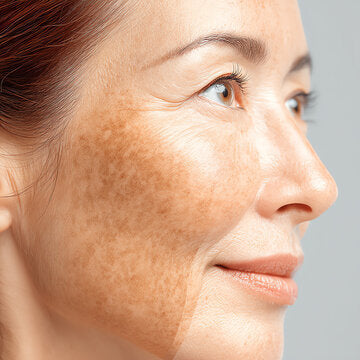
If you're in your 40s, 50s, or beyond, your skin is dealing with a very specific set of changes. Collagen drops. Moisture evaporates faster. Cell turnover slows to a crawl. And if menopause is part of the picture, declining estrogen accelerates all of it. A good night cream addresses these shifts directly — not with marketing promises, but with ingredients that actually do something.
This guide breaks down the science, the ingredients, and the mistakes most people make so you can choose a night cream that genuinely works for your skin.
Why Night Cream Is Essential for Aging Skin
Night cream for aging skin is essential because skin loses collagen, moisture, and elasticity at an accelerated rate after 40 — and nighttime is when your body is best equipped to repair that damage. Skipping this step means missing the most productive window for skin renewal.
Here's what's happening beneath the surface. After menopause, skin loses roughly 30% of its collagen in the first five years, according to research published in the American Journal of Clinical Dermatology. That's not a slow fade — it's a sharp drop. Transepidermal water loss increases. The lipid barrier thins. Skin that once bounced back overnight starts looking dull and creased by morning.
A standard moisturizer is fine for basic hydration. But it is not formulated to address the deeper structural changes that come with hormonal shifts. Night creams designed for mature skin contain higher concentrations of active ingredients — peptides, ceramides, phytoestrogens — that would be too heavy or photosensitive for daytime use.
Winter makes this even more urgent. Cold air holds less humidity, and heated indoor environments strip moisture from skin around the clock. During the longer winter nights of January and February, your body has more time in deep repair mode. Using a richer, more occlusive night cream during these months gives your skin the raw materials it needs to take full advantage of that recovery window.
The 7 Visible Shifts of Menopause — from loss of firmness to increased sensitivity — don't respond to lightweight, one-size-fits-all products. They respond to targeted, hormone-conscious skincare applied when your skin is primed to receive it.
How Overnight Repair Works While You Sleep
Overnight skin repair is a biological process driven by circadian rhythms, growth hormone release, and increased blood flow to the skin during sleep. Your skin doesn't just "rest" at night — it actively rebuilds.
According to a 2019 study in Nature Cell Biology, stem cells in the skin's basal layer are most active between 11pm and 4am. Cell division peaks during this window, which means new skin cells are being generated at a faster rate than at any other point in the day. DNA repair activity also increases at night, reversing some of the UV damage accumulated during daylight hours.
Blood flow to the skin rises while you sleep. This delivers more oxygen and nutrients to the dermis, and it's why your skin can absorb active ingredients more effectively overnight. Cortisol — the stress hormone that breaks down collagen — drops to its lowest levels. Growth hormone, which stimulates tissue repair and collagen synthesis, spikes.
This is the window a good night cream is designed to exploit. Ingredients like plant-based peptides and vegan PDRN (polydeoxyribonucleotide) work alongside your body's own repair mechanisms. PDRN, originally derived from salmon DNA and now available in plant-based forms, has been shown to accelerate cell regeneration and support the skin's extracellular matrix.
There's a practical consideration too. At night, there's no UV exposure, no makeup, and no environmental pollution competing for your skin's attention. Heavy-hitting ingredients like retinoids, AHAs, and concentrated peptides can work uninterrupted for 7-8 hours. That's why the most effective overnight formulas tend to be richer and more concentrated than anything you'd wear during the day.
Putting a heavier night cream on and expecting results from a five-hour sleep isn't realistic. The repair cycle needs time. Seven hours minimum gives your skin the full benefit.
Best Ingredients in Night Creams for Mature Skin
The best ingredients in a night cream for aging skin are peptides, ceramides, retinoids, hyaluronic acid, and phytoestrogens — each targeting a different layer of the aging process. Not every night cream contains all of these, but the ones that deliver results contain at least three.
| Ingredient | What It Does | Best For |
|---|---|---|
| Plant-based peptides | Signal collagen and elastin production | Loss of firmness, fine lines |
| Vegan PDRN | Accelerates cell regeneration, repairs extracellular matrix | Thinning skin, slow cell turnover |
| Ceramides | Restores the lipid barrier | Dryness, sensitivity, flaking |
| Phytoestrogens | Mimics estrogen's effect on skin thickness and hydration | Menopausal skin changes |
| Retinol / Retinaldehyde | Speeds cell turnover, stimulates collagen | Wrinkles, uneven texture, age spots |
| Tremella mushroom | Holds up to 500x its weight in water (rivals hyaluronic acid) | Deep hydration, plumping |
| Hyaluronic acid | Draws and holds moisture in the skin | Dehydration, surface dryness |
| Niacinamide (B3) | Strengthens barrier, reduces inflammation | Redness, enlarged pores, uneven tone |
A few standouts deserve extra attention. Phytoestrogens — plant compounds that gently mimic estrogen — are particularly relevant for women going through perimenopause and menopause. According to a 2020 review in Dermatologic Therapy, topical phytoestrogens improved skin elasticity and hydration in postmenopausal women over a 12-week period.
Tremella mushroom is another ingredient worth knowing about. It's been used in traditional Chinese medicine for centuries and is now appearing in modern formulations as a hyaluronic acid alternative. Its smaller molecular structure allows it to penetrate deeper into the skin.
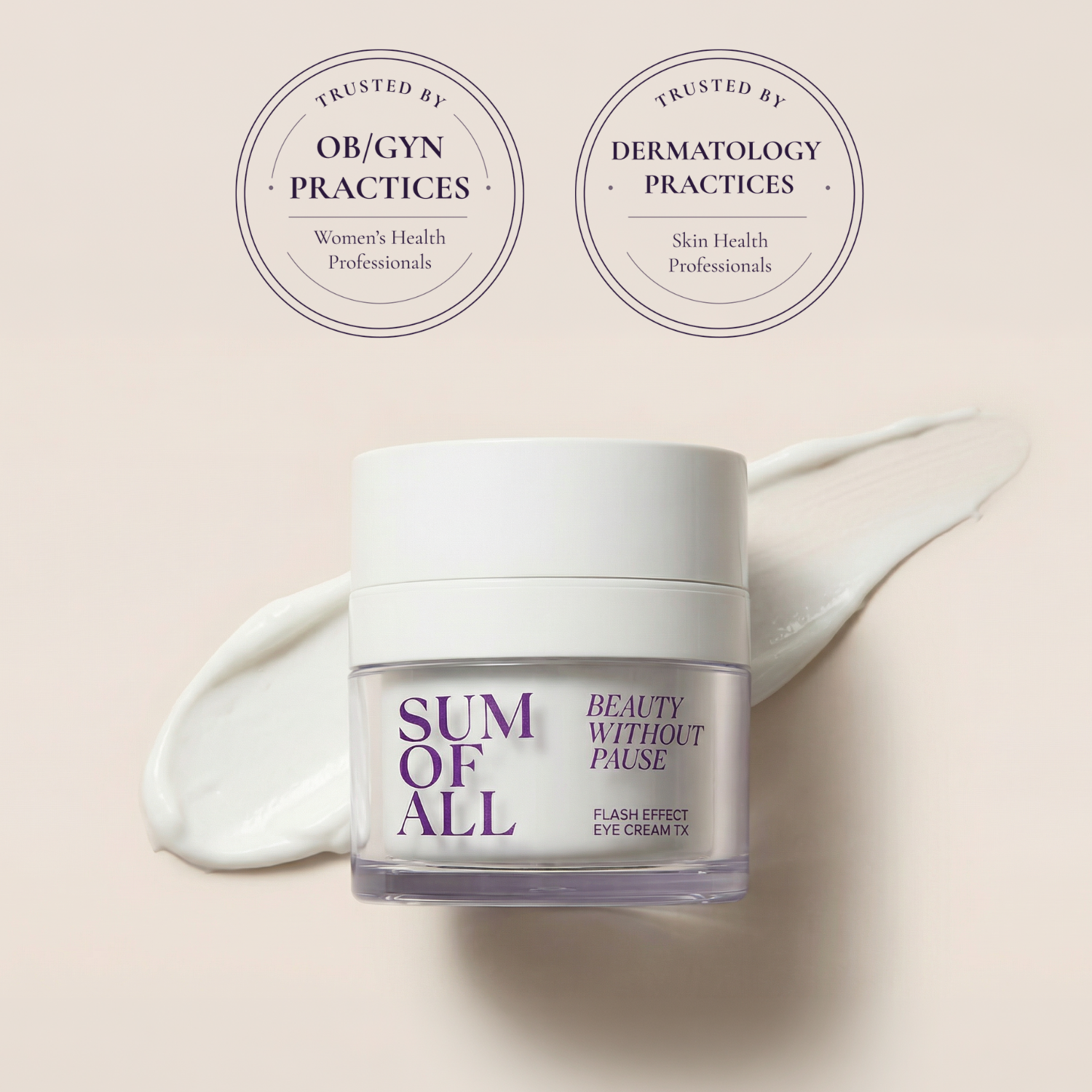
The Replenishing Night Cream Tx from SUM OF ALL combines several of these — vegan PDRN, the proprietary AP2 Complex, and plant-based peptides — specifically formulated for the hormonal skin changes that most night creams ignore entirely.
Night Cream vs Overnight Serum: Which Do You Need?
A night cream is an occlusive, moisture-sealing treatment that sits on the skin's surface to prevent water loss. An overnight serum is a lighter, penetration-focused formula that delivers concentrated actives deep into the skin. They do different jobs, and for aging skin, you likely benefit from both.
| Feature | Night Cream | Overnight Serum |
|---|---|---|
| Texture | Rich, thick, occlusive | Lightweight, fluid, fast-absorbing |
| Primary role | Seals in moisture, restores barrier | Delivers concentrated actives deep into skin |
| Active concentration | Moderate | High |
| Best for | Dryness, barrier repair, winter protection | Resurfacing, brightening, collagen stimulation |
| Apply order | Last step (seals everything in) | Before night cream |
| Winter use | Essential — prevents overnight moisture loss | Beneficial — actives work longer in extended sleep |
Think of it this way: the serum does the deep repair work, and the cream locks it all in. Using an overnight resurfacing serum under your night cream means you're getting both penetration and protection in a single routine.
If you can only pick one, here's a simple rule. Dry, tight, flaky skin? Start with the night cream. Dull, textured, uneven skin? Start with the serum. But the real sweet spot — especially during winter when skin is under more stress — is layering both.
One mistake people make is assuming a serum replaces a cream. It doesn't. Serums have a water-based or oil-based vehicle that absorbs quickly but doesn't create the occlusive barrier that aging skin desperately needs overnight. Without that barrier, you'll lose a significant amount of moisture while you sleep — exactly the opposite of what you're trying to achieve.
For a complete overnight protocol, the Renewal Regimen Starter Set pairs the serum and cream together, which takes the guesswork out of layering.
How to Choose a Night Cream for Your Skin Concerns
Choosing a night cream for aging skin starts with identifying your primary concern — whether that's dryness, loss of firmness, dark spots, or sensitivity — and matching it to the right active ingredients. The "best" night cream is the one that addresses what your skin specifically needs right now.
Start with texture. If your skin feels tight and papery by evening, you need a cream with strong occlusive and humectant properties — ceramides, squalane, and Tremella mushroom or hyaluronic acid. If your main concern is dullness or rough texture, look for formulas with gentle exfoliating actives like lactic acid or retinaldehyde.
Hormonal changes require a different approach entirely. Standard "anti-aging" creams (a term that's overdue for retirement) target surface-level wrinkles. They don't address the structural changes happening at the dermal level when estrogen declines. Hormone-conscious formulas use ingredients like phytoestrogens and PDRN that work at the cellular level where these changes originate.
What to look for on the label
- Peptides — signal words like "palmitoyl tripeptide" or "acetyl hexapeptide" mean the formula supports collagen synthesis
- Ceramides — look for ceramide NP, AP, or EOP for barrier repair
- Phytoestrogens — soy isoflavones, red clover extract, or wild yam indicate hormone-conscious formulation
- Avoid fragrance — synthetic fragrances are one of the most common irritants for sensitized mature skin
What to avoid
Steer clear of night creams that lead with marketing buzzwords but list their actives near the bottom of the ingredient list. If hyaluronic acid is the 15th ingredient, there's not enough in there to make a difference. Also skip anything that promises "instant results" — real skin repair takes weeks, not hours.
Your daytime cream handles different priorities (SPF, environmental protection, lightweight feel). The Energizing Day Cream paired with a dedicated night cream covers both halves of the equation without ingredient overlap or conflict.
Common Night Cream Mistakes That Accelerate Aging
The most common night cream mistake for aging skin is using a formula that's too lightweight to actually prevent overnight moisture loss. But that's just the start — several other habits quietly undermine your results.
Applying to dry skin
Night cream works best on slightly damp skin. Applying it to completely dry skin means the humectant ingredients (hyaluronic acid, Tremella mushroom) have no water to bind to. Mist your face with a toner or thermal water, then apply your cream within 60 seconds.
Skipping the neck and chest
The skin on your neck and decolletage is thinner than your face and shows aging signs earlier. It needs the same level of care. Extend your night cream down to your collarbone every single night.
Switching products too often
Active ingredients like peptides and retinoids need consistent use over weeks to produce visible changes. Switching night creams every two weeks because you haven't seen dramatic results yet means no product ever gets the chance to work. Commit to a minimum of 6-8 weeks before evaluating.
Using the same cream year-round
Your skin's needs shift with the seasons. A cream that's sufficient in July won't cut it in January. Winter demands heavier, more occlusive formulas because cold air and central heating create a double assault on your moisture barrier. Swap to a richer cream from October through March, or layer a facial oil underneath your usual night cream for extra protection.
Neglecting the rest of the routine
Night cream can't compensate for skipping cleansing or applying over makeup residue. A collagen-boosting serum layered underneath amplifies results, but only if it's going onto properly cleansed skin. Double cleanse, then treat, then seal. That's the order that works.
According to dermatologist Dr. Whitney Bowe, author of The Beauty of Dirty Skin, the skin microbiome also plays a role in how well your night cream performs. Harsh cleansers that strip the skin barrier before bed can actually make your night cream less effective by compromising the very barrier it's trying to repair.
Frequently Asked Questions About Night Cream for Aging Skin
What is the best night cream for aging skin over 40?
The best night cream for aging skin over 40 contains peptides, ceramides, and ingredients that support collagen production. Hormone-conscious formulas with phytoestrogens and plant-based PDRN are particularly effective because they address the root cause of menopausal skin changes — declining estrogen — rather than just treating surface symptoms. The Replenishing Night Cream Tx was specifically developed for these hormonal skin shifts.
Should I use night cream or overnight serum for mature skin?
You don't have to choose one or the other. An overnight serum delivers concentrated active ingredients like retinol or resurfacing acids deep into the skin, while a night cream seals everything in and restores the moisture barrier. For best results, apply the serum first, then layer the night cream on top.
How long does it take for a night cream to show results on aging skin?
Most people notice improved hydration within 1-2 weeks. Visible changes in fine lines, firmness, and skin texture typically appear between 4-8 weeks of consistent nightly use. Full collagen remodelling benefits can take 12 weeks or more. Consistency matters far more than product price.
Is night cream really necessary or is moisturizer enough?
A standard moisturizer keeps skin hydrated, but it isn't designed for overnight repair. Night creams are formulated with higher concentrations of active ingredients like peptides and retinoids that work with your body's natural repair cycle during sleep. For aging skin that's losing collagen and moisture at an accelerated rate, a dedicated night cream makes a measurable difference.
Can I use retinol and night cream together?
Yes. Apply retinol serum first on clean skin, wait a few minutes for absorption, then follow with your night cream. The cream acts as a buffer and helps reduce irritation that retinol can cause. If you're new to retinol, start with every other night and build up. Some night creams already contain retinol or retinol alternatives, so check labels to avoid doubling up.
Read more
If your skin feels suddenly dry — tight, rough, or uncomfortable in ways it never did before — you’re not imagining it. For many women, skin dryness is one of the earliest and most persistent sympt...

Collagen and menopause is a topic that's personal for millions of women — and one that most skincare brands completely ignore. Here's the reality: your skin loses up to 30% of its collagen in the...