




Hyaluronic Acid for Mature Skin
Hyaluronic acid for mature skin is a lightweight humectant that pulls water into the upper layers of the skin, plumping fine lines and easing the dryness that arrives with lower estrogen. Used the right way, and sealed with a moisturizer, it can leave skin over 50 looking fresher, smoother, and far more comfortable within days.
Table of contents
- What hyaluronic acid does for mature skin
- Why menopause leaves mature skin thirsty
- Hyaluronic acid molecular weights explained
- The humidity trick so it doesn't dry you out
- How to use hyaluronic acid and layer it with moisturizer
- Choosing a hyaluronic acid serum over 50
- Frequently asked questions
What hyaluronic acid does for mature skin
Hyaluronic acid for mature skin works as a moisture magnet. It's a sugar molecule your body already makes, and its whole job is holding water. According to the Cleveland Clinic, a quarter teaspoon of hyaluronic acid holds about one and a half gallons of water, which is why even a few drops make the surface look instantly fuller.
Hyaluronic acid is a humectant that binds water to the skin's surface layers. It is not an exfoliating acid like glycolic or salicylic acid, so it doesn't strip, sting, or thin the barrier. That distinction matters for anyone worried that the word "acid" means irritation.
On mature skin, that water-binding does three visible things. It softens fine, dehydration-related lines almost immediately. It gives dull, papery skin a plumper, more cushioned look. And it makes skin feel less tight after cleansing. For the deeper structural changes of midlife, pair it with support for firmness, which you can read about in our guide to collagen and menopause. Hyaluronic acid handles hydration; collagen support handles bounce.
Why menopause leaves mature skin thirsty
The reason hyaluronic acid matters more with age comes down to hormones. Estrogen helps skin produce oil, collagen, and its own hyaluronic acid. As estrogen falls through perimenopause and menopause, all three drop, and skin that once stayed comfortable starts to feel tight, rough, and thin.
According to a 2022 review in Clinical and Experimental Dermatology, skin can lose a meaningful share of its collagen in the first years after menopause, and thinner skin holds water less effectively. Research summarized on PubMed also links topical hyaluronic acid to measurable gains in skin hydration and elasticity, which is exactly what lower-estrogen skin is missing.
Dry, tight menopausal skin is largely a hydration and barrier problem. It is not a sign that your skin is "too far gone" to respond. Topping up water from the outside is one of the fastest wins you can give it. If dryness is your main complaint, our pieces on whether menopause causes dry skin and low-estrogen skin signs and solutions go deeper into the hormonal side.
Hyaluronic acid molecular weights explained
Not all hyaluronic acid behaves the same, and the difference comes down to molecular weight, meaning the size of the molecule. Larger molecules stay on the surface. Smaller ones travel into the upper layers of the skin. Neither is "better" on its own for aging skin, which is why the smartest formulas blend several sizes.
| Molecular weight | Where it works | Best for mature skin |
|---|---|---|
| High (large molecules) | Sits on the surface | Instant smoothing, a filmy protective feel, less water loss |
| Medium | Upper surface layers | Balanced, all-day surface hydration |
| Low (small molecules) | Deeper in the outer layers | Longer-lasting plumping and cushion |
According to the American Academy of Dermatology, humectants like hyaluronic acid work best when they're paired with ingredients that trap moisture, which is exactly why a multi-weight serum layered under a moisturizer outperforms any single molecule alone. When you shop, look for phrases like "multi-weight" or "hyaluronic acid complex" rather than a single percentage.
The humidity trick so it doesn't dry you out
Here's the part most people miss. Hyaluronic acid pulls water from wherever it can find it. In a humid room, it draws moisture from the air. In dry air, heated homes, air conditioning, winter, or a plane cabin, it can pull water up from deeper in your skin and then let it evaporate off the top. The result is skin that feels tighter after using it, which is the opposite of the goal.
The fix is two simple habits. First, apply hyaluronic acid to damp skin, not bone-dry skin, so it has surface water to grab. Second, always seal it with a moisturizer, cream, or facial oil within a minute. The seal traps the water hyaluronic acid just gathered and stops it escaping.
| Habit | Do this | Skip this |
|---|---|---|
| When to apply | On damp skin, straight after cleansing | On fully dry skin in a dry room |
| What goes on top | Moisturizer or oil within 60 seconds | Leaving it bare, no seal |
| Dry-air days | Richer cream, run a humidifier | More hyaluronic acid with no seal |
If your barrier already feels compromised, tight, flaky, or reactive, sealing becomes even more important. Our guide to skin barrier repair walks through how to rebuild that protective outer layer so your hydration actually stays in.
How to use hyaluronic acid and layer it with moisturizer
How to use hyaluronic acid on mature skin is refreshingly simple once you nail the order. The rule of thumb is thinnest to thickest, water-based before oil-based, with the seal last.
- Cleanse with a gentle, non-stripping wash and leave skin slightly damp.
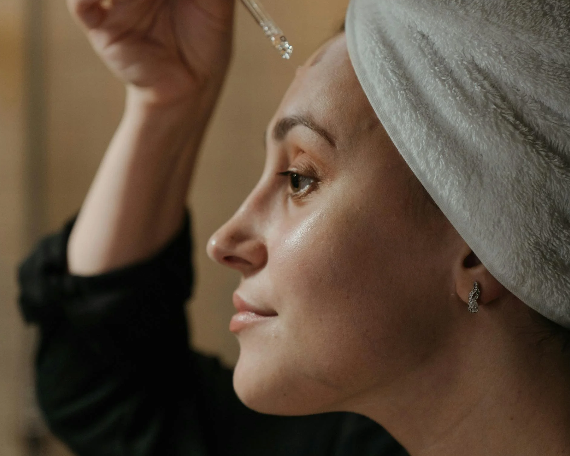
- Apply hyaluronic acid serum, two or three drops, patted over the damp skin. Don't rub it in to a dry finish.
- Layer any treatment you use, such as a peptide or vitamin C serum in the morning.
- Seal with moisturizer while the skin still feels a little tacky, so the water is trapped underneath.
- Add SPF every morning as your final daytime step.
Use it twice daily. In the morning it pairs beautifully with antioxidants, and at night it slots under a richer cream, like the ones we cover in night cream for aging skin. For the full midlife routine from cleanser to SPF, our menopause skincare ultimate guide shows exactly where hyaluronic acid fits. If you'd rather see finished formulas, you can browse the full Sum of All collection and look for multi-weight hyaluronic serums and sealing moisturizers.
Choosing a hyaluronic acid serum over 50
A good hyaluronic acid serum over 50 does more than one thing. Because mature skin is drier and thinner, look for a formula that pairs hyaluronic acid with supporting ingredients rather than relying on it alone.
According to dermatology guidance from the American Academy of Dermatology, the most comfortable formulas for dry, mature skin combine humectants with barrier-supporting ingredients like glycerin, ceramides, or plant oils. That combination gives you the water-attracting benefit of hyaluronic acid plus the sealing power that keeps it from evaporating.
When you're comparing serums over 50, run through this quick checklist:
- Multi-weight hyaluronic acid for both instant and lasting hydration.
- Barrier support such as glycerin, ceramides, or nourishing plant oils in the same routine.
- A gentle base, fragrance-light and free of harsh alcohols that can dry thin skin.
- A sealing partner, a moisturizer or oil you'll layer on top every time.
Persistent tightness and flaking through perimenopause has its own causes worth understanding, which we unpack in why perimenopause dry skin happens. Pair that knowledge with a well-sealed hyaluronic acid serum, and mature skin has everything it needs to look and feel hydrated again.
Frequently asked questions
Is hyaluronic acid good for mature skin over 50?
Yes. Mature skin over 50 holds less water because estrogen and natural hyaluronic acid both decline. A topical hyaluronic acid serum draws moisture back into the surface layers, softening fine lines and easing tightness. For best results, apply it to slightly damp skin and seal it with a moisturizer so the water stays put.
Can hyaluronic acid dry out mature skin?
It can, if you use it wrong. In low humidity, hyaluronic acid may pull moisture from deeper in the skin instead of the air, then let it evaporate. The fix is simple: apply it to damp skin and always lock it in with a moisturizer or facial oil on top. Sealed correctly, it hydrates rather than dries.
What molecular weight of hyaluronic acid is best for aging skin?
A blend works best. High-molecular-weight hyaluronic acid sits on the surface for instant smoothing and a protective feel, while low-molecular-weight forms travel into the upper layers for deeper, longer-lasting hydration. Products that combine several weights give both immediate plumping and lasting comfort for aging skin.
Does menopause affect how hyaluronic acid works?
Menopause makes hyaluronic acid more useful, not less. Falling estrogen reduces the skin's own hyaluronic acid and oil, so it feels drier and looks thinner. Topping up hydration from the outside with a hyaluronic serum, then sealing with a richer moisturizer, helps counter that daily moisture loss.
How often should I use hyaluronic acid on mature skin?
Twice a day is ideal for most mature skin. Use it morning and night on damp skin, right before your moisturizer. It is gentle enough for daily use and layers well with vitamin C in the morning and richer creams at night. Consistency matters more than quantity, so a few drops each time is plenty.
Read more
Face oil for mature skin is a lightweight, lipid-rich layer that replaces the natural oils skin loses during menopause. The best facial oils, like squalane, tsubaki camellia, and rosehip, reinfor...
Hyperpigmentation in menopause is uneven, darker patches of skin, mostly age spots and melasma, that surface as estrogen drops and years of sun exposure catch up with you. It's one of the most co...