

Does Menopause Cause Dry Skin? The Science
Does Menopause Cause Dry Skin? The Science
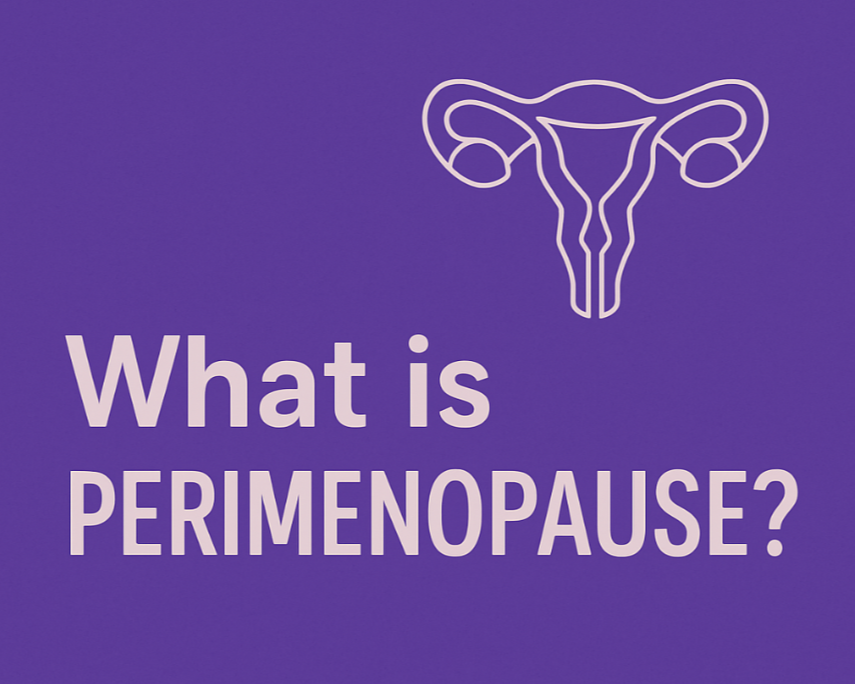
Yes, menopause directly causes dry skin. As estrogen declines during perimenopause and menopause, your skin loses its ability to hold water, produce protective oils, and repair its own barrier. The result is the tight, flaky, sometimes itchy dryness millions of women suddenly notice in their forties and fifties, often after a lifetime of normal or oily skin.
Table of Contents
- How Menopause Directly Causes Skin Dryness
- The Estrogen-Moisture Connection Explained
- Menopause Dry Skin vs Normal Aging: Key Differences
- Best Ingredients for Menopause-Related Dryness
- How to Repair Your Skin Barrier During Menopause
- When Dry Skin Signals a Bigger Health Issue
- Frequently Asked Questions
If you've been wondering whether this is just aging, the honest answer is that it's both — but menopause is the bigger and faster driver. This guide walks through exactly what happens inside your skin when estrogen drops.
How Menopause Directly Causes Skin Dryness
The question of whether menopause causes dry skin is not really up for debate in the dermatology literature. According to research cited by the North American Menopause Society (NAMS), women lose around 30% of skin collagen in the first five years after menopause, and sebum production drops sharply at the same time.
Here's what's happening at a cellular level when estrogen falls:
- Sebaceous glands shrink. Less oil reaches the surface, so the protective lipid film becomes patchy.
- Ceramide production slows. Ceramides are the "mortar" between your skin cells. Without them, water escapes.
- Hyaluronic acid levels fall. Your skin's natural humectant declines, so it holds noticeably less moisture.
- Cell turnover slows. Older, drier cells linger on the surface for longer.
- Microcirculation drops. Less blood flow means fewer nutrients and slower repair.
This is not the same gradual dryness that comes with aging alone. Menopausal dryness tends to arrive in months, not decades, and it often coincides with hot flushes, sleep disruption, and other hormonal symptoms.
The Estrogen-Moisture Connection Explained
To understand why menopause causes dry skin so reliably, you have to look at what estrogen is actually doing in healthy skin. Estrogen receptors sit throughout the dermis and epidermis, and they regulate three of the most important moisture-related processes.
First, estrogen stimulates the production of hyaluronic acid. According to the Cleveland Clinic, a single hyaluronic acid molecule can bind up to 1,000 times its weight in water. When estrogen drops, hyaluronic acid synthesis drops with it.
Second, estrogen drives collagen and elastin production. Collagen isn't just about wrinkles — it forms the scaffolding that keeps the dermis hydrated and resilient.
Third, according to the British Menopause Society, estrogen supports the skin barrier itself by encouraging ceramide and fatty acid synthesis. Dermatologists measure barrier integrity with a value called transepidermal water loss (TEWL), and TEWL rises measurably after menopause.
Put simply, estrogen is the hormone that tells your skin to stay moist. This is the principle behind our AP2 Complex approach to hormone-conscious skincare.
Menopause Dry Skin vs Normal Aging: Key Differences
One of the most useful things you can do is learn to tell hormonal dryness apart from ordinary age-related dryness. They overlap, but they aren't identical.
| Feature | Menopause Dry Skin | Normal Age-Related Dryness |
|---|---|---|
| Onset speed | Weeks to months | Years to decades |
| Typical age | 40 to 55 | 60 and beyond |
| Driver | Falling estrogen | Cumulative cell aging and sun exposure |
| Sensation | Tight, itchy, sometimes burning | Rough, papery, rarely itchy |
| Sebum levels | Drop suddenly | Decline slowly |
| Response to plain moisturizer | Partial, often insufficient | Usually good |
| Accompanying symptoms | Hot flushes, sleep changes, mood shifts | None hormonal |
A useful rule of thumb: menopausal dryness is sudden and systemic. Normal aging dryness is not. If your skin changed character within a single year and you're in your forties or early fifties, hormones are the most likely cause.
Best Ingredients for Menopause-Related Dryness
The good news is that menopausal dry skin responds extremely well to the right ingredients. The trick is choosing actives that address all three problems at once: water loss, barrier weakness, and slowed cell renewal.
According to the American Academy of Dermatology (AAD), these are the ingredients with the strongest evidence for hormonal dryness:
- Ceramides rebuild the lipid mortar between skin cells and reduce TEWL within days.
- Hyaluronic acid (especially multi-weight) replaces the humectant your skin used to make.
- Squalane mimics the sebum your sebaceous glands no longer produce in sufficient quantity.
- Niacinamide supports ceramide synthesis, calms redness, and strengthens the barrier.
- Phytoestrogens such as genistein and resveratrol gently support estrogen-deprived skin.
- Peptides signal collagen production, which thickens the dermis.
- Glycerin is a small humectant that pulls water into the upper layers.
- Lactic acid at low concentrations gently sloughs dead cells without stripping.
What isn't helpful: harsh foaming cleansers, high-percentage glycolic acid, alcohol-based toners, and any retinoid used without a rich barrier cream. Our Replenishing Night Cream is built around ceramides, squalane, and the AP2 Complex specifically for this stage.
For deeper reading, see the best ingredients for menopause skin and our phytoestrogens explainer.
How to Repair Your Skin Barrier During Menopause
Rebuilding a menopausal skin barrier is a four-week project, not an overnight fix. Skin cell turnover takes around 28 days at this age, so you need to give any new routine at least a full cycle before judging it.
A simple, evidence-based menopausal barrier routine:
Morning: Cream cleanser, hydrating serum with hyaluronic acid and niacinamide, lightweight moisturizer with ceramides, broad-spectrum SPF 30 or higher.
Evening: Cream or oil cleanser, Collagen Boosting Serum with peptides and phytoestrogens, rich night cream with ceramides and squalane. Two or three nights a week, swap your serum for the Overnight Resurfacing Serum.
A few habits matter just as much as products. According to the Mayo Clinic, lukewarm water rather than hot, short showers, a humidifier in the bedroom during winter, and adequate omega-3 intake all support skin barrier function from the inside.
If you haven't yet read our guide on building a complete menopause skincare routine, it walks through morning and evening steps in more detail.
When Dry Skin Signals a Bigger Health Issue
Most menopausal dry skin is uncomfortable but harmless. Occasionally, however, dryness is a flag for something that needs medical attention rather than skincare.
See your GP or dermatologist if your dryness is accompanied by any of the following: persistent itching that wakes you at night, scaly patches that bleed or weep, sudden hair loss alongside the skin changes, unexplained fatigue, weight changes, or feeling cold all the time. These can point to thyroid dysfunction, which is common around menopause.
Other conditions worth checking for include eczema (which can flare for the first time in midlife), contact dermatitis from a new product, and in rarer cases, autoimmune conditions such as Sjögren's syndrome. The point isn't to worry, but to recognize that skincare alone isn't always the answer. If your dryness doesn't improve with four to six weeks of a proper barrier routine, that's a reasonable trigger to seek medical advice.
For most women, though, the dryness is straightforwardly hormonal. See menopause flushing and redness for a related guide on reactive skin.
Frequently Asked Questions
Does menopause cause dry skin in everyone? Almost everyone notices some change in skin hydration during menopause. Roughly three quarters of women report new or worsening dryness within five years of their final period.
How long does menopausal dry skin last? Without intervention, the dryness is usually permanent because estrogen levels don't return to premenopausal values. With the right routine, most women see significant improvement within four to six weeks.
Can HRT improve menopausal dry skin? Yes, hormone replacement therapy improves skin hydration, thickness, and elasticity in most women who take it.
Is menopausal dry skin the same as eczema? No. Eczema involves an inflammatory immune response and usually produces visibly red, weeping, or thickened patches. Menopausal dryness is more uniform.
What is the single best product for menopausal dry skin? A ceramide-rich night cream is the highest-impact place to start.
Does drinking more water fix menopausal dry skin? Hydration helps but isn't enough on its own. Topical barrier repair is non-negotiable.
Can menopausal dry skin lead to wrinkles? Yes, indirectly. Dry skin shows fine lines more prominently and is more vulnerable to environmental damage.
This article was written by Stacy and reviewed by the Sum of All Editorial Team. The information here is educational and not a substitute for personalized medical advice.