







Face Oil for Mature Skin: A Complete Guide
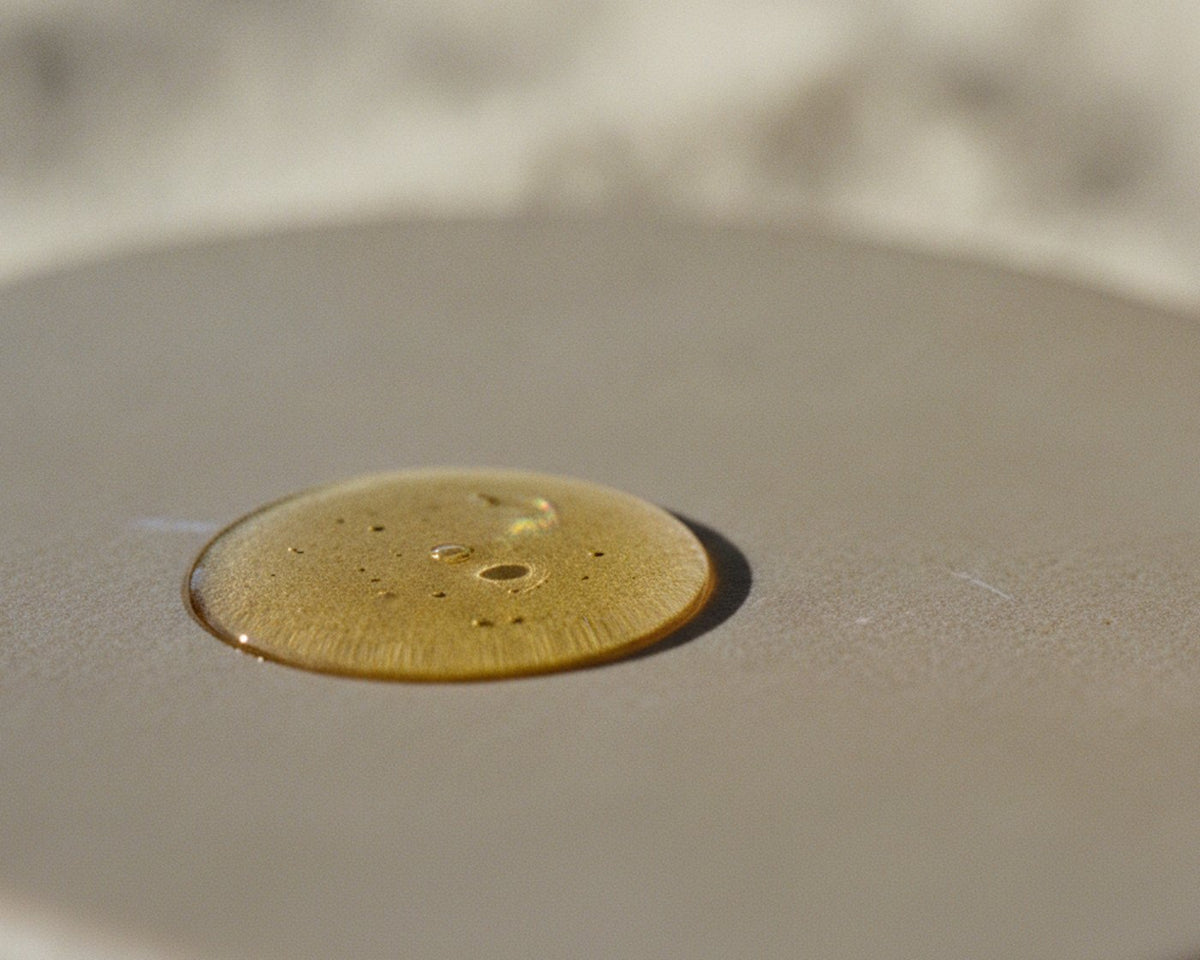
Face oil for mature skin is a lightweight, lipid-rich layer that replaces the natural oils skin loses during menopause. The best facial oils, like squalane, tsubaki camellia, and rosehip, reinforce the barrier, lock in moisture, and leave drier midlife skin feeling softer, calmer, and more comfortable within days.
If your once-balanced skin now feels tight, papery, or thirsty no matter how much cream you use, an oil might be the missing piece. Here is exactly why facial oils suit changing skin, which ones to reach for, and how to use them well.
Why face oil suits drier menopausal skin
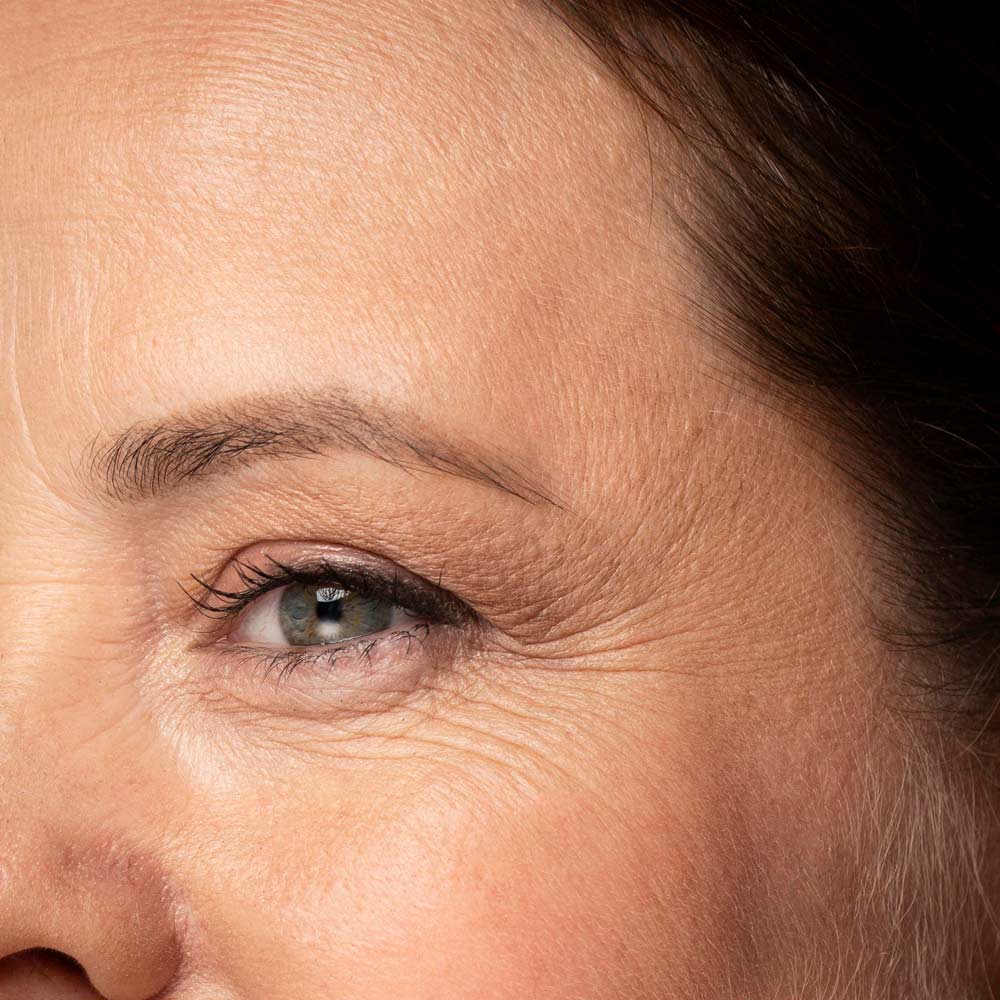
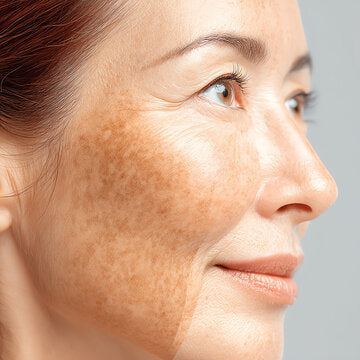
Face oil suits drier menopausal skin because it restores the lipids your skin stops making on its own. As estrogen declines, oil (sebum) production drops, the barrier weakens, and water escapes faster. That is why so many women notice new dryness, tightness, and a rough, crepey feel in their forties and fifties.
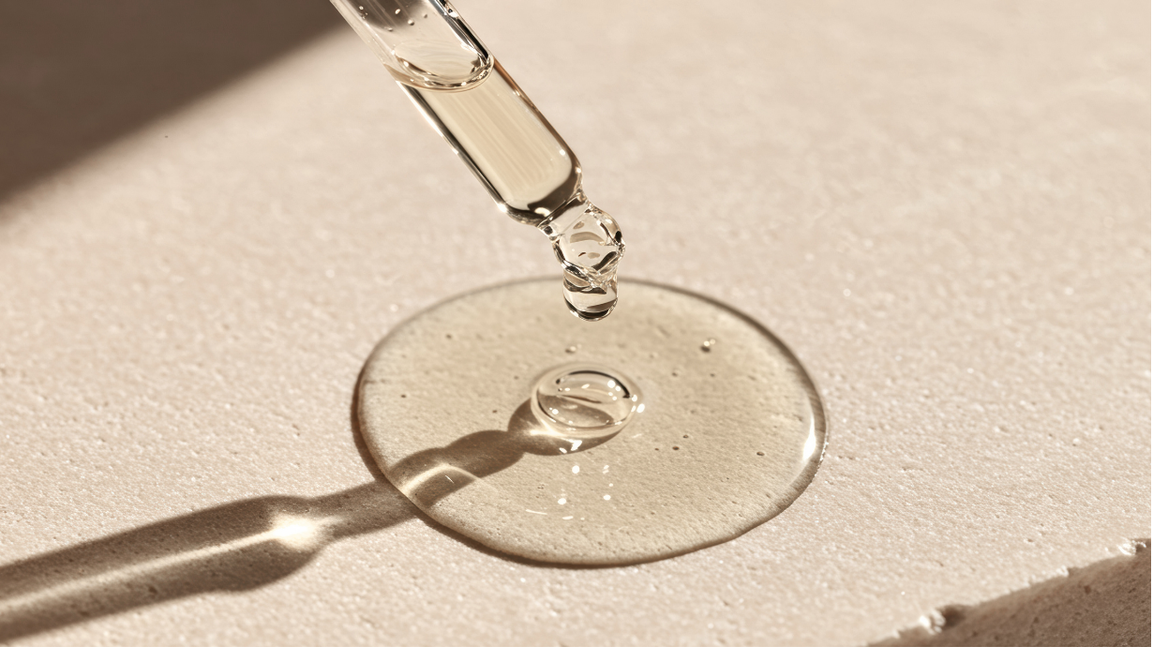
A facial oil is an occlusive and emollient layer that slows water loss and smooths the spaces between skin cells. It is not a source of hydration on its own, which is why it works best over a water-based serum or cream rather than in place of one.
According to The Menopause Society, skin can lose roughly 30% of its collagen in the first five years after menopause, along with declining oil and moisture. Replacing some of those surface lipids is one of the simplest ways to keep skin comfortable. For the fuller picture on why this happens, our guide to perimenopause dry skin and why it happens breaks down the hormonal drivers, and our overview of low estrogen skin signs and solutions covers the wider changes.
Oils also help calm the reactive, easily irritated feel that comes with a compromised barrier. According to a review published on PubMed, several plant oils have measurable barrier-repair and soothing effects when applied topically, thanks to their fatty acid and antioxidant content.
Best face oils for aging skin
The best face oil for aging skin is one that mimics your skin's own lipids, absorbs cleanly, and carries antioxidants. Three stand out for mature, drier complexions: squalane, tsubaki (camellia) oil, and rosehip. Each does a slightly different job, so many women use them at different times or layer them.
| Oil | What it does | Best for | Feel |
|---|---|---|---|
| Squalane | Mirrors skin's natural squalene; seals in water and softens | Barrier support, everyday comfort | Ultra-light, fast-absorbing |
| Tsubaki (camellia) oil | Rich in oleic acid and antioxidants; deeply softening and cushioning | Dry, tight, papery skin and resilience | Silky, non-greasy |
| Rosehip oil | Natural source of vitamin A and linoleic acid | Tone, texture, and firmness support | Light, dry-touch |
Tsubaki oil deserves a special mention for midlife skin. Pressed from the seeds of the Japanese Camellia japonica, it has been used in Japanese beauty rituals for centuries and is prized for leaving skin soft without a heavy film. You can read the full ingredient story in our journal on Japanese tsubaki camellia japonica oil, which explains why its fatty acid profile is such a close match for skin that has lost its natural oils.
According to the American Academy of Dermatology, moisturizers and emollients work best when they combine ingredients that attract water and ingredients that seal it in. A face oil covers the sealing side of that equation beautifully.
How to use face oil (and when)
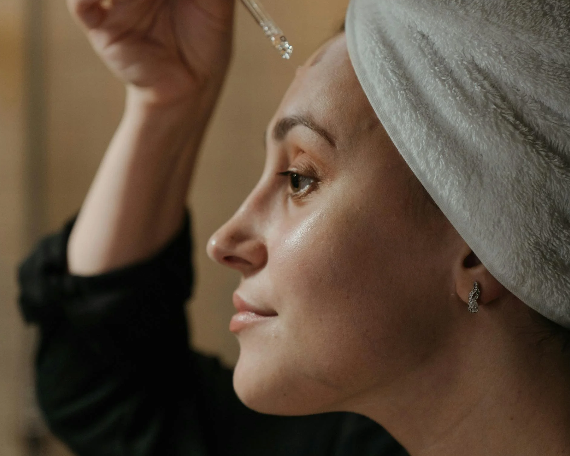
To use face oil well, apply it as the last step of your skincare, on slightly damp skin, using just a few drops. Order matters: thinnest to thickest. Because oil creates a barrier, anything applied after it struggles to get through, so oil goes on near the end, before sunscreen in the morning.
A simple evening sequence for mature skin looks like this:
- Cleanse and leave skin slightly damp.
- Apply a water-based serum (hydration).
- Apply moisturizer or night cream (more hydration plus some sealing).
- Press 2 to 4 drops of face oil over the top to lock it all in.
Warm the oil between your palms and press, don't rub, into the skin. For daytime, use a lighter hand and always follow with SPF. If you are building a full midlife routine, our guide to night cream for aging skin pairs naturally with an oil as the final seal, and the complete menopause skincare guide shows where oils fit alongside actives.
Face oil is a finishing step that traps moisture already in the skin. It is not a substitute for the hydrating layers underneath, so applying it to bone-dry skin over nothing else will do far less. If your barrier already feels raw or stinging, ease in slowly and see our steps for skin barrier repair first.
Choosing a face oil over 50
Choosing a face oil over 50 comes down to matching the oil to how your skin actually feels day to day. Skin in this stage is usually drier, thinner, and more reactive, so gentle, lipid-matching oils tend to win over heavy or fragranced formulas. Use the quick guide below.
| If your skin feels... | Reach for | Why |
|---|---|---|
| Tight and dehydrated | Squalane over a hydrating serum | Light seal that stops water escaping |
| Rough, papery, or crepey | Tsubaki camellia oil | Cushions and softens without heaviness |
| Dull with uneven tone | Rosehip oil at night | Natural vitamin A supports texture and tone |
| Reactive and easily irritated | Fragrance-free squalane | Minimal ingredients, low irritation risk |
Whatever you choose, favor simple, fragrance-free formulas and patch test for a few days first. Collagen loss is a big part of the over-50 story too, and an oil supports comfort while other steps target firmness; our piece on collagen and menopause explains how these fit together. When you're ready to build a kit, you can browse the full range in the Sum of All shop.
Face oil myths, cleared up
A few stubborn myths keep women from trying oils that their skin would love. Let's clear them up.
Myth: oils dry you out or make skin lazy. Skin does not stop making oil because you apply one. In menopause the drop in sebum is driven by hormones, not by your moisturizer, and a topical oil simply tops up what's missing.
Myth: oily-feeling skin can't use oil. Even skin that gets shiny in patches can be dehydrated underneath. A light oil like squalane can actually help balance that mixed feel.
Myth: face oil replaces everything else. As covered above, oil seals but doesn't hydrate. It's a partner to your serum and cream, not a one-step shortcut.
Myth: more is better. Two to four drops is plenty. Layering on more won't add benefit and can leave a greasy film. According to the American Academy of Dermatology, applying products to damp skin and using them consistently matters far more than using large amounts.
Used the right way, a facial oil is one of the most comforting additions to a midlife routine, and it costs very little effort to try.
Frequently asked questions
Is face oil good for mature skin?
Yes. Mature skin makes fewer natural oils as estrogen falls, so a well-chosen face oil replaces some of those lost lipids, supports the barrier, and helps skin hold water. Look for squalane, tsubaki camellia, or rosehip and apply to slightly damp skin.
Which face oil is best for aging skin over 50?
Squalane and tsubaki camellia oil are two of the gentlest, most barrier-friendly choices for skin over 50 because they mimic skin's own lipids and absorb without heaviness. Rosehip adds a natural source of vitamin A for tone and texture. Many women rotate or layer them.
Can face oil replace my moisturizer during menopause?
Not usually. Oils seal in water but do not add much water themselves. During menopause, most drier skin does best with a hydrating serum or cream first, then a few drops of face oil on top to lock everything in. Think partner, not replacement.
Does face oil clog pores on mature skin?
Lightweight oils like squalane and tsubaki camellia are among the least likely to sit heavily on the skin and are well tolerated by most mature complexions. Everyone is different, so patch test a new oil for a few days and start with two or three drops at night.
When should I apply face oil, morning or night?
Both can work. Many women prefer face oil at night when skin repairs and there is no makeup to layer over it. If you use it in the morning, apply a thin layer under sunscreen. Always put oil on as the last step of your skincare, before SPF.
Read more

The emotional changes of midlife deserve the same attention as the physical ones. You may have expected hot flashes or changes in your periods. You may have been prepared to rethink your sleep, you...

Hyaluronic acid for mature skin is a lightweight humectant that pulls water into the upper layers of the skin, plumping fine lines and easing the dryness that arrives with lower estrogen. Used t...