









Japanese Tsubaki (Camellia japonica) Oil: A Silky, Plant-Based Moisturiser for Softness and Skin Resilience
Japanese Tsubaki Oil, derived from the seeds of Camellia japonica, is a lightweight, non-comedogenic oil traditionally used in Japanese beauty rituals for its smoothing and nourishing qualities. Rich in oleic acid, antioxidants, and phytosterols, it helps soften the skin, support moisture retention, and reinforce the barrier. This makes it especially beneficial for skin experiencing hormonal changes.
For perimenopausal and menopausal skin, which may feel drier or more delicate, Tsubaki Oil offers a natural, gentle way to restore comfort and maintain a radiant appearance.
A Brief History of Tsubaki in Skincare
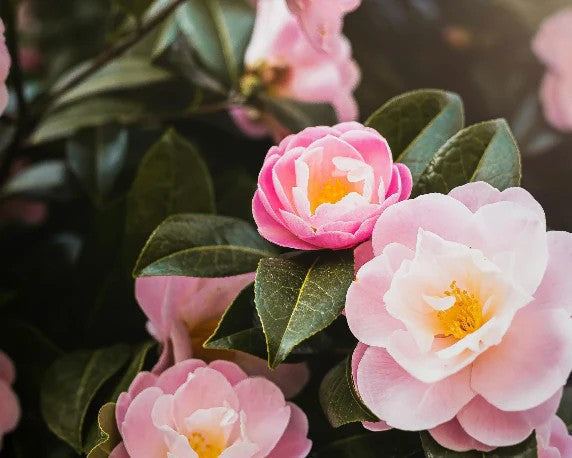
Camellia japonica has been used in Japan for centuries by both geishas and samurai for hair and skin care. The oil was celebrated for its fast absorption, silky feel, and long-lasting hydration. Unlike heavier oils, it did not clog pores or leave a greasy residue. Its botanical richness and refined texture made it a cornerstone of traditional self-care rituals.
Today, cold-pressed and purified Tsubaki Oil continues to shine in modern skincare for its soothing, conditioning, and skin-softening properties.
How Tsubaki Oil Supports Skin During Menopause
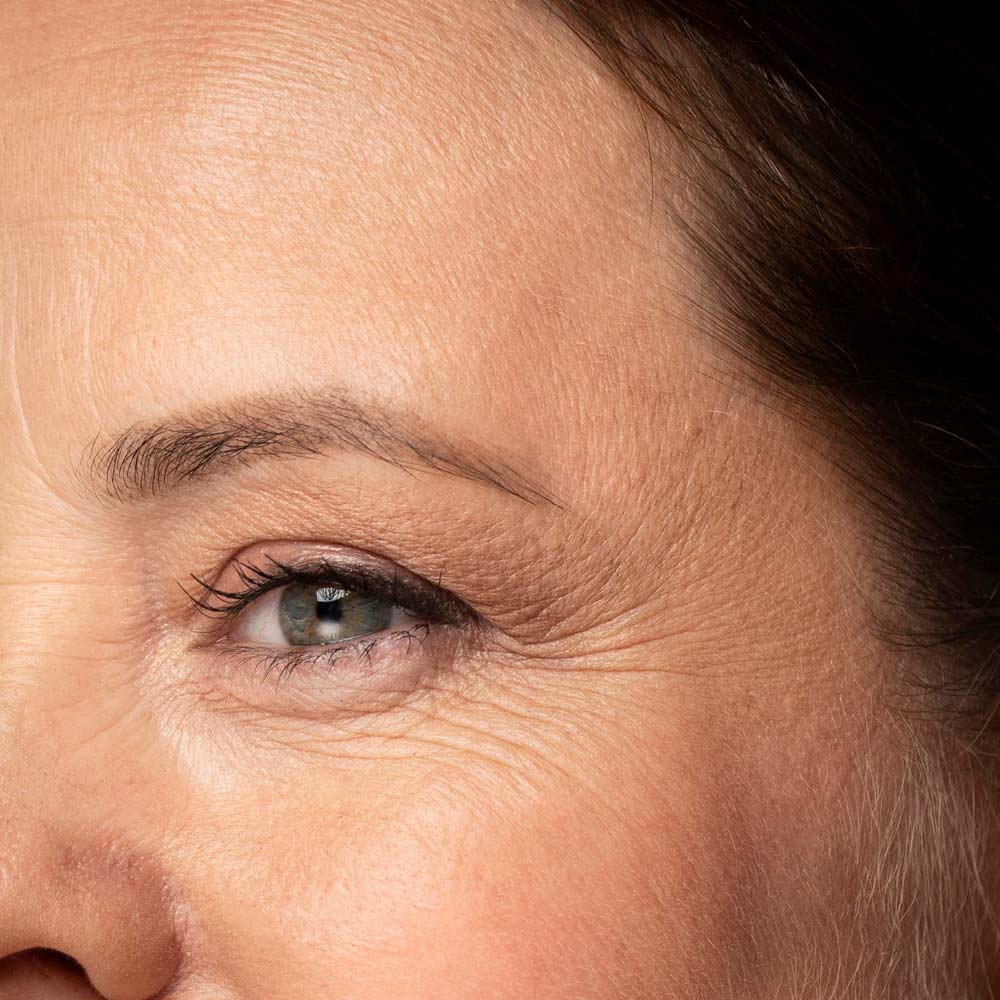
As estrogen levels decline during menopause, the skin can become thinner, drier, and more prone to irritation. Japanese Tsubaki Oil provides topical nourishment that replenishes lost lipids and helps maintain comfort, softness, and resilience.
Common Skin Symptoms During Menopause and How Japanese Tsubaki Oil May Help
Dryness or tightness: Rich in oleic acid, it deeply moisturizes and softens the skin.
Loss of elasticity or bounce: Helps improve suppleness and smoothness.
Fine lines or rough texture: Conditions the surface of the skin, softening the appearance of lines.
Weakening of the skin barrier: Restores essential lipids to support moisture and resilience.
Increased sensitivity: Gentle, fragrance-free, and non-irritating for delicate skin.
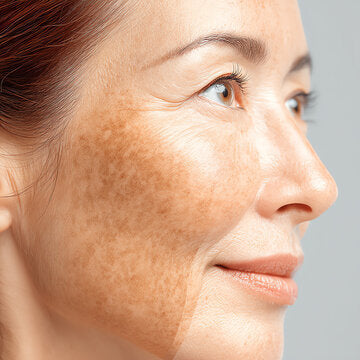
Dullness or uneven texture: Enhances texture and radiance with regular use.
Visible Results with Consistent Use
Tsubaki Oil absorbs quickly, delivering lightweight hydration that helps skin feel smoother and more supple with ongoing use. Over time, users often notice enhanced softness, radiance, and evenness, especially when combined with antioxidant-rich and barrier-repairing ingredients.
Its non-comedogenic nature makes it ideal for a variety of skin types, including dry, combination, and sensitive skin.
Alternative Names and Labeling Terms
On ingredient lists, Tsubaki Oil may appear as:
-
Camellia Japonica Seed Oil
-
Tsubaki Oil
-
Japanese Camellia Oil
-
Camellia Oil (when derived from Camellia japonica)
-
Tea Seed Oil (occasionally used interchangeably with other camellia species)
All of these refer to oil extracted from the seeds of Camellia japonica, known for its skin-softening and moisturizing benefits.
Used in: Collagen Boosting Serum Tx
Sources
Wang, R., et al. (2019). Camellia japonica (Tsubaki) oil: Composition, health benefits, and applications. Molecules. https://pubmed.ncbi.nlm.nih.gov/31640843/
Zhang, T., et al. (2020). Protective effects of Camellia japonica oil against UV-induced oxidative stress in skin cells. Cosmetics. https://pubmed.ncbi.nlm.nih.gov/33138056/
Han, M. H., et al. (2018). The antioxidant and anti-inflammatory potential of Camellia japonica seed oil in human skin fibroblasts. Journal of Ethnopharmacology. https://pubmed.ncbi.nlm.nih.gov/29555185/
Read more

Chlorella Vulgaris Extract, derived from a single-celled green freshwater algae, is gaining attention in modern skincare for its antioxidant capacity, nutrient density, and barrier-supporting prope...

Red Algae Extract, derived from nutrient-rich marine macroalgae (Rhodophyta), is a skincare powerhouse celebrated for its antioxidant and water-binding properties. Frequently featured in hydrating ...