





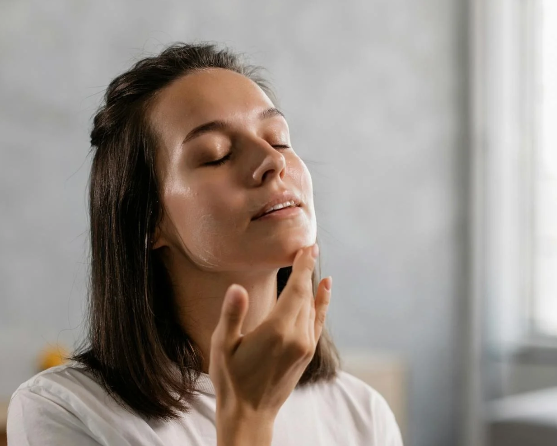
Dull Skin: How to Restore Midlife Radiance
Dull skin is skin that has lost its natural light-reflecting quality, looking tired, flat, or lackluster instead of fresh and radiant. In midlife it's incredibly common, driven by slower cell turnover, dryness, a buildup of dead surface cells, and falling estrogen. The good news: with gentle exfoliation, hydration, and antioxidants, radiance comes back.
Table of Contents
- What Is Dull Skin, Really?
- Dull Skin Causes in Midlife
- Dull Skin and Menopause: The Estrogen Link
- How to Fix Dull Skin: A Radiance Routine
- How to Get Glowing Skin From the Inside Out
- Common Mistakes That Keep Skin Dull
- Frequently Asked Questions
What Is Dull Skin, Really?
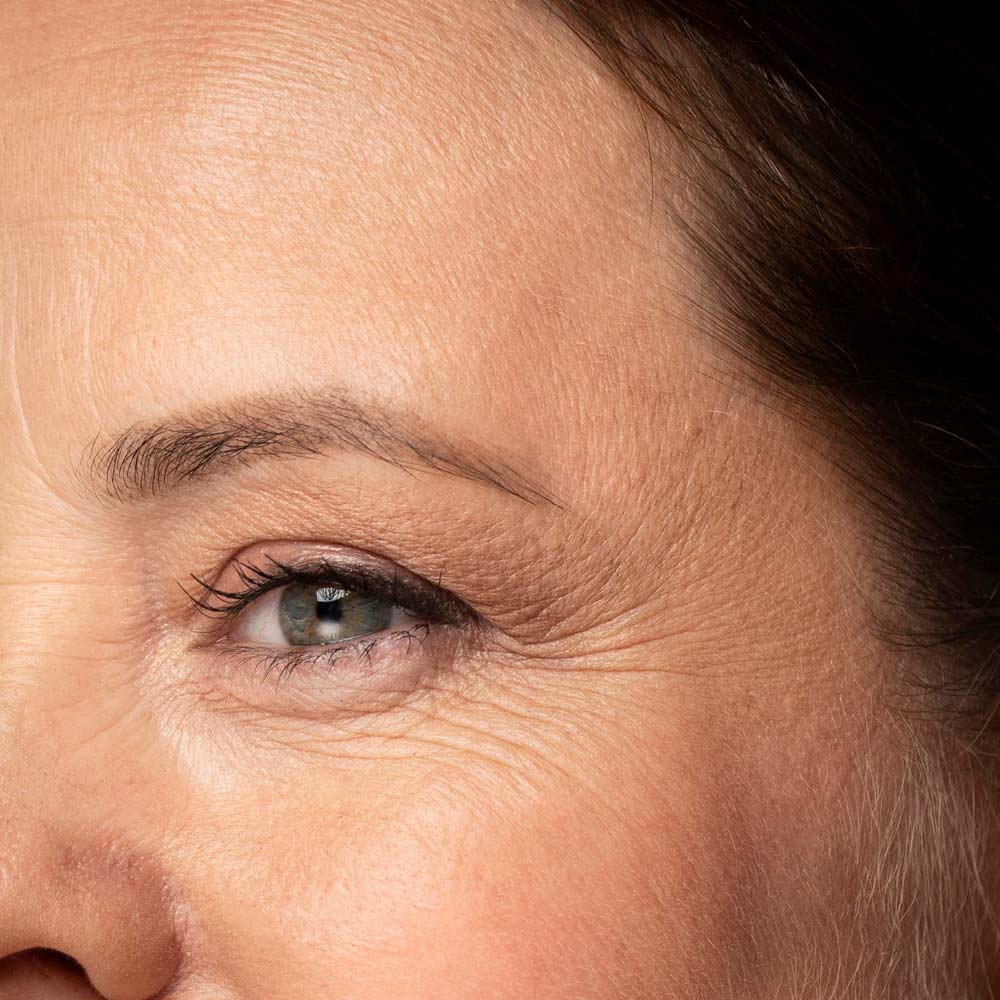
Dull skin is a loss of the smooth, even surface that reflects light and gives skin its glow. It is not a sign that your skin is dirty or that you've done something wrong. Healthy, radiant skin has a well-hydrated barrier and a fairly even layer of fresh cells, so light bounces back cleanly. When that surface gets rough, dry, or crowded with dead cells, light scatters instead, and the face looks flat.
Think of it like the difference between a polished window and a dusty one. Same glass underneath, but one lets light through and one doesn't. Dullness is almost always a surface-and-hydration story rather than a deep structural one, which is why it responds well to the right care.
According to the American Academy of Dermatology, skin renewal slows with age, and dead cells sit on the surface longer, contributing to a rough, lackluster look. That single shift explains a lot of what women notice in their forties and fifties. Understanding what dullness actually is takes the worry out of it. You're not watching your skin fail. You're watching it change, and change is something you can work with.
Dull Skin Causes in Midlife
The main dull skin causes in midlife stack on top of each other, which is why the effect can feel sudden even though it builds gradually. Cell turnover, hydration, and hormones all shift around the same time, and each one dims your glow a little.
| Cause | What Happens | How It Shows Up |
|---|---|---|
| Slower cell turnover | Skin renews itself more slowly, so dead cells linger | Rough, flat, uneven surface |
| Dead-cell buildup | Old cells accumulate on the outer layer | Gray or tired-looking tone |
| Dryness | Lower oil production leaves skin parched | Tight, papery, light-absorbing skin |
| Dehydration | The barrier loses water it can't hold | Loss of plumpness and bounce |
| Lower estrogen | Collagen and natural moisture decline | Thinner, less resilient skin |
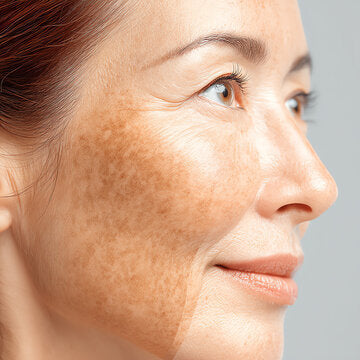
Everyday factors pile on too. Sun exposure over the years, disrupted sleep, stress, and pollution all generate oxidative stress that dims radiance. Central heating and air conditioning pull moisture from the air and your skin. None of these are dramatic on their own, but together they explain why the mirror can suddenly feel less kind. The encouraging part is that most of these causes are reversible or manageable with a focused routine, which we'll get to below.
Dull Skin and Menopause: The Estrogen Link
Dull skin and menopause are closely tied, and estrogen is the connecting thread. Estrogen helps skin hold water, produce oil, and maintain collagen. As levels fall through perimenopause and menopause, all three decline together, and skin loses the moisture and structure that keep it luminous.
According to a review published in the journal Climacteric, skin collagen content drops significantly in the years around menopause, with much of the loss concentrated in the first few years after the final period. Less collagen means thinner, less springy skin that reflects light less evenly. At the same time, fewer active oil glands leave the surface drier and rougher.
This is why the same hydration routine that worked at 35 can fall flat at 52. Your skin genuinely needs more support now. Understanding the hormonal picture helps you choose ingredients that address the real cause rather than chasing surface fixes. Our guide to low estrogen skin signs, causes, and solutions goes deeper on what shifting hormones do to your face, and the collagen and menopause guide explains why firmness and glow tend to fade at the same time. Dullness rarely travels alone in midlife, so treating the underlying dryness and barrier changes tends to lift several concerns at once.
How to Fix Dull Skin: A Radiance Routine
Learning how to fix dull skin comes down to five moves: gentle exfoliation, vitamin C, deep hydration, barrier care, and consistent sleep. You don't need a ten-step overhaul. You need the right few steps done consistently.
| Step | Why It Restores Radiance | How Often |
|---|---|---|
| Gentle exfoliation | Clears dead-cell buildup so light reflects evenly | 1-3 times a week |
| Vitamin C | Antioxidant defense and brighter, more even tone | Every morning |
| Hydration (humectants) | Draws water into the surface for plumpness | Twice daily |
| Barrier care (ceramides, oils) | Seals in moisture so skin stays supple | Twice daily |
| Daily SPF | Prevents new oxidative damage that dims glow | Every morning |
Start with exfoliation, but keep it gentle. Midlife skin is thinner, so harsh scrubs do more harm than good. A mild acid or an enzyme once or twice a week is plenty to lift dullness without stripping the barrier. Follow with a stabilized vitamin C to brighten and protect. Our note on encapsulated vitamin C explains why a gentler delivery suits sensitive, changing skin.
Then layer hydration and lock it in. A humectant like hyaluronic acid pulls water in, and a barrier-supporting moisturizer or plant oil holds it there. If your skin feels tight and rough, our skin barrier repair guide walks through rebuilding a compromised barrier step by step. A rich night cream for aging skin gives that repair work the overnight window it needs.
How to Get Glowing Skin From the Inside Out
Knowing how to get glowing skin means looking past the bathroom shelf. Your skincare does the heavy lifting on the surface, but sleep, hydration, and daily habits decide how much of that work actually shows.
Sleep is the quiet powerhouse here. According to the National Institutes of Health, the body repairs and regenerates tissue during deep sleep, and skin is no exception. Skimp on rest and you'll see it in a duller, more tired-looking complexion by morning. Aim for consistent, quality sleep and let your night routine support it. If pillow creases and overnight habits are marking your face, our piece on sleep lines and smile wrinkles is worth a read.
Hydration works from both directions. Drinking enough water supports overall skin function, though it won't override a dry barrier on its own. That's why topical humectants matter so much. Antioxidant-rich foods, colorful vegetables, and healthy fats give skin the raw materials to look its best. Plant-based ingredients can help too, and a nourishing oil like Japanese Tsubaki camellia oil softens and cushions dry, dull-looking skin beautifully. Glow, in the end, is the visible result of skin that's well-fed, well-rested, and well-hydrated. Habits and products working together beat any single miracle step.
Common Mistakes That Keep Skin Dull
Sometimes dull skin lingers because of what we're doing, not what we're missing. A few common habits quietly work against radiance, especially in midlife when the margin for error is smaller.
Over-exfoliating tops the list. It feels productive, but scrubbing daily or stacking strong acids strips the barrier and leaves skin rough, red, and duller than before. Gentle and occasional wins. Skipping moisturizer is another, often left over from oilier younger years. Midlife skin needs richer support, not less. Harsh, foaming cleansers that leave skin squeaky can do the same damage by stripping the very oils that keep skin luminous.
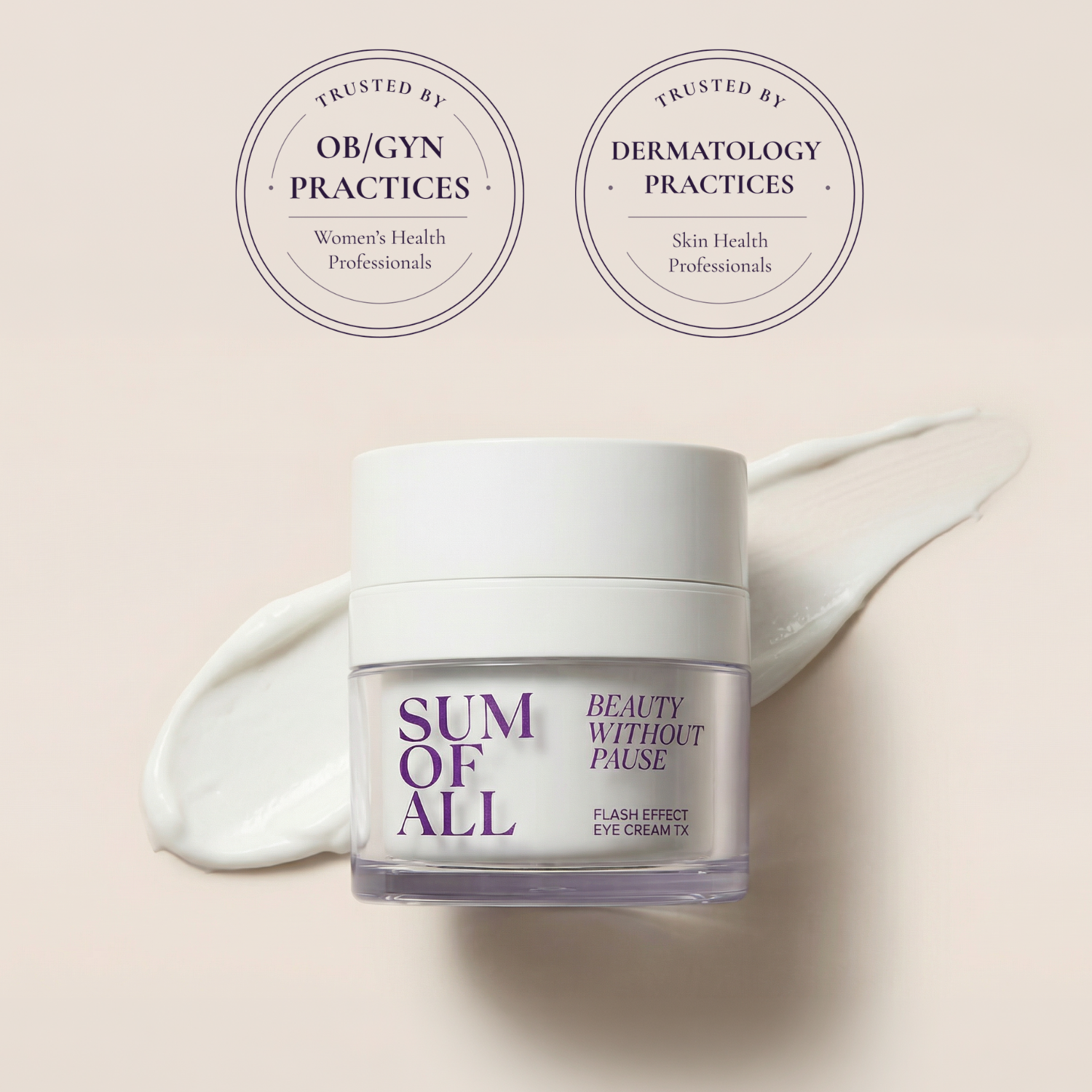
Forgetting daily sun protection is the slow one. Unprotected exposure drives oxidative stress and pigment changes that dim tone over years, so a morning SPF is one of the highest-return habits for lasting radiance. And chasing quick fixes rather than building consistency keeps many women stuck, because skin renewal simply takes time. For the full picture of caring for skin through this stage, our ultimate menopause skin care guide ties every piece together. You can also explore gentle, radiance-focused formulas designed for changing skin across the full Sum of All range.
Frequently Asked Questions
Why does my skin look so dull all of a sudden?
A sudden dull look usually traces back to dryness, a buildup of dead surface cells, or a run of poor sleep. In midlife, falling estrogen slows cell turnover and drains moisture from the skin, so light scatters instead of bouncing back evenly. Rehydrating, gently exfoliating, and getting consistent sleep often revives radiance within a couple of weeks.
Can menopause cause dull skin?
Yes. During menopause, lower estrogen reduces collagen, natural oils, and the speed of skin cell renewal. Skin becomes drier and thinner, and dead cells linger longer on the surface, which reads as dullness. Supporting the barrier with hydration, antioxidants, and gentle exfoliation helps counter that loss of glow.
What vitamin is best for dull skin?
Vitamin C is one of the most researched ingredients for radiance. It's an antioxidant that helps defend against daily oxidative stress and supports a brighter, more even tone over time. Vitamin E and niacinamide also help. For sensitive midlife skin, a stabilized or encapsulated vitamin C is gentler than a raw high-strength acid.
How long does it take to fix dull skin?
Hydration and gentle exfoliation can revive surface radiance within one to two weeks. Deeper changes tied to tone, texture, and barrier strength usually take four to twelve weeks of consistent care, since skin cell turnover slows with age. Patience and consistency matter more than any single strong product.
Does drinking water help dull skin?
Staying hydrated supports overall skin health, but drinking water alone won't fix dull skin. Most surface dullness comes from the skin's outer barrier losing moisture, so topical hydration and barrier care matter more. Pair good water intake with humectants and moisturizers to hold water where it counts.
Read more
Crepey skin is thin, loosely textured skin that looks and feels like crumpled crepe paper. It shows up most on the arms, neck, chest and under the eyes as collagen and elastin fade, sun damage a...
Sagging skin in midlife is the visible loss of firmness that happens when your skin's collagen and elastin decline, mostly driven by the drop in estrogen around menopause. It's normal, it's gradu...