






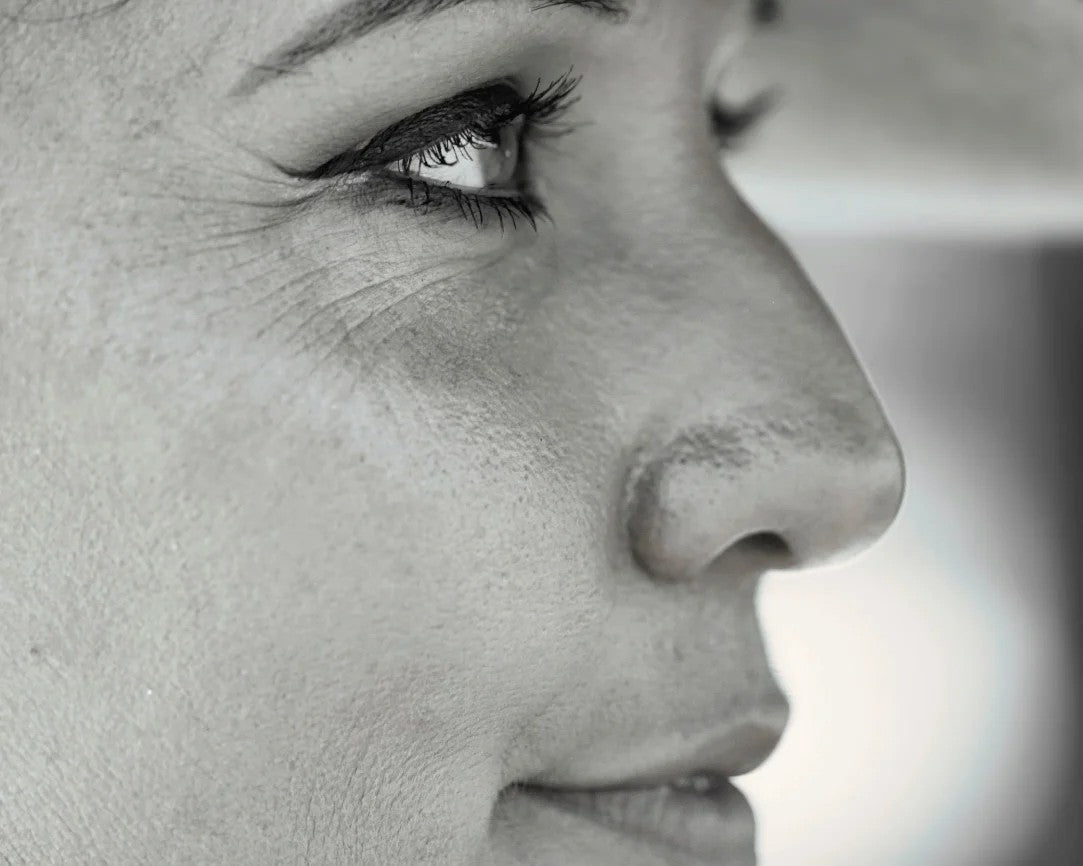
Sleep Lines & Smile Wrinkles: What They Reveal About Your Skin and How to Fix Them
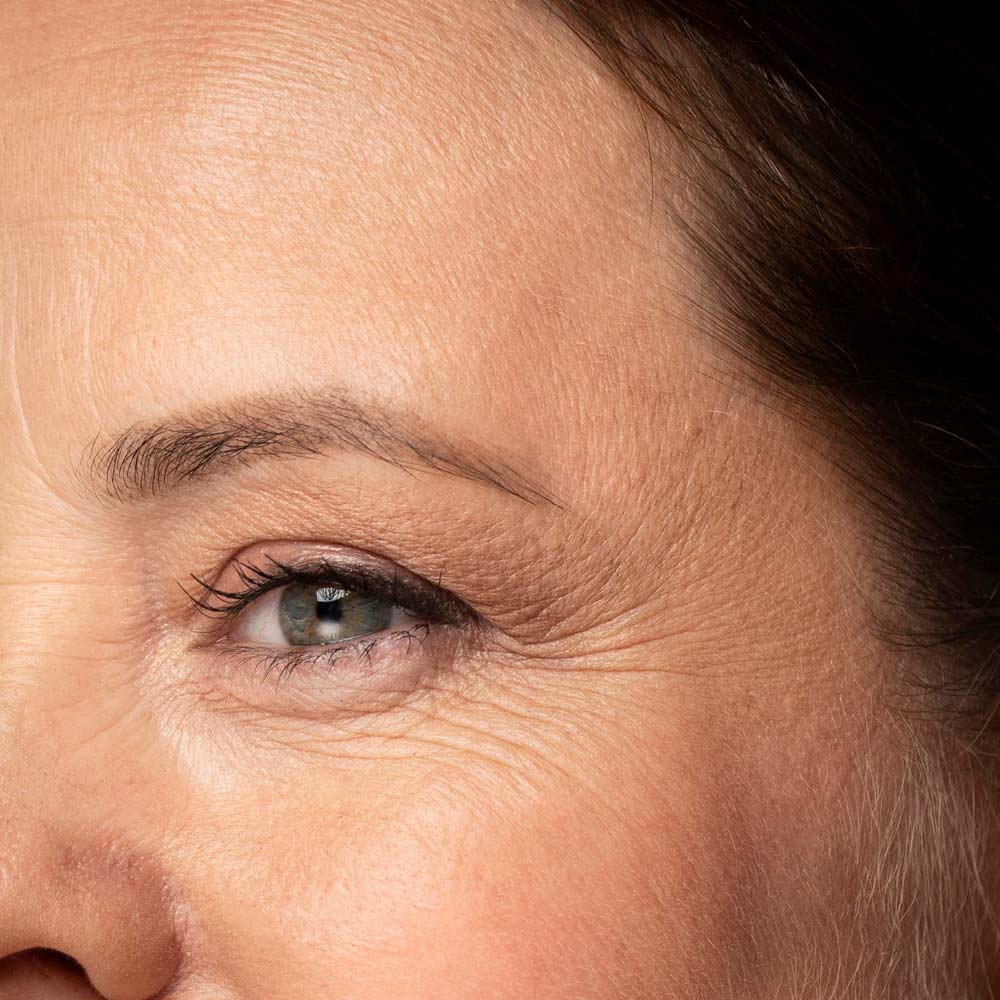
It was one of those mornings when you wake up and, before you even open your eyes, you can feel something is different. Maybe it is the way the light hits your face or the way your pillow still feels cool against your skin. But as I dragged myself out of bed, something caught my eye: sleep lines. Those deep creases I usually only noticed on days when I had not slept quite right. But this time, they were different. They were not fading away. They lingered, marking my skin like they had settled in for the long haul. And as I looked closer, I saw something else: the deepening lines around my mouth and eyes, smile wrinkles.
For years, I had smiled, laughed, and lived without thinking twice about the lines around my mouth. After all, they were just part of life, right? But today, they felt like something more, like a clear message my skin was sending me that things were changing.
As I stood there, staring at my reflection, I could not help but wonder what my skin was trying to tell me. Were sleep lines and smile wrinkles just normal signs of getting older, or was my skin asking me to take better care of it? That thought sent me on a journey to find out more about these lines and how I could fix them before they became permanent. What I discovered changed the way I thought about my skin and how I cared for it.
Sleep Lines: The Hidden Message Your Skin Is Sending You
What are sleep wrinkles, and how are they different from expression wrinkles? Sleep wrinkles, also called sleep lines, are creases caused by repeated facial compression, shear, and stress during sleep. Unlike smile wrinkles, which develop with repeated expressions such as smiling, laughing, and squinting, sleep wrinkles reflect facial pressure and sleeping position. As skin loses elasticity and collagen with age, temporary sleep creases can linger longer and become permanent.
I had never really thought much about sleep lines before. I just figured they were a natural part of sleeping, something that happened when I was tangled up in the sheets, face pressed into the pillow. But after some digging, I realized something: sleep lines are not just an inevitable consequence of rest; they are a sign of how our skin responds to mechanical pressure over time.
Research shows that compression, shear, and stress forces on the face during sleep can contribute to wrinkle formation and distortion of facial tissues over time. In other words, every time you sleep on your side or stomach, your face experiences repetitive stress that slowly etches lines into your skin.
In younger skin, elasticity and collagen allow these lines to bounce back. But with age, that recovery slows. Over time, those temporary creases become permanent markers of pressure and position.
I thought back to those mornings when I would wake up with creases that faded away after a few hours. But eventually, I started noticing they were lingering longer. That was my skin’s way of saying it needed more care.
How I Fixed It
I did not want to just accept sleep lines as part of the aging process. So, I made a few simple changes:
-
Sleeping on my back to avoid putting pressure on one side of my face every night.
-
Switching to a silk pillowcase. The smooth texture of silk reduces friction and helps prevent deeper creasing. Studies even suggest that sleeping on specially designed pillows can reduce wrinkle density over time.
Since making these changes, I have noticed a visible reduction in sleep lines. The silk pillowcase allows my skin to glide naturally, reducing tension and improving morning smoothness.
Smile Wrinkles: More Than Just Laughter Lines
Then there were my smile wrinkles, those fine lines that had always felt like proof of a life filled with laughter. But over time, they deepened. What I learned is that these are not just the marks of expression; they are signs of collagen and elastin breakdown, key proteins that keep our skin firm and supple.
With age, our skin’s production of collagen decreases naturally, and repetitive movements like smiling, laughing, or squinting create permanent creases. A clinical review has shown that loss of collagen and elastin contributes significantly to wrinkle formation and skin sagging.
How I Fixed It
To support my skin’s structure, I focused on ingredients proven to help boost collagen and improve elasticity:
-
Encapsulated retinol at night. Retinoids remain one of the most well-studied ingredients for stimulating collagen production and improving fine lines. Encapsulation allows gradual release into the skin, minimizing irritation while enhancing efficacy, making it ideal for midlife and sensitive skin.
-
Peptides for elasticity. Peptides help reinforce the skin’s structure by signaling the body to produce more collagen and elastin.
-
Hyaluronic acid for hydration. This powerhouse ingredient binds water in the skin, plumping fine lines and smoothing texture.
-
Collagen supplementation. Oral collagen peptides have been shown to improve skin hydration, elasticity, and reduce wrinkle depth in adults.
After a few months of consistency, my smile wrinkles looked softer. My skin felt firmer, and its natural bounce returned.
Preventing More Wrinkles: What I Learned About Skin Care and Aging
After experimenting with changes, I realized that while sleep lines and smile wrinkles are part of aging, they do not have to define it. With the right habits, you can help your skin stay smoother for longer.
Hydration Is Non-Negotiable
Hydrated skin looks plumper and healthier. I started drinking more water and using a hyaluronic acid serum to retain moisture. Hydration supports the skin barrier, helping it resist fine lines and dryness.
Daily Sunscreen Is a Must
UV exposure accelerates collagen breakdown and premature aging. I now wear broad-spectrum SPF 30 or higher every day, even indoors. Consistent sunscreen use is one of the most effective ways to slow wrinkle formation.
Incorporate Anti-Aging Ingredients
Encapsulated retinol and peptides form a powerful combination for midlife skin, improving firmness and reducing lines. Applying retinol at night followed by a peptide serum enhances elasticity and renewal.
Facial Massage for Firmness
Each morning, I spend a few minutes massaging my face upward to boost circulation. It is simple but effective in maintaining skin tone and reducing puffiness.
FAQs
How can I reduce sleep lines quickly?
Try sleeping on your back and switch to a silk pillowcase to minimize facial pressure and friction.
Can smile wrinkles be prevented?
While expression lines are natural, you can slow their progression by using collagen-boosting products like encapsulated retinol and peptides, staying hydrated, and wearing sunscreen daily.
How often should I use retinol for anti-aging?
Start with encapsulated retinol two to three times a week and increase frequency as your skin adjusts. Always follow with sunscreen in the morning.
Can I prevent new wrinkles from forming?
Yes. Regular hydration, sun protection, and consistent use of encapsulated retinol and peptides can slow wrinkle development and maintain firmness.
Final Words
Looking at my skin now, I realize that sleep lines and smile wrinkles are a natural part of aging, but they do not have to take over your reflection. By introducing hydration, collagen-boosting ingredients like encapsulated retinol and peptides, and consistent sun protection, your skin can look and feel smoother for longer.
Your skin is always communicating with you. It is not just about looking younger; it is about listening to what it needs and responding with care. Age with confidence. Your skin can stay resilient, radiant, and full of life.
Sources
Anson, G., et al. (2016). Sleep Wrinkles: Facial Aging and Facial Distortion During Sleep. Aesthetic Surgery Journal. View Study
Poljsak, B., et al. (2012). Intrinsic Skin Aging: The Role of Oxidative Stress. PubMed. View Study
Poljsak, B., et al. (2015). Sleeping on an Anti-Wrinkle Pillow Reduces Facial Wrinkles. SCIRP. View Study
Mukherjee, S., et al. (2006). Retinoids in the Treatment of Skin Aging: An Overview of Clinical Efficacy and Safety. Clinical Interventions in Aging. View Study
Cook, D., et al. (2024). Effects of Retinol, Natural Pea Peptide and Antioxidant Complex on Adult Skin. Journal of Cosmetic Dermatology. View Study
Lee, H., et al. (2023). Oral Supplementation with Low-Molecular-Weight Collagen Peptides Improves Skin Hydration and Elasticity in Adults. Food & Function. View Study
Read more

Your Skin Is Speaking, Here’s How to Hear It The whispers are there. A beloved moisturizer doesn’t absorb quite like it once did. Your cheeks feel a little tighter by evening. And that trusted foun...

For too long, the beauty industry has told women to fight against something inevitable. “Anti-aging.” “Wrinkle-defying.” “Turn back the clock.” These phrases have dominated skincare shelves and sha...