




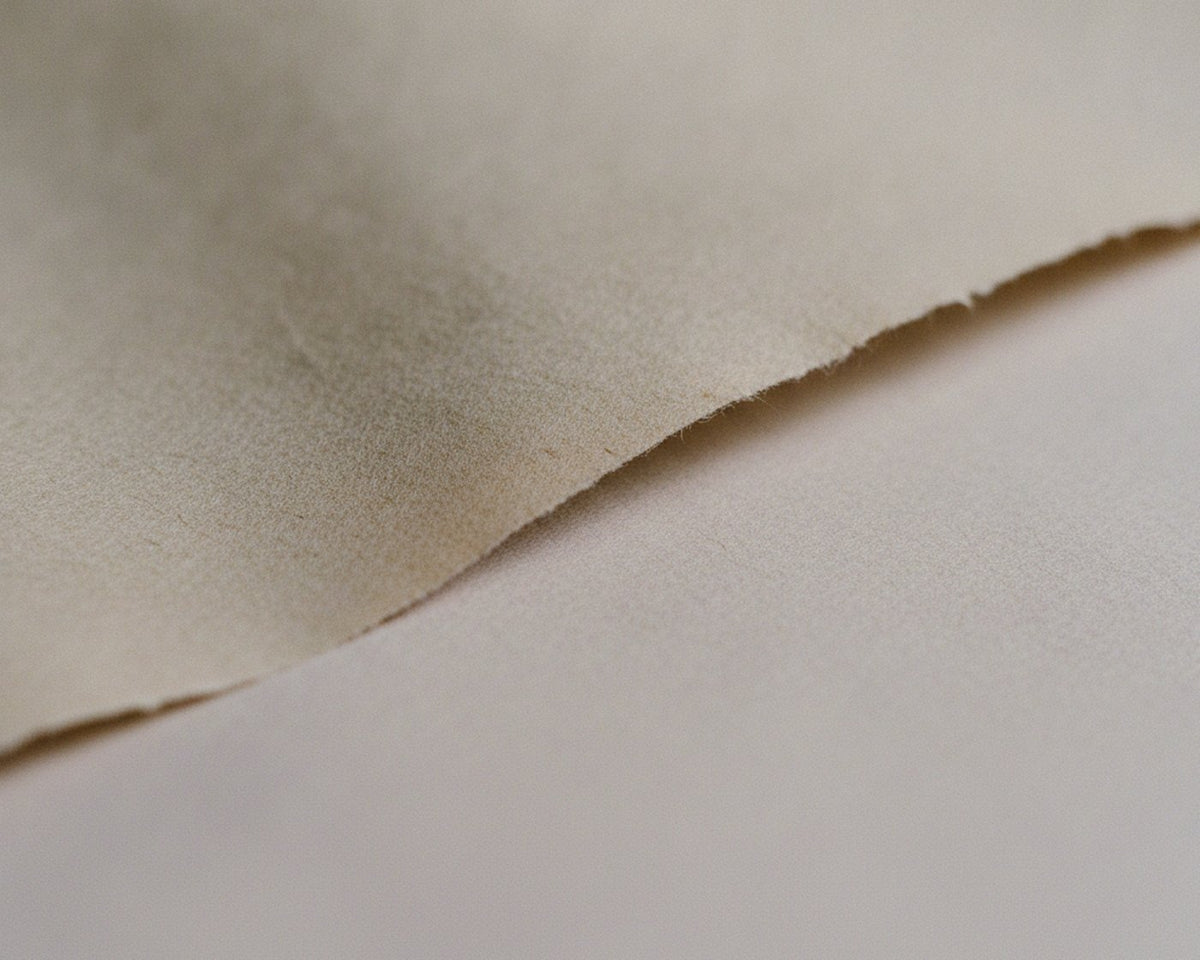
Crepey Skin: Causes and How to Treat It
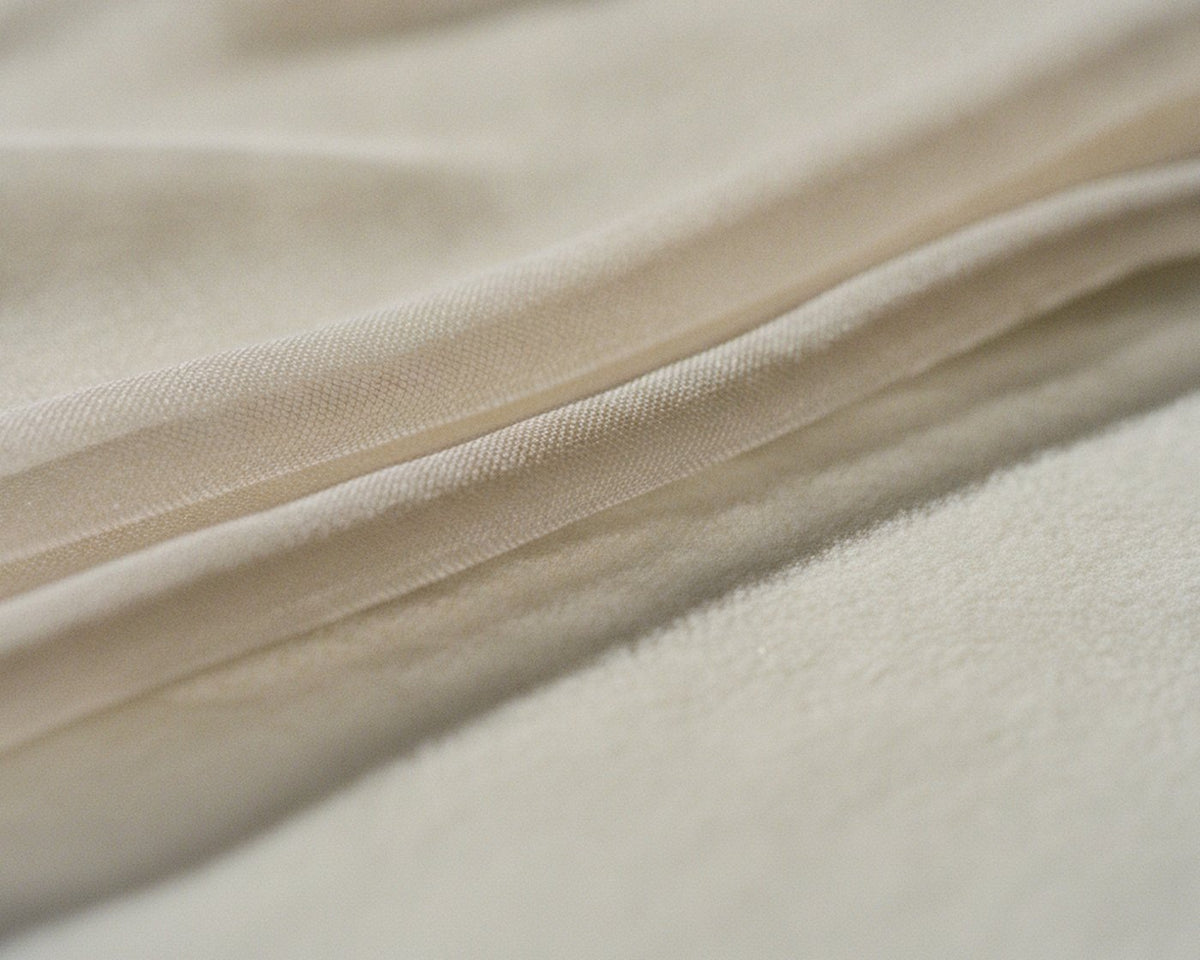
Crepey skin is thin, loosely textured skin that looks and feels like crumpled crepe paper. It shows up most on the arms, neck, chest and under the eyes as collagen and elastin fade, sun damage adds up and estrogen drops in midlife. The good news: with the right care, crepey skin can genuinely improve.
What this guide covers
- What is crepey skin?
- Crepey skin vs wrinkles
- What causes crepey skin?
- Where crepey skin shows up
- How to fix crepey skin: treatment and ingredients
- How to prevent crepey skin
- Frequently asked questions
What is crepey skin?
Crepey skin is a loss of collagen and elastin that leaves skin thin, fragile and finely wrinkled across a broad area, so it sags and folds like tissue paper when you pinch or move it. It is not the same as a single deep wrinkle, and it is not a sign that anything is wrong with your health. It is a normal, common change in maturing skin.
According to the Cleveland Clinic, crepey skin, unlike the wrinkles that come from repeated expressions, is closely linked to years of accumulated sun exposure breaking down the skin's elastin. The skin loses the springy scaffolding that once kept it taut, so the surface looks slack and etched with tiny lines. It often appears earlier and more noticeably in the delicate, thin-skinned zones of the body. Understanding this changing skin is the first step, and our ultimate guide to menopause skin care puts it in wider context.
Crepey skin vs wrinkles: what's the difference?
Crepey skin and wrinkles are related but not identical, and knowing the difference helps you choose the right care. The crepey skin vs wrinkles distinction comes down to area, cause and feel. Wrinkles are individual creases pressed into the skin by repeated movement or folding. Crepey skin is a wider zone of thin, papery laxity.
| Feature | Crepey skin | Wrinkles |
|---|---|---|
| Area affected | Broad patches (arms, neck, chest) | Localized single lines |
| Main driver | Collagen/elastin loss + sun damage | Repeated muscle movement, folding |
| Texture | Thin, papery, finely lined | Distinct crease in firmer skin |
| Feel when pinched | Loose, slow to spring back | Skin still resilient around the line |
| Typical onset | 40s onward, faster after menopause | Any adult age, movement-related |
Many women in midlife notice both at once, which is completely normal. If your concern is fine lines from sleeping or smiling rather than papery texture, our piece on sleep lines and smile wrinkles goes deeper on those.
What causes crepey skin?
Crepey skin is caused by anything that depletes collagen and elastin faster than your body rebuilds them. Three forces do most of the damage: time and hormonal change, sun exposure, and dehydration of the skin barrier. They usually work together, which is why crepey skin often appears in midlife.
According to the Cleveland Clinic, the estrogen decline of perimenopause and menopause speeds up collagen loss, thins the skin and reduces its ability to hold water. Research cited by the Menopause Society suggests women can lose a significant share of their skin collagen in the first five years after menopause. That is a big structural change in a short window, and it explains why so many women see crepey skin arrive around this stage.
| Cause | How it drives crepey skin |
|---|---|
| Estrogen loss (midlife) | Slows collagen and elastin production, thins the dermis, reduces water-holding |
| UV / sun damage | Breaks down existing collagen and elastin fibers over years |
| Chronological aging | Natural, gradual slowdown in skin renewal |
| Dehydration & weak barrier | Makes thin skin look more crinkled and fragile |
| Rapid weight change | Leaves skin stretched with less elastic recoil |
Because estrogen is such a central factor, it is worth understanding the whole picture. Our articles on collagen and menopause and low-estrogen skin signs and solutions unpack the hormonal side in detail.
Where crepey skin shows up: arms, neck and more
Crepey skin favors areas where skin is naturally thin and gets heavy sun exposure. Crepey skin on arms is one of the most common complaints, especially on the upper arms and inner elbow, because that skin is delicate and rarely protected with sunscreen. The neck, chest and under-eye area follow closely for the same reasons.
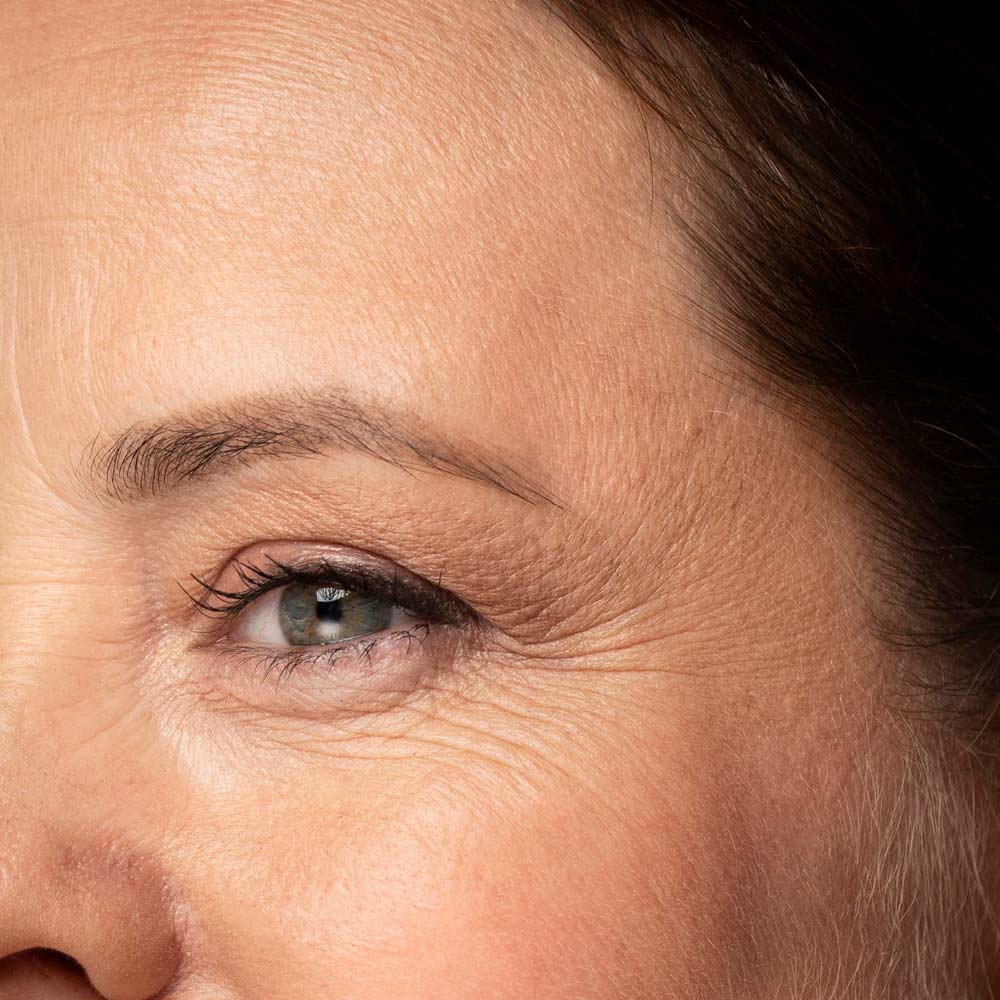
The décolleté, or upper chest, is a classic trouble spot. It catches sun through car windows and open necklines for decades, yet most people stop their skincare at the jawline. The under-eye skin is the thinnest on the body, so it turns crepey early. According to research published on PubMed, estrogen loss reduces skin thickness and dermal collagen throughout the body, which is why these thin zones show change first.
- Upper and inner arms: thin, sun-exposed, often the earliest sign.
- Neck: constant movement plus thin skin and sun.
- Décolleté / chest: years of incidental sun, usually unprotected.
- Under eyes: the thinnest skin on the body, quick to crinkle.
- Hands: heavily exposed and frequently washed.
Treat these areas as an extension of your face. Whatever you apply to your cheeks can and should continue down onto the neck and chest.
How to fix crepey skin: treatment and ingredients
The best crepey skin treatment combines ingredients that rebuild support with rich hydration and daily sun protection. There is no overnight fix, but consistent care visibly smooths and firms the skin over weeks and months. When people ask how to fix crepey skin, the honest answer is a simple routine done reliably, not a single miracle product.
Start with a collagen-supporting active such as a retinoid or gentler bakuchiol, layer in peptides and antioxidants, then seal everything with a barrier-strengthening moisturizer. According to the American Academy of Dermatology, retinol and moisturizers with proven hydrators are among the most reliable at-home options for softening crepey skin.
| Ingredient | What it does for crepey skin |
|---|---|
| Retinoids / bakuchiol | Support collagen renewal and refine texture |
| Peptides | Signal firmness and help skin feel more resilient |
| Vitamin C | Antioxidant defense, supports collagen, evens tone |
| Hyaluronic acid & glycerin | Draw in water to plump thin, crinkled skin |
| Ceramides & plant oils | Rebuild the barrier so skin holds moisture |
A supportive antioxidant like our encapsulated vitamin C pairs well with firmness-focused plant-based collagen peptides for changing skin. A nourishing night cream for aging skin then locks in the work overnight. You can see the full lineup in our complete collection. These are designed to support and hydrate the skin, not to make medical claims.
How to prevent crepey skin
Preventing crepey skin comes down to protecting the collagen and moisture you still have. Prevention is mostly about daily sun protection and steady hydration. It is not about expensive one-off treatments. The habits are simple, and they pay off for decades.
Broad-spectrum SPF 30 or higher every morning is the single most effective step, since UV exposure is the biggest external cause of collagen breakdown. Extend it to your neck, chest and the backs of your hands, not just your face. Keep skin well hydrated inside and out: drink water, and use a moisturizer that reinforces the barrier so thin skin stays supple. A damaged barrier makes crepey skin look worse, so our guide to skin barrier repair is a useful companion here.
- Apply broad-spectrum SPF daily, reapplying with sun exposure.
- Moisturize morning and night, carrying products down to neck and chest.
- Support the barrier with ceramides, glycerin and plant oils.
- Avoid smoking and limit very hot, stripping showers.
- Introduce a collagen-supporting active early rather than waiting.
Dryness makes everything look more crinkled, so if your skin has turned parched in midlife, our explainer on perimenopause dry skin is worth a read alongside this one.
Frequently asked questions
Is crepey skin the same as wrinkles?
No. Crepey skin is a broad area of thin, loosely textured skin that looks like crepe paper, usually caused by collagen and elastin loss plus sun exposure. Wrinkles are individual creases from repeated movement or folding. You can have crepey skin without deep wrinkles, and the two often appear together in midlife.
Can crepey skin be reversed?
Mild crepey skin can improve significantly with consistent care. Ingredients like retinoids, peptides, vitamin C and rich moisturizers help rebuild support and plump the surface over several months. Advanced crepey skin may soften but not fully disappear, which is why daily sun protection and hydration matter most for prevention.
Why is the crepey skin on my arms getting worse in menopause?
Falling estrogen accelerates collagen and elastin loss, and the skin on the arms is thin and heavily sun-exposed. Research suggests women can lose a large share of skin collagen in the first years after menopause, so crepey skin on arms often becomes more noticeable during this time.
What ingredients work best for crepey skin?
Look for retinoids or bakuchiol to support collagen, peptides for firmness, vitamin C for antioxidant defense and brightening, plus hyaluronic acid, glycerin, ceramides and rich plant oils to hydrate and strengthen the barrier. Broad-spectrum SPF every morning protects the results you build.
How long does it take to improve crepey skin?
Hydration can make skin look smoother within days, but real change in texture and firmness takes time. Most people notice a difference after eight to twelve weeks of consistent use, with fuller results around the six-month mark as collagen support builds gradually.