







Skincare Over 40: What to Change in Your Routine
Skincare Over 40: What to Change in Your Routine
Skincare over 40 is the deliberate shift to ingredients that rebuild collagen, replace lost lipids, and protect against further estrogen-related decline. The non-negotiables are daily SPF, a retinoid, vitamin C, a peptide serum, and a barrier-rich moisturizer. Done properly, this five-step approach supports skin for the next decade.
Table of Contents
- Why Your Skin Changes After 40
- The Non-Negotiable Ingredients for Skin Over 40
- Morning Routine for Women Over 40
- Evening Routine for Women Over 40
- Skincare Mistakes That Age You Faster After 40
- When to Upgrade From Drugstore to Clinical Skincare
- Frequently Asked Questions
Why Your Skin Changes After 40
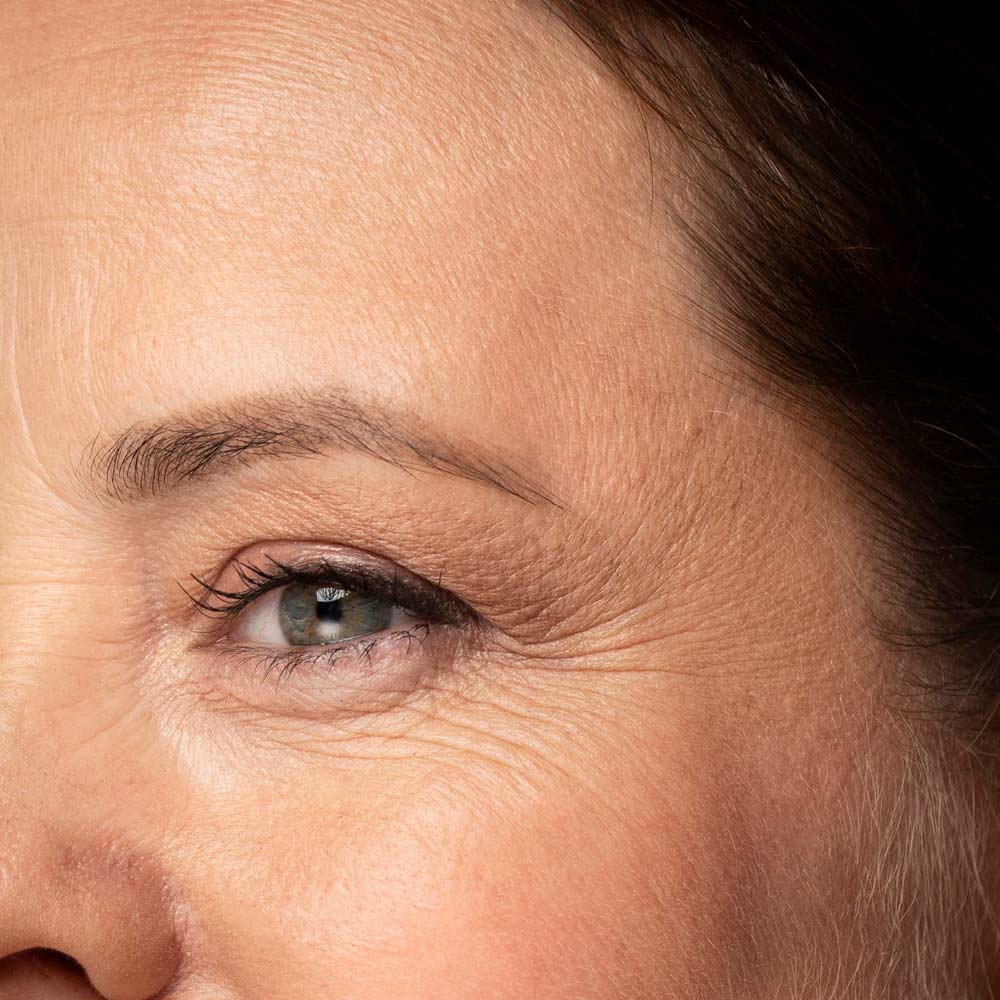
The shift you're noticing is biological, not cosmetic. Skincare over 40 is a response to hormonal change, not a vanity project. From around age 40, collagen production drops by roughly 1% per year, and the decline accelerates as you move into perimenopause. According to the NAMS, estrogen — which helps skin retain moisture, produce ceramides and maintain thickness — begins to fluctuate and then fall.
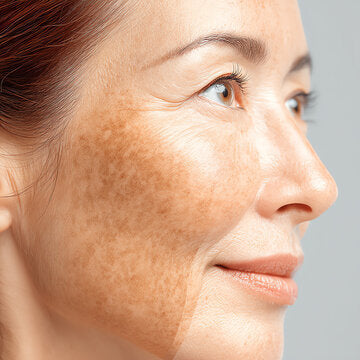
You'll likely notice a few things at once: fine lines that used to disappear by lunchtime now stay put, your jawline feels softer, pigmentation from a holiday five years ago resurfaces, and your cheeks feel tight by mid-afternoon. This isn't a sign that you've neglected your skin. It's a sign that your skin is entering a new chapter and needs different support.
According to the British Menopause Society, perimenopause can start as early as your late thirties and often goes unrecognized for years. If you want to go deeper, our guide to perimenopause and skin changes explains what's happening at the cellular level and why timing your routine upgrade early makes such a difference.
The Non-Negotiable Ingredients for Skin Over 40
If you strip skincare over 40 back to essentials, a short list of ingredients does most of the heavy lifting. According to the AAD, these are the actives with the strongest evidence behind them for mature skin.
| Ingredient | What it does | When to use |
|---|---|---|
| Retinoid (retinol, retinal) | Speeds cell turnover, stimulates collagen, softens fine lines and pigmentation | Evening, 3-5 nights per week |
| Vitamin C (L-ascorbic acid) | Brightens, protects against free radicals, supports collagen synthesis | Morning, under SPF |
| Peptides | Signal skin to produce collagen and elastin; strengthen barrier | Morning and evening |
| Niacinamide | Reduces redness, supports barrier, evens tone | Morning or evening |
| Hyaluronic acid | Binds water into skin, plumps fine lines | Morning and evening, on damp skin |
| Ceramides | Rebuild the lipid barrier, lock in moisture | Evening, in moisturizer |
| Broad-spectrum SPF 30+ | Prevents 80% of visible aging | Every morning, rain or shine |
You don't need every one of these in a separate bottle. A well-formulated serum can combine peptides, niacinamide and hyaluronic acid in a single step — which is exactly how our AP2 Complex is built. For more on choosing peptides, see peptides for aging skin.
Morning Routine for Women Over 40
Mornings are about protection. You're defending your skin against UV, pollution and oxidative stress for the next twelve hours, so every step should either shield or support the barrier. Keep it simple enough that you'll actually do it every day.
- Cleanse gently. Use a cream or milk cleanser, or simply splash with lukewarm water. Foaming cleansers strip the lipids your skin is already struggling to produce.
- Apply a vitamin C serum. A stable 10-15% vitamin C evens tone and boosts SPF performance. Let it sink in for 60 seconds.
- Layer a peptide or growth-factor serum. This is where our Collagen Boosting Serum sits — peptides plus humectants to hydrate and signal collagen synthesis.
- Moisturize. Choose a moisturizer with ceramides, squalane or shea butter. Skin over 40 rarely benefits from gel textures alone.
- SPF, always. Broad-spectrum SPF 30 minimum, SPF 50 if you're outdoors or near windows.
That's five steps, and most take ten seconds. The only one that's non-negotiable is the SPF — if you do nothing else, do that. According to the Mayo Clinic, daily sunscreen is the single highest-impact anti-aging intervention available.
Evening Routine for Women Over 40
Evenings are about repair. Skin does most of its regeneration between 10pm and 2am, so your PM routine should feed that process, not interrupt it. This is where the heavier actives go.
- Double cleanse. Start with an oil or balm to remove SPF, makeup and sebum, then follow with a cream cleanser.
- Apply a treatment serum. Alternate nights between a retinoid and a resurfacing acid. Our Overnight Resurfacing Serum uses a blend of lactic and polyhydroxy acids.
- Follow with a hydrating or repair serum if you're using a strong retinoid. Peptides and hyaluronic acid help buffer any dryness.
- Seal with a rich night cream. The Replenishing Night Cream is formulated with ceramides and plant oils.
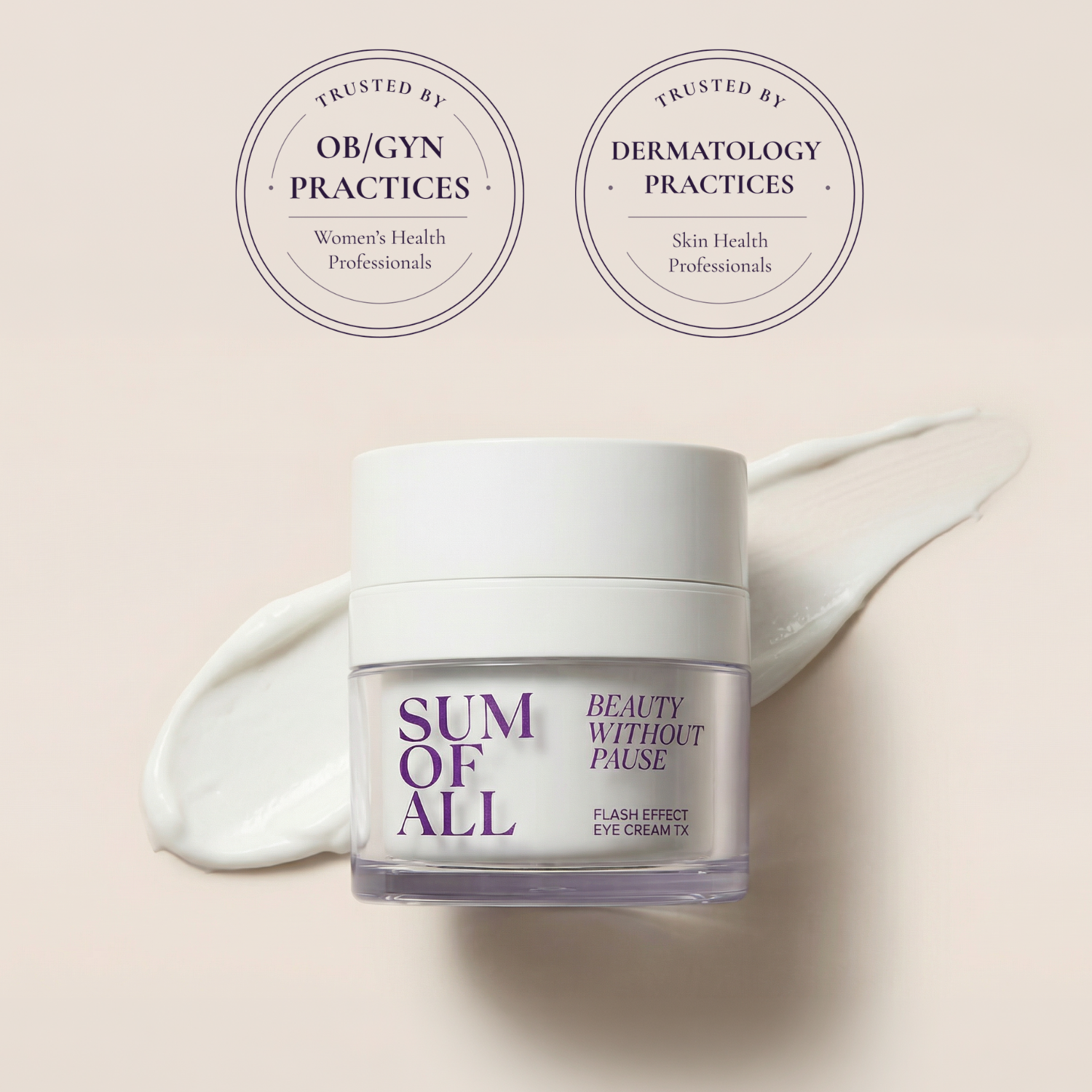
- Eye cream, optional but useful. The skin around the eyes thins first and shows change earliest.
Don't layer every active every night. Retinoid on Monday, Wednesday, Friday; resurfacing serum on Tuesday, Thursday; Saturday and Sunday as recovery nights. This rotation is how you get results without compromising the barrier.
Skincare Mistakes That Age You Faster After 40
Most of the damage in skincare over 40 comes not from what women are failing to do, but from what they're doing too aggressively. More products is not the same as better skin.
| Mistake | Why it backfires | Fix |
|---|---|---|
| Over-exfoliating | Strips the barrier faster than it can rebuild | Pick one or two exfoliating actives, rotate them |
| Skipping SPF on cloudy days | UVA comes through clouds and glass | Daily broad-spectrum SPF, no exceptions |
| Chasing trends over fundamentals | Glass skin and snail mucin are not the spine of a routine | Retinoid, vitamin C, moisturizer, SPF |
| Ignoring neck and hands | These areas have fewer oil glands and age faster | Extend every product to collarbones and hands |
| Treating everything as dryness | Often the real issue is hormonal | Read up on hormonal skin changes |
According to Harvard Health, UVA — the ray most responsible for wrinkles, sagging and pigmentation — penetrates clouds and glass year-round. If your skin has changed suddenly and dramatically, it's worth reading our piece on hormonal skin changes in your 40s before spending on more moisturizer.
When to Upgrade From Drugstore to Clinical Skincare
There's nothing wrong with drugstore skincare in your twenties and thirties. For many women, it's entirely enough. Skincare over 40 is where the calculation shifts, because the actives that mature skin needs — stable vitamin C, well-formulated retinoids, peptide complexes, ceramide-rich moisturizers — are expensive to formulate properly, and cheaper brands tend to under-dose them.
You don't need to replace everything at once. A sensible upgrade path looks like this: start with your treatment serum, because that's where active concentration matters most. Upgrade your moisturizer next, because barrier support becomes critical after 40. Keep your cleanser and SPF affordable if you like — those are the two categories where drugstore options still perform well.
Clinical skincare isn't about luxury packaging or celebrity endorsements. It's about formulation integrity: stable actives at effective concentrations, pH-balanced for absorption, and tested on mature skin rather than twenty-somethings. If a product doesn't tell you the percentage of its active, it probably isn't enough.
The final thing to know is that skincare over 40 is a long game. You won't see dramatic results in a week. Give a new routine twelve weeks before you judge it, photograph your skin in the same light at the start, and be patient with the process. For more, see our companion guides on low estrogen skin, thinning skin in menopause, and building a menopause-friendly routine.
Frequently Asked Questions
Is it too late to start a proper skincare routine at 45? Absolutely not. Skin responds to good care at any age. Women starting a proper routine in their late forties often see more dramatic results than those who have been using the same products for a decade, simply because the change is bigger.
Do I really need a retinoid if my skin is sensitive? Yes, but start low and slow. Begin with a 0.1% or 0.2% retinol twice a week, always at night, always followed by moisturizer. Most sensitivity comes from using too much too soon, not from the ingredient itself.
Can I use vitamin C and retinol together? Not at the same time of day. Vitamin C in the morning, retinol at night. They work beautifully as a pair but can irritate skin when layered.
Is expensive skincare actually better after 40? Sometimes. The difference is in formulation, not packaging. Look for clinical brands that disclose active percentages and use stable forms of key ingredients. Price alone is not a reliable guide.
How long before I see results from a new routine? Expect six weeks for hydration and tone, twelve weeks for fine lines and firmness, and six months for pigmentation. Take photos so you can see the change — daily progress is invisible in the mirror.
Should I be worried about perimenopause affecting my skin? Worried, no. Informed, yes. Perimenopause can start in your late thirties and skin changes are often the first sign. Understanding what's happening hormonally helps you choose the right products and set realistic expectations.
Is face oil necessary for skin over 40? Not necessary, but helpful for many. If your moisturizer alone leaves skin feeling tight by morning, a few drops of a plant oil pressed in as the final step can make a noticeable difference.
Written by Stacy. Reviewed by the Sum of All Editorial Team.
Read more
Best Serums for Aging Skin Over 50 (2026) The best serum for aging skin over 50 is one formulated for post-menopausal biology: peptide-rich to rebuild collagen, deeply hydrating to counter estro...

Thinning Skin During Menopause: Causes and Fixes Thinning skin menopause is the structural loss of collagen, elastin and dermal density driven by falling estrogen. It is not fully reversible, b...