



Perimenopause Skin Changes: What to Expect
Perimenopause Skin Changes: What to Expect
Perimenopause skin changes are the predictable shifts in texture, tone, hydration, and resilience that occur as estrogen begins to fluctuate and decline, typically starting in your mid-thirties. The seven most common shifts are dryness, thinning, loss of firmness, dullness, increased sensitivity, hormonal breakouts, and slower wound healing. Most women notice these changes gradually between ages 35 and 55, and they can be managed with a hormone-conscious routine focused on barrier repair, collagen support, and gentle resurfacing.
This guide walks you through what's happening beneath the surface, when to expect each shift, and how to adapt your skincare so your skin feels like itself again.
Table of Contents
- What Happens to Your Skin During Perimenopause?
- The Seven Predictable Skin Shifts After 35
- How Estrogen Decline Changes Skin Structure
- Perimenopause Skin Changes by Age: 35 to 55
- Skincare Adjustments for Each Stage of Change
- How to Protect Collagen During Perimenopause
- Frequently Asked Questions
What Happens to Your Skin During Perimenopause?
Perimenopause is the transitional phase before menopause, often lasting four to ten years, when ovarian hormone production becomes irregular. According to the British Menopause Society, your skin is one of the largest estrogen-responsive organs in the body, which means it feels these hormonal shifts directly and often early.
During this phase, estrogen levels don't simply drop in a straight line. They swing, spike, and fall, and your skin reflects that volatility. One week your complexion may feel plump and clear; the next it may feel tight, dry, or unexpectedly broken out. This is normal, and it's not a sign that your skincare has stopped working.
Perimenopause skin changes are driven by three main biological shifts:
- Declining estrogen, which reduces collagen production and slows oil output.
- A relative rise in androgens, which can trigger jawline breakouts and coarser hair.
- A weakening skin barrier, which struggles to hold water and defend against irritants.
The result is skin that behaves differently than it did in your twenties or early thirties, even if you haven't changed a single product. Perimenopause skin changes are not a sign of damage or neglect — they're a biological response to hormonal shifts. Understanding the underlying cause is the first step to choosing the right routine. For related symptoms, see perimenopause skin problems.
The Seven Predictable Skin Shifts After 35
While every woman's experience is unique, dermatology research consistently points to seven common perimenopause skin changes. You may experience all of them, or only a handful, and they rarely arrive all at once.
- Dryness and tightness as sebaceous glands slow down and the barrier weakens.
- Thinning skin, particularly on the cheeks, neck, and backs of the hands.
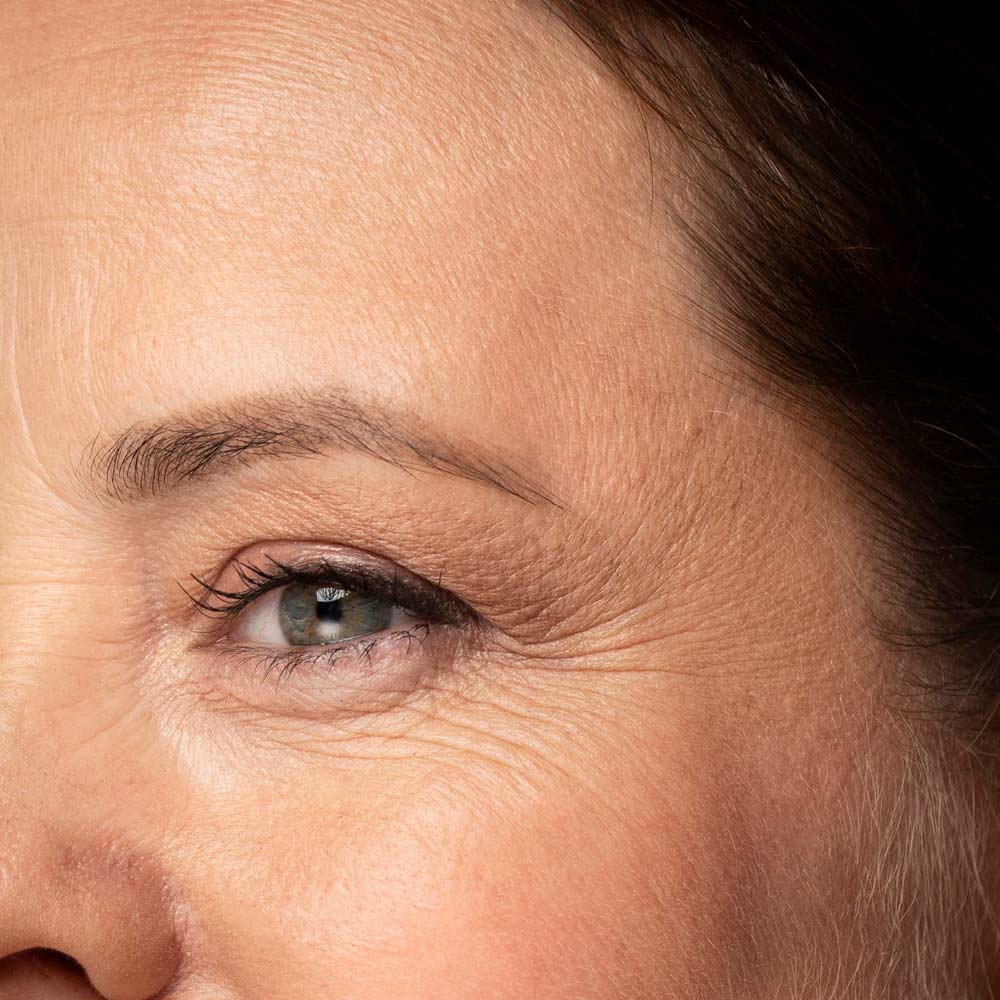
- Loss of firmness along the jawline, around the eyes, and at the corners of the mouth.
- Dullness as cell turnover lengthens from roughly 28 days to 40 or more.
- Increased sensitivity, redness, and reactivity to products you previously tolerated.
- Hormonal breakouts, often along the chin and jawline, even if you never had teen acne.
- Slower wound healing and longer-lasting marks from spots or small injuries.
These shifts are gradual, not sudden. Most women notice one or two first, often dryness or jawline laxity, before others appear. Tracking which changes affect you most makes it easier to build a routine that targets your real concerns rather than chasing every trend. If itching is part of your picture, our perimenopause itchy skin guide goes deeper.
How Estrogen Decline Changes Skin Structure
Estrogen is not just a reproductive hormone. According to the Cleveland Clinic, in skin it stimulates fibroblasts to produce collagen and elastin, supports hyaluronic acid synthesis, regulates sebum, and helps maintain barrier lipids. When estrogen drops, every one of these functions slows.
Research published in dermatology journals suggests that women can lose a meaningful proportion of skin collagen in the first five years after menopause, with measurable thinning continuing for years afterwards. Perimenopause is when that decline begins, which is why your mid-thirties to mid-forties are such an important window for prevention.
Here's what changes structurally:
- Dermis: Collagen and elastin fibers become fewer and more fragmented, reducing bounce and firmness.
- Epidermis: The outermost layer thins and cell turnover slows, dulling the surface and trapping pigment.
- Barrier: Ceramide and fatty acid production drops, so water escapes more easily and irritants penetrate more deeply.
- Microcirculation: Blood flow to the skin decreases, contributing to a paler or more uneven tone.
Perimenopause skin changes are not a sign of poor hygiene or permanent damage — they're a biological response to hormonal change, and the right routine can meaningfully soften their impact.
Perimenopause Skin Changes by Age: 35 to 55
The table below maps the seven shifts against the typical age window when women first notice them. Use it as a guide, not a deadline. Genetics, sun exposure, stress, sleep, and overall health all influence timing.
| Age Range | Hormonal Stage | Most Common Skin Shifts | Routine Focus |
|---|---|---|---|
| 35 to 39 | Early perimenopause | Dullness, occasional dryness, first signs of jawline breakouts | Barrier support, gentle resurfacing |
| 40 to 44 | Mid perimenopause | Persistent dryness, loss of glow, slower healing | Hydration, collagen support, antioxidants |
| 45 to 49 | Late perimenopause | Thinning skin, jawline laxity, increased sensitivity | Peptides, ceramides, gentle exfoliation |
| 50 to 52 | Menopause transition | Marked dryness, fine lines, uneven tone | Rich moisturizers, overnight repair |
| 53 to 55 | Early postmenopause | Continued thinning, loss of firmness, slower turnover | Collagen-supporting actives, barrier lipids |
This timeline is a pattern, not a prescription. Some women notice perimenopause skin changes as early as 33, while others sail through their forties with minimal disruption and feel the shift more sharply at 50. The point is to recognize the change when it arrives, rather than dismiss it as a one-off bad skin week.
Skincare Adjustments for Each Stage of Change
The biggest mistake women make during perimenopause is treating their skin the same way they did at 28. The actives that worked then, often high-strength acids and strong retinoids used nightly, can now provoke the very sensitivity and dryness they're trying to fix. According to the American Academy of Dermatology, a hormone-conscious approach is gentler, more consistent, and more focused on supporting the barrier.
Here's how to adjust at each stage:
- Early perimenopause (35 to 39): Introduce a peptide serum and a gentle resurfacing step two or three nights a week. Our Overnight Resurfacing Serum is formulated to renew tone without stripping the barrier.
- Mid perimenopause (40 to 44): Add daily antioxidant support and a richer moisturizer. This is the right window to begin a dedicated collagen-supporting serum such as our Collagen Boosting Serum.
- Late perimenopause (45 to 49): Layer hydration and lipid replenishment morning and night. Reduce strong actives to once or twice a week if your skin is reacting.
- Menopause and beyond (50+): Prioritize overnight repair with a barrier-rich Replenishing Night Cream and continue daily SPF without exception.
Across every stage, our AP2 Complex is designed to work with hormonally sensitive skin rather than against it, supporting firmness and resilience without overloading reactive complexions. For specific dryness support, see perimenopause dry skin; for inflammation, see perimenopause skin rash.
How to Protect Collagen During Perimenopause
Collagen loss is the single biggest structural change in perimenopausal skin, and it's also the most influenceable. You can't stop estrogen from declining, but you can dramatically slow the visible loss of firmness with consistent habits.
According to the Mayo Clinic, daily broad-spectrum SPF is the most effective collagen-protecting step you can take. UV exposure is responsible for the majority of visible aging, and skin becomes more vulnerable to it as estrogen drops. Wear it every day, even in winter, even indoors near windows.
Beyond sunscreen, focus on:
- Peptides, which signal fibroblasts to produce more collagen.
- Vitamin C, which is essential for collagen synthesis and brightens dull tone.
- Gentle retinoids or retinol alternatives, used a few nights a week rather than daily.
- Adequate protein and sleep, both of which support overnight repair.
- A consistent, layered evening routine that seals in actives and supports barrier recovery while you rest.
| Habit | Frequency | Collagen Impact |
|---|---|---|
| Broad-spectrum SPF 30+ | Daily | High — prevents UV breakdown |
| Peptide serum | Daily | High — signals new production |
| Vitamin C serum | Daily AM | Medium — supports synthesis |
| Retinal | 2-4 nights/week | High — boosts turnover |
| 7-9h sleep | Daily | Medium — overnight repair |
Consistency matters more than intensity. Six months of a gentle, well-formulated routine will outperform six weeks of aggressive treatments that leave your skin red and reactive.
Frequently Asked Questions
At what age do perimenopause skin changes usually start? Most women notice the first perimenopause skin changes between ages 35 and 42, although some experience them earlier. Dullness and occasional dryness are typically the first signs, followed by changes in firmness and texture over the following years.
Can perimenopause cause acne even if I never had it before? Yes. As estrogen declines, the relative influence of androgens increases, which can trigger hormonal breakouts along the jawline and chin. This is one of the most common and most surprising perimenopause skin changes, and it often responds to gentle, barrier-supportive care rather than harsh acne treatments.
Why is my skin suddenly dry when it used to be oily? Sebaceous glands slow down as estrogen drops, reducing oil production. At the same time, your barrier produces fewer ceramides and fatty acids, so water evaporates more easily. The combination shifts many women from oily or combination skin to noticeably drier skin within just a few years.
Is it too late to start a hormone-conscious skincare routine in my fifties? No. While your mid-thirties to mid-forties are an ideal prevention window, skin remains responsive to good care at every age. Women starting a barrier-focused, collagen-supporting routine in their fifties still see meaningful improvements in hydration, comfort, and firmness within a few months.
Do I need different products for perimenopause, or can I just use stronger versions of what I already have? Stronger is rarely better during perimenopause. Skin is more reactive and slower to heal, so high-strength acids and aggressive retinoids often backfire. Hormone-conscious formulations are designed to deliver active ingredients in a way that supports rather than strains a more sensitive barrier.
Will HRT reverse perimenopause skin changes? Some women on hormone replacement therapy report improvements in skin hydration and firmness, and there's research to support an effect on collagen. However, HRT is a medical decision made with your doctor, and skincare remains an important part of supporting your skin regardless of whether you take it.
How long does it take to see results from a new perimenopause routine? Expect noticeable improvements in hydration and comfort within two to four weeks, and changes in firmness, tone, and resilience over three to six months. Skin renewal is slower in perimenopause, so patience and consistency matter more than ever.
Written by Stacey. Reviewed by the Sum of All Editorial Team.