





Best Collagen Supplements for Menopause (2026)
Best Collagen Supplements for Menopause (2026)
The best collagen supplements for menopause are hydrolyzed Type I and III peptides taken at 10–15g daily, ideally paired with vitamin C. Most women see firmer, better-hydrated skin after 8–12 weeks of consistent use. For many, a well-formulated topical collagen booster delivers visible results faster, with fewer digestive trade-offs.
Table of Contents
- Do Collagen Supplements Work for Menopausal Skin?
- Types of Collagen: Which Is Best for Menopause?
- Top Collagen Supplements Compared
- Collagen Peptides vs Hydrolyzed Collagen
- How Long Before Results Show
- Topical Collagen Boosters: A Better Alternative?
- Frequently Asked Questions
Do Collagen Supplements Work for Menopausal Skin?
Oral collagen peptides do work for menopausal skin, but they're not magic. Estrogen is the hormone that tells your fibroblasts to produce collagen, and during perimenopause and menopause estrogen levels drop sharply.
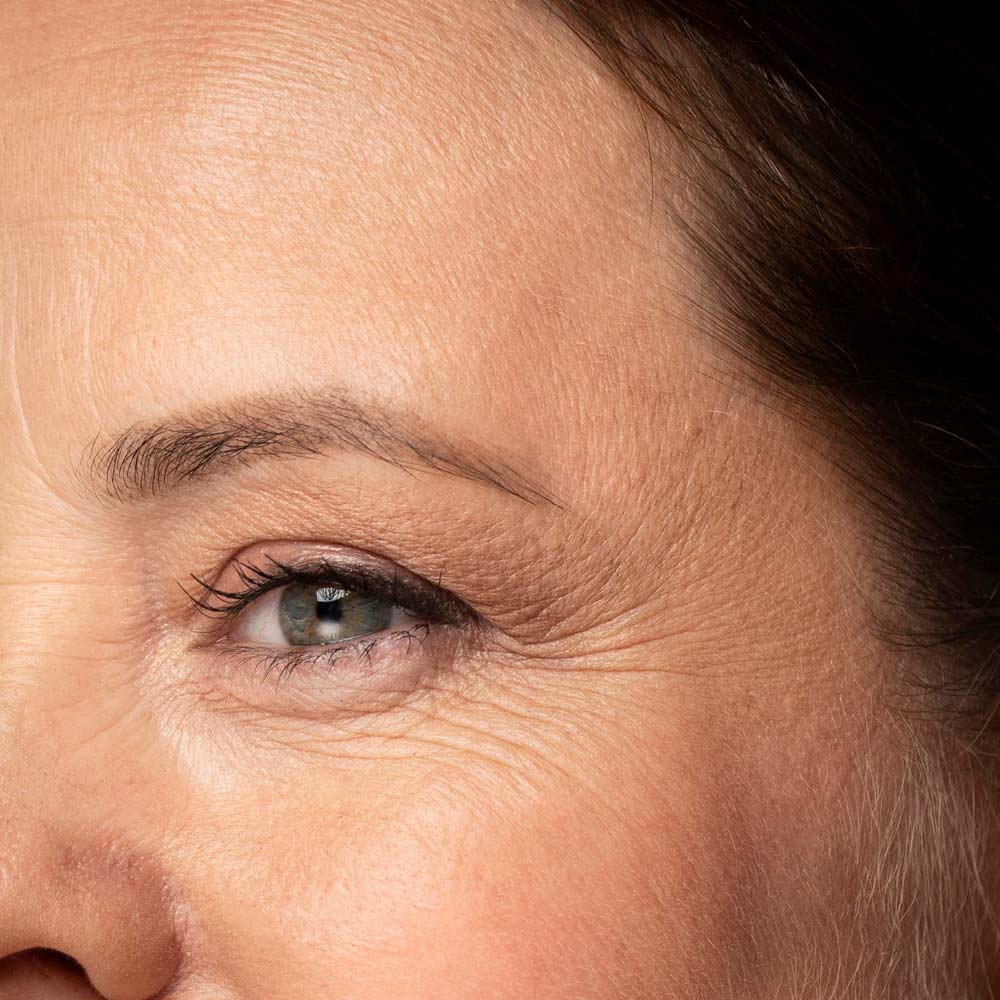
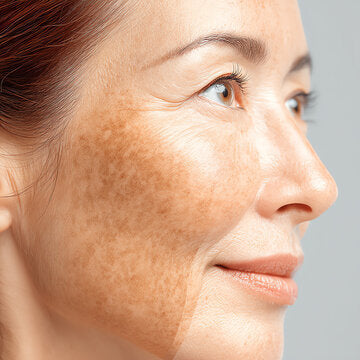
According to the British Menopause Society, women lose up to 30% of skin collagen in the first five years after menopause, then roughly 2% every year thereafter. That's why skin can feel thinner, drier, and less elastic seemingly overnight.
Oral collagen peptides have a growing evidence base. According to research summarized by Harvard Health, pooled randomized controlled trials show hydrolyzed collagen taken for 8–12 weeks improved skin hydration, elasticity and dermal collagen density compared with placebo. The mechanism is twofold: specific dipeptides survive digestion and signal fibroblasts to ramp up collagen synthesis, and the amino acid pool provides raw building blocks.
The caveat is that supplements are systemic, not targeted. They support your whole body, which is wonderful for joints, hair, and nails, but a relatively small fraction reaches the skin. This is where topical collagen boosters come in.
For most menopausal women, the best collagen supplements for menopause aren't an either-or choice — they're part of a stack alongside topical peptides and lifestyle.
Types of Collagen: Which Is Best for Menopause?
Type I and Type III collagen are the heavy hitters for menopausal skin. There are 28 known types of collagen in the human body, but only a handful matter for skin, joints, and connective tissue.
| Type | Where It Lives | Best For | Menopause Relevance |
|---|---|---|---|
| Type I | Skin, bones, tendons | Skin firmness, wound healing | Highest priority — 90% of skin collagen |
| Type II | Cartilage | Joint comfort | Useful for menopause-related joint aches |
| Type III | Skin, blood vessels, organs | Skin elasticity, vascular health | Works synergistically with Type I |
| Type V | Hair, placenta, cell surfaces | Hair quality | Helpful for menopausal hair thinning |
| Type X | Cartilage during bone formation | Bone health | Indirectly relevant for postmenopausal bone density |
For skin-focused supplementation, look for marine or bovine sources rich in Types I and III. Marine collagen is generally better absorbed because its peptides are smaller, but bovine offers a broader amino acid profile and tends to be more affordable.
Top Collagen Supplements Compared
Rather than naming brands (the market shifts constantly), here's how to evaluate the categories you'll encounter when shopping for the best collagen supplements for menopause.
| Category | Typical Dose | Pros | Cons | Best For |
|---|---|---|---|---|
| Marine Hydrolyzed Peptides | 5–10g | Small peptide size, high bioavailability | Fishy aftertaste, pricier per gram | Skin-first goals, pescatarians |
| Bovine Hydrolyzed Peptides | 10–20g | Broad amino acid profile, affordable | Larger peptides, not vegetarian | Skin plus joint support on a budget |
| Multi-Collagen Blends | 10–15g | Covers Types I, II, III, V, X | Lower dose of any single type | Whole-body menopause support |
| Collagen + Vit C, HA | 5–10g | Co-factors aid synthesis | Premium pricing, smaller collagen dose | Beginners |
| "Vegan Collagen Boosters" | Varies | Suitable for plant-based diets | Contain no actual collagen — only precursors | Vegetarians and vegans |
A quick note on vegan options: there's no such thing as plant-derived collagen. What's sold as "vegan collagen" is a blend of amino acids and co-factors designed to support your body's own production.
According to the AAD, watch for these green flags on labels: third-party tested for heavy metals, hydrolyzed peptide form (not gelatin), at least 5g per serving, vitamin C included, and transparent sourcing.
Collagen Peptides vs Hydrolyzed Collagen
Collagen peptides and hydrolyzed collagen are the same thing. "Hydrolyzed" describes the process — collagen protein is broken down using water and enzymes — and "peptides" describes the result, which are short chains of amino acids small enough to dissolve in cold liquid and absorb efficiently.
Unhydrolyzed gelatin is not the same and shouldn't be marketed as a skin supplement. Gelatin only partially breaks down in the gut, has poor bioavailability, and gels in cold liquid. It's fine for cooking, but it's not the format research has been conducted on.
Look for the words "hydrolyzed collagen peptides" on the label. Bonus points if the brand discloses the average molecular weight in Daltons. Anything under 5,000 Da is well-absorbed, with the most effective products typically falling in the 2,000–3,000 Da range.
How Long Before Results Show
Patience is required. Collagen supplements work at the level of the dermis, which remodels slowly. Here's a realistic timeline based on the clinical literature reviewed by Cleveland Clinic:
- Weeks 1–2: Most women notice nothing visible. Some report better digestion and slightly stronger nails.
- Weeks 3–4: Subtle changes in skin hydration, often described as skin feeling "plumper" first thing in the morning.
- Weeks 5–8: Measurable improvements in elasticity and surface smoothness. Make-up sits better.
- Weeks 9–12: Visible changes in fine lines, particularly around the eyes and mouth.
- Weeks 12+: Plateau phase. Continued use maintains results.
The single biggest reason women give up on collagen supplements is impatience. If you're going to commit to a daily scoop, commit for at least three months. Take progress photos under consistent lighting on day one — memory isn't reliable for slow changes.
Topical Collagen Boosters: A Better Alternative?
Here's where we get honest about the limitations of supplements. Even the best collagen supplements for menopause deliver their active peptides systemically. Topical collagen boosters deliver collagen-stimulating actives directly to the dermis where you want them.
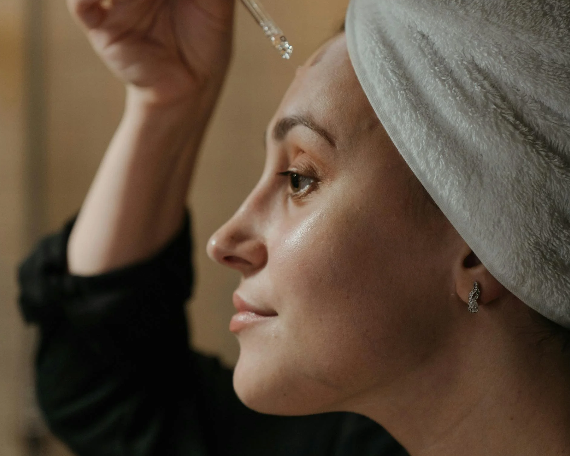
A well-formulated topical works on three fronts. First, it delivers signal peptides (like Matrixyl, copper peptides, or palmitoyl tripeptides) that mimic fragments of broken collagen. Second, it provides occlusive and humectant support so the skin barrier holds moisture. Third, it can include retinoids or bakuchiol to accelerate cell turnover.
This is exactly the philosophy behind our Collagen Boosting Serum, built around our proprietary AP2 Complex. AP2 pairs a stabilized peptide blend with humectants and antioxidants chosen specifically for menopausal skin.
The honest answer is that you don't need to drink a fishy smoothie every morning. A topical collagen booster isn't a replacement for good nutrition, but for skin-specific outcomes it's often the more efficient route. Many of our customers pair the Collagen Boosting Serum with our Replenishing Night Cream for an overnight repair routine.
The best results we see come from a stack: a sensible diet rich in protein and vitamin C, optional oral collagen for whole-body support, and a topical routine. For a broader look, see our menopause skincare guide and estrogen and skin guide.
Frequently Asked Questions
How much collagen should a menopausal woman take daily? Most clinical trials use 5–15g of hydrolyzed collagen peptides per day. For skin-specific outcomes, 10g is a sensible target. Split doses aren't necessary — a single daily serving works fine.
Are collagen supplements safe during HRT? Yes. There are no known interactions between hydrolyzed collagen peptides and hormone replacement therapy. Collagen is a food protein, not a hormone. As always, check with your GP if you have specific health concerns.
Can I get enough collagen from bone broth instead? You can get some, but the dosing is impractical. A typical mug of bone broth contains 2–6g of collagen, and the peptide profile is variable. Treat it as a bonus rather than your primary source.
Do collagen supplements help with menopausal joint pain? There's reasonable evidence that Type II collagen (often as undenatured UC-II) helps with joint comfort at much lower doses (around 40mg daily). Type I and III peptides at higher doses also show modest benefits for joint stiffness.
Will collagen supplements cause weight gain? No. A 10g serving contains roughly 35–40 calories and is almost pure protein. The protein content can actually support satiety during menopause when body composition shifts.
Is topical collagen better than oral collagen? For visible skin results, topical collagen boosters often work faster and more efficiently because they target the dermis directly. Oral collagen offers broader systemic benefits (joints, hair, nails). The two are complementary, not competing.
When is the best time to take collagen supplements? Anytime that helps you stay consistent. Some people prefer mornings in coffee or smoothies, others stir it into evening herbal tea. There's no compelling evidence that timing matters as much as daily consistency does.
Written by Stacy. Reviewed by the Sum of All Editorial Team. This article is for educational purposes and is not medical advice. If you have specific health concerns relating to menopause, please speak with your GP or a qualified menopause specialist.
Read more

Menopause Face Changes: What Really Happens Menopause face changes are the visible shifts in skin structure, texture, and tone that occur as estrogen levels decline. The most common changes inc...

Estrogen and Collagen: The Hidden Connection Estrogen and collagen are linked at the cellular level: estrogen binds to receptors on dermal fibroblasts and switches on the genes that make collage...