





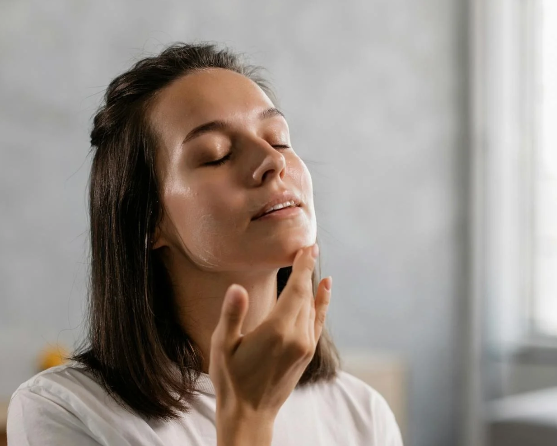

Menopause Face Changes: What Really Happens
Menopause Face Changes: What Really Happens
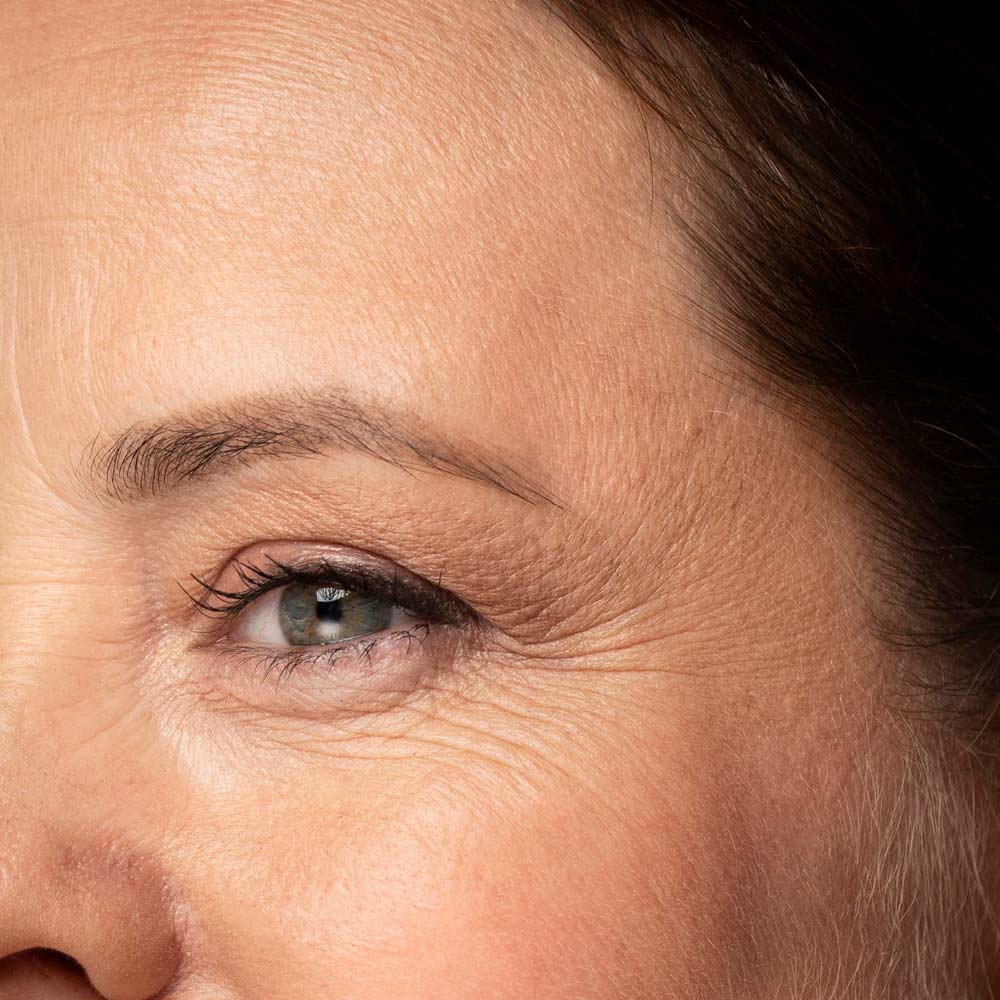
Menopause face changes are the visible shifts in skin structure, texture, and tone that occur as estrogen levels decline. The most common changes include volume loss in the cheeks and temples, sagging along the jawline, drier and thinner skin, deeper lines, and new patches of uneven pigmentation. These aren't signs of neglect — they're the predictable result of hormonal shifts.
Table of Contents
- How Your Face Changes During Menopause
- Volume Loss and Sagging: The Collagen Connection
- Why Skin Texture Changes After Estrogen Drops
- Dark Spots and Uneven Tone During Menopause
- How to Address Menopause Face Changes With Skincare
- Professional Treatments vs At-Home Skincare
- Frequently Asked Questions
If you've looked in the mirror recently and felt your face suddenly looks different, you're not imagining it. According to research published in the Journal of Investigative Dermatology, women lose roughly 30% of their skin collagen in the first five years after menopause, and the rate of bone resorption in the facial skeleton accelerates at the same time.
How Your Face Changes During Menopause
The face changes during menopause for one central reason: estrogen receptors throughout the skin lose their primary signal. Estrogen helps regulate collagen production, sebum output, hyaluronic acid synthesis, melanin distribution, and skin barrier repair. When circulating estrogen drops, every one of those processes slows or shifts at the same time.
The result is a cluster of changes that often appear together rather than one by one. You may notice your cheeks looking flatter, the corners of your mouth turning down slightly, jowls beginning to form, and your skin feeling tight by mid-afternoon despite using your usual moisturizer. According to the North American Menopause Society (NAMS), none of these is a single problem to fix — they're connected.
| Stage | Typical Age Range | Most Common Face Changes |
|---|---|---|
| Early perimenopause | 40 to 45 | Subtle dryness, slower bounce-back, occasional dullness |
| Late perimenopause | 45 to 51 | Visible fine lines, early volume loss, uneven tone, breakouts |
| Menopause | 51 to 55 | Sagging along jawline, deeper folds, persistent dryness, dark spots |
| Postmenopause | 55 and beyond | Thinner skin, reduced elasticity, more pronounced texture changes |
Not every woman experiences every change, and the timeline can shift depending on genetics, sun exposure history, and overall health. But the pattern is consistent enough that dermatologists now recognize menopausal skin as a distinct category requiring its own approach.
Volume Loss and Sagging: The Collagen Connection
Volume loss is often the first menopause face change women notice, and collagen is at the heart of it. Collagen is the protein that gives skin its plumpness and structure. It is not something topical products can fully replace once it's gone — but you can slow the loss and stimulate new production.
According to the American Academy of Dermatology (AAD), women lose around 30% of skin collagen in the first five years of menopause, with a slower decline of roughly 2% per year after that. This collagen loss isn't evenly distributed. The mid-face, jawline, and around the eyes tend to thin first.
Sagging isn't just a skin issue, either. According to the Cleveland Clinic, the bones of the face slowly resorb after menopause, particularly around the eye sockets and jaw, which removes the underlying scaffolding that skin sits on. Combined with fat pad migration, the overall effect is a face that looks longer, narrower, and softer at the edges.
To address this, look for skincare ingredients that support collagen synthesis directly. Peptides, retinoids, vitamin C, and growth-factor-style actives all have evidence behind them. Our Collagen Boosting Serum was formulated specifically for this stage. For deeper reading, see collagen and menopause and the science of facial volume loss.
Why Skin Texture Changes After Estrogen Drops
Texture changes during menopause are caused by a combination of slower cell turnover, reduced sebum production, and a weaker skin barrier. Where younger skin sheds and replaces itself roughly every 28 days, menopausal skin can take 40 to 50 days to complete the same cycle. Dead cells linger longer, which makes skin look duller and feel rougher.
At the same time, sebaceous glands produce less oil because estrogen normally helps keep them active. Less oil means less natural lipid protection on the skin surface, which leads to faster water loss and that familiar tight, papery feeling.
You may also notice:
- Enlarged pores in areas that used to look smooth
- Tiny bumps or rough patches across the cheeks and forehead
- Crepey texture under the eyes and along the neck
- Increased sensitivity to fragrance, alcohol, or strong actives
- A dull, gray undertone that no amount of highlighter can fix
The fix is not aggressive exfoliation. That tends to make menopausal skin worse. The fix is gentle chemical exfoliation paired with deep barrier support. An Overnight Resurfacing Serum formulated for hormonal skin can encourage that slower cell cycle without stripping the barrier.
For more on rebuilding texture, see restoring the skin barrier in menopause.
Dark Spots and Uneven Tone During Menopause
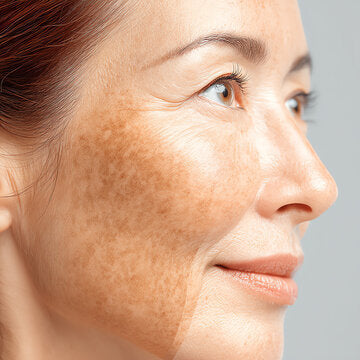
Pigmentation is one of the most frustrating menopause face changes because it often appears suddenly and in places that were previously clear. According to the British Menopause Society, estrogen helps regulate melanocytes, the cells that produce pigment. When that regulation falters, melanin production becomes uneven.
| Pigmentation Type | What It Looks Like | Best Approach |
|---|---|---|
| Solar lentigines (sun spots) | Flat brown spots on cheeks, forehead, hands | Daily SPF, vitamin C, niacinamide |
| Melasma flares | Patchy brown areas on cheeks and upper lip | Tranexamic acid, mineral SPF, gentle retinoids |
| Post-inflammatory hyperpigmentation | Dark marks after breakouts or sensitivity | Niacinamide, azelaic acid, time |
| General loss of even tone | Patchy redness and sallow yellow areas | Antioxidants, barrier repair, vitamin C |
Daily broad-spectrum SPF is non-negotiable at this stage. Without it, no pigmentation treatment will hold. For more, see our guide to dark spots after menopause.
How to Address Menopause Face Changes With Skincare
Addressing menopause face changes with skincare is about layering targeted actives in a routine that respects a more fragile barrier. The goal isn't to chase every change with a separate product. It's to support skin biology with a small number of well-chosen formulas that do several things at once.
A practical menopausal routine looks like this:
- Gentle cleanse morning and night
- Antioxidant serum in the morning, ideally vitamin C
- Targeted treatment serum with peptides
- Rich moisturizer to seal in hydration
- Broad-spectrum SPF 30 or higher every single morning
- Resurfacing serum two or three nights a week
- Replenishing night cream to support overnight repair
Our AP2 Complex sits at the center of this routine because it addresses multiple menopause face changes at once. Pair it with the Replenishing Night Cream overnight.
For more on building a complete routine, see our menopause skin care pillar guide and the best ingredients for menopause skin.
Professional Treatments vs At-Home Skincare
Professional treatments and at-home skincare aren't opposites. They work best together. At-home skincare maintains the daily conditions skin needs to repair and strengthen, while professional treatments can deliver results that topical products simply can't match on their own.
According to the Mayo Clinic, in-clinic options that pair well with a hormone-conscious routine include microneedling, fractional laser, radiofrequency, and chemical peels designed for thinner skin. These treatments stimulate collagen at depths topical products can't reach. However, they aren't a replacement for daily skincare.
A good rule of thumb is to think of professional treatments as occasional reset points and at-home skincare as the foundation that holds those results in place. If you're considering injectables or laser, speak to a practitioner who has specific experience with menopausal skin.
Frequently Asked Questions
At what age do menopause face changes usually start? Most women begin to notice subtle face changes in their early forties, during perimenopause. More dramatic changes typically appear between ages 45 and 55.
Can menopause face changes be reversed? Some can be improved significantly, while others can only be slowed. Pigmentation, dryness, and dullness respond well to consistent skincare. Volume loss is harder to reverse with topical products alone.
Does HRT prevent menopause face changes? HRT can slow some of the skin changes associated with estrogen decline, particularly collagen loss and dryness. It's a medical decision that should be made with your doctor.
Why does my face look more tired during menopause? The tired look comes from a combination of volume loss, slower cell turnover, drier skin, and uneven tone, all happening at once.
Is it too late to start a menopause skincare routine in my late fifties? It's never too late. Consistent care will improve hydration, tone, and texture noticeably within eight to twelve weeks.
Why is my skin suddenly sensitive to products I've used for years? A weaker skin barrier and reduced oil production make menopausal skin more reactive. Switching to gentler, hormone-conscious formulas usually solves this quickly.
Do I still need retinol during menopause? Yes, but the form and frequency matter. Gentle retinoids used two or three nights a week, layered over a hydrating serum, give the cell turnover benefits without overwhelming a fragile barrier.
Written by Stacy. Reviewed by the Sum of All Editorial Team.
Read more
Does Menopause Cause Dry Skin? The Science Does Menopause Cause Dry Skin? The Science Does Menopause Cause Dry Skin? The Science Yes, menopause directly causes dry skin. As estrogen dec...
Best Collagen Supplements for Menopause (2026) The best collagen supplements for menopause are hydrolyzed Type I and III peptides taken at 10–15g daily, ideally paired with vitamin C. Most wome...