


For skin that used to take care of itself
Understanding Dry Skin
Something shifted. Your skin doesn't respond the way it used to — and moisturiser alone no longer makes a difference. This guide explains exactly what's happening, why it's happening, and what actually restores it.
what is actually happening
Dry Skin Is a Barrier Signal, Not a Surface Problem
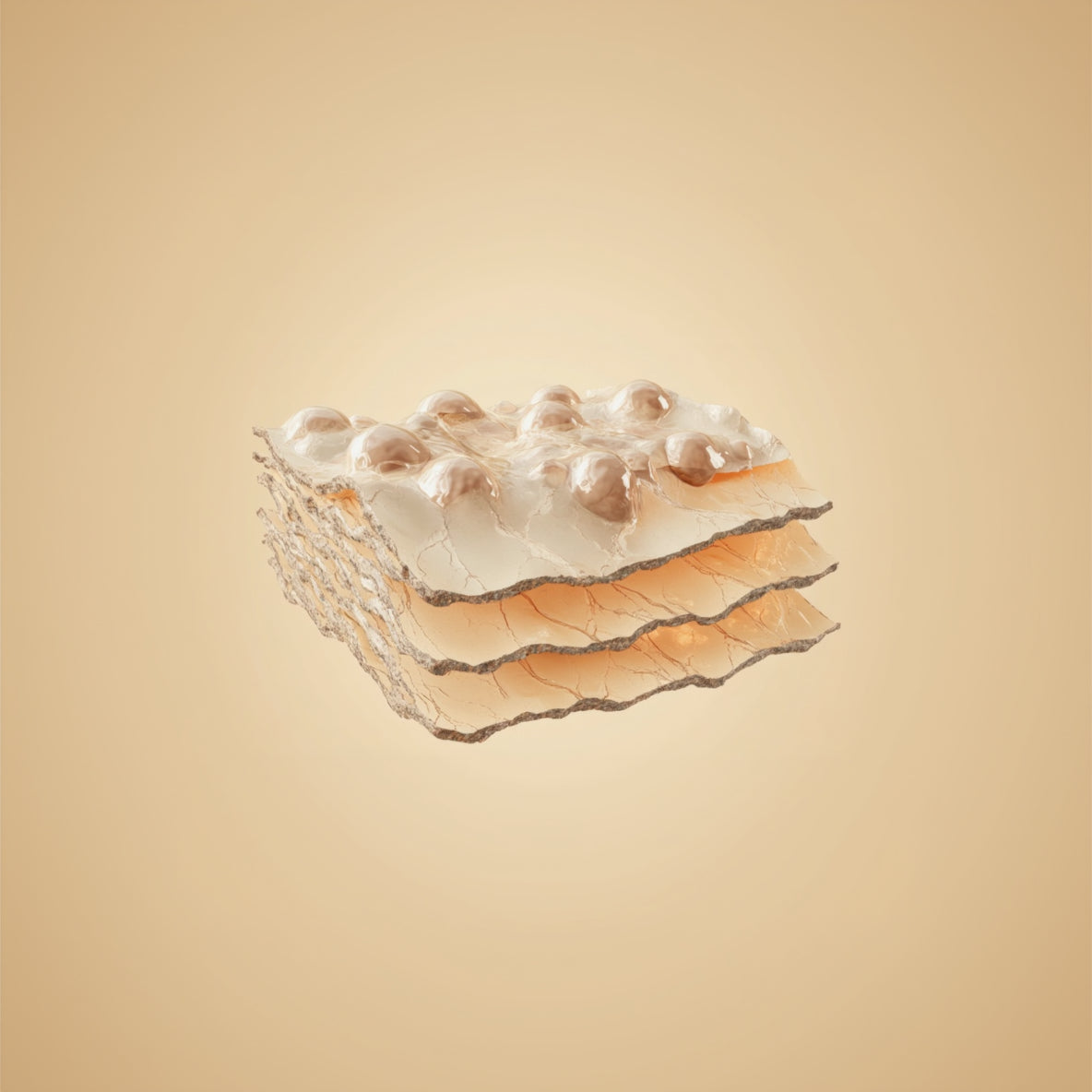
Your skin barrier is like a brick wall. The skin cells are the bricks, bonded together by a lipid "mortar" primarily made of ceramides, cholesterol, and fatty acids. When this matrix is intact, moisture stays in and irritants stay out.
During perimenopause, estrogen—the hormone that supports skin's lipid production, barrier function, and natural hyaluronic acid levels begins to decline. Suddenly, your skin is producing significantly less of the mortar it needs to stay bonded and resilient.
When this barrier breaks down, water escapes rapidly through a process called Transepidermal Water Loss (TEWL). Without that lipid protection, external irritants also enter more freely. This dual action explains why your skin suddenly feels tight, highly reactive, and slow to heal.
The formulation that addresses all three
Introducing the AP² Longevity Platform
Most skincare addresses one deficit at a time. AP² works differently. Powered by chaga mushroom, phytoestrogens, and peptides, AP² supports the skin functions that become disrupted as estrogen declines. It helps maintain hydration, strengthen resilience, and reduce visible imbalance.
The result isn't temporary hydration. It's measurable barrier restoration.
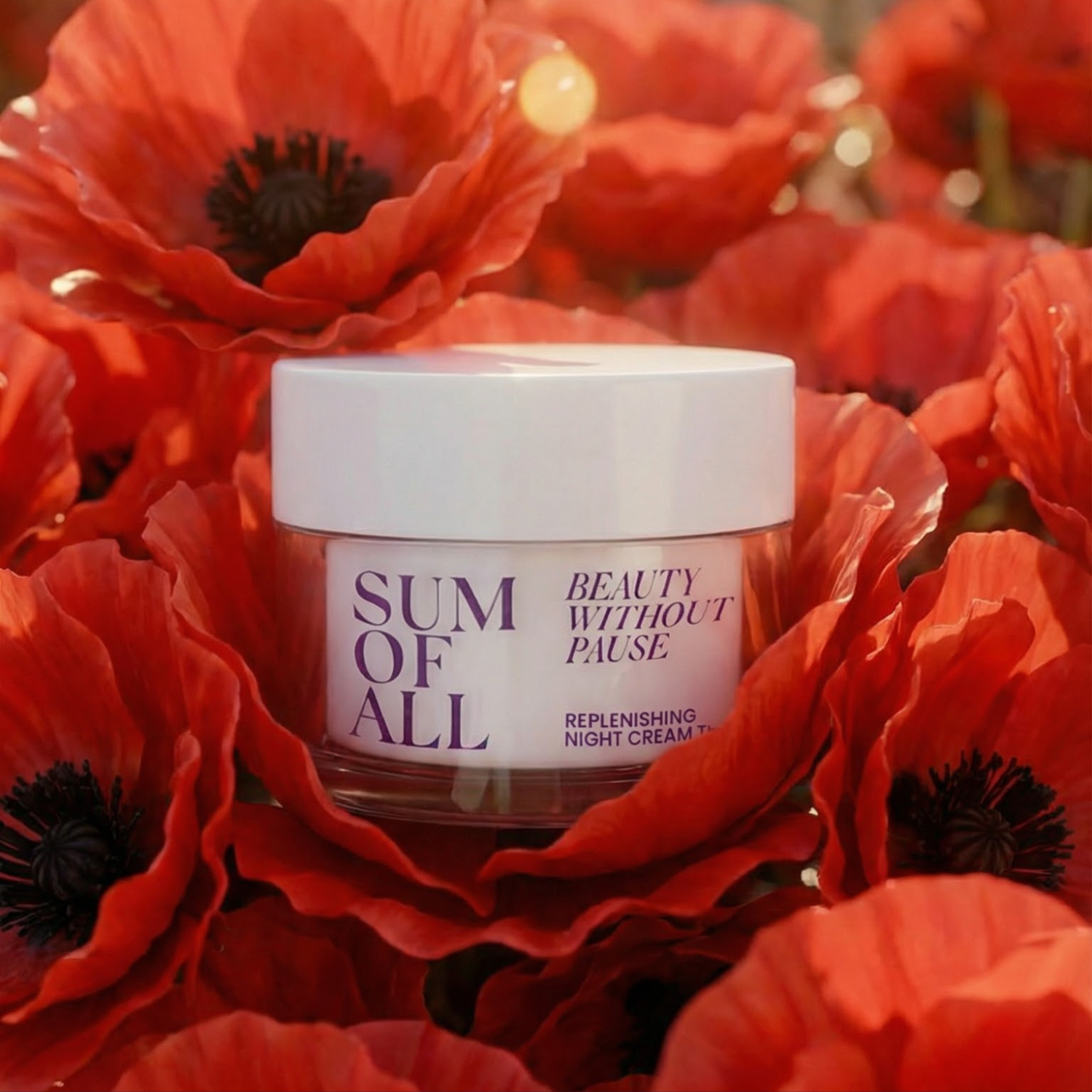
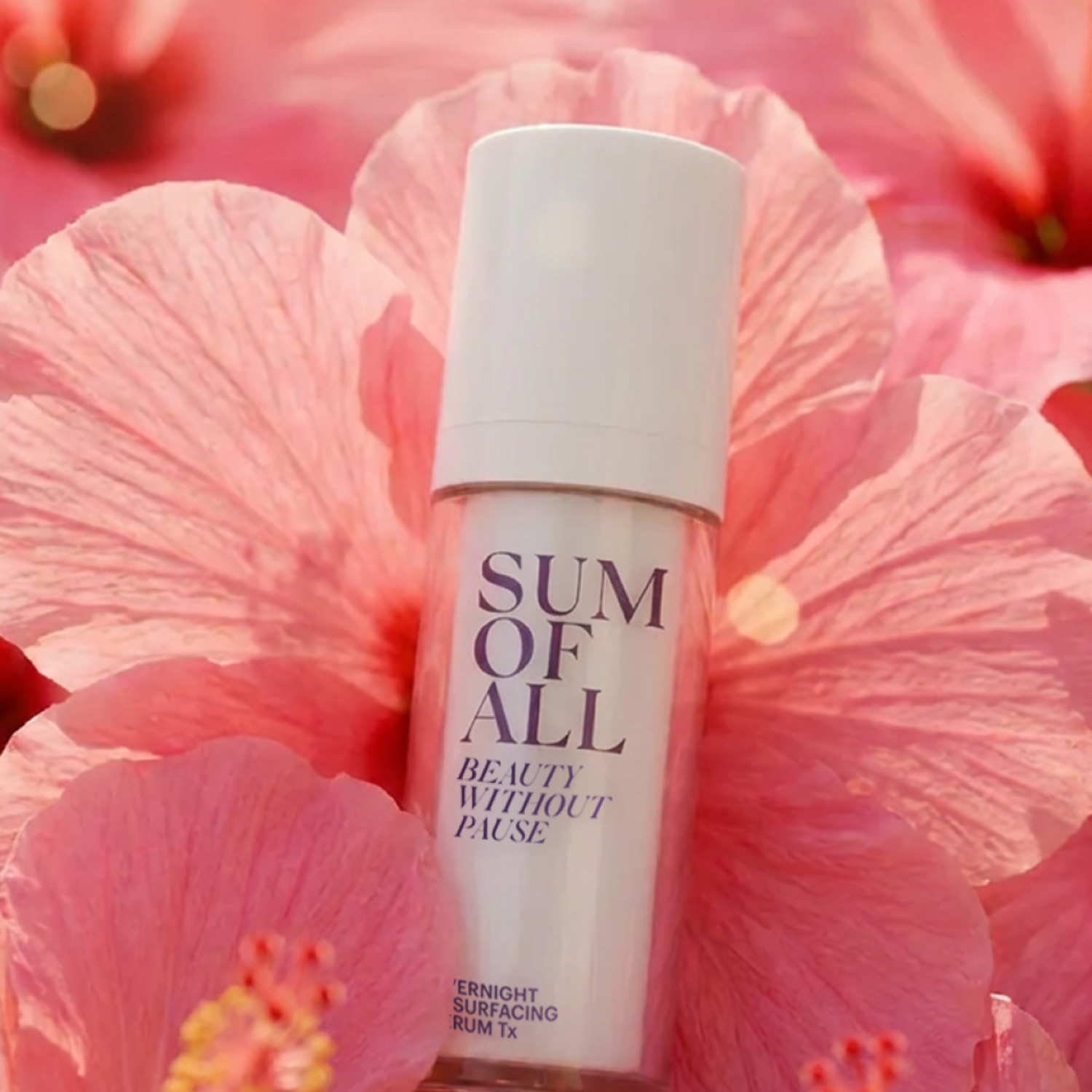
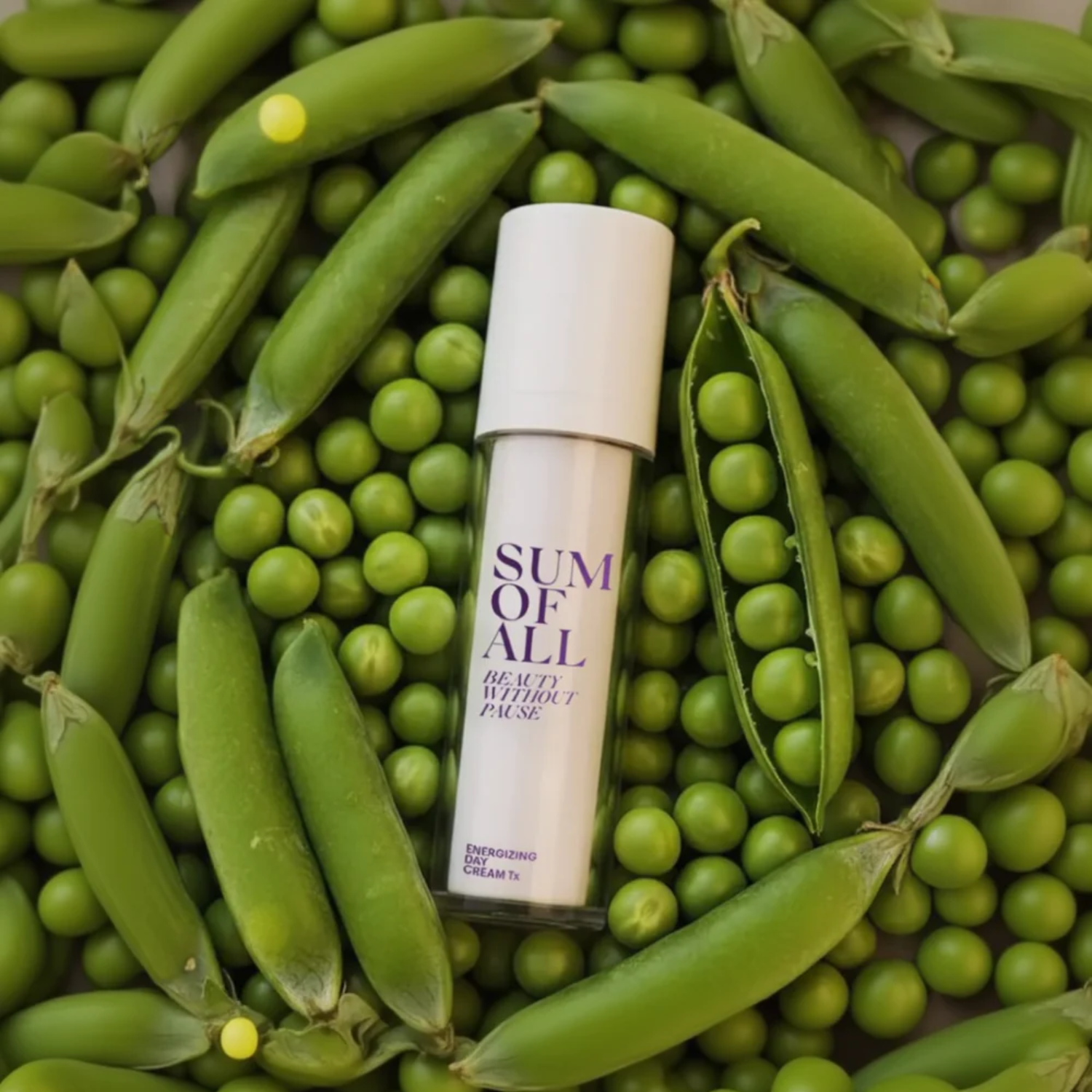
Each product supports a key function of the skin barrier. Used together, they help restore balance.



"I spent two years switching moisturisers. Nothing worked until I understood my barrier had actually broken down. Once I addressed that, everything changed."
"The science on this page is the clearest explanation I've found of what perimenopause does to skin. The products match what the research says. That matters to me."
"The Replenishing Night Cream is the first product in years that made an actual difference. Not just temporary relief — my skin genuinely feels different."
Recent Posts
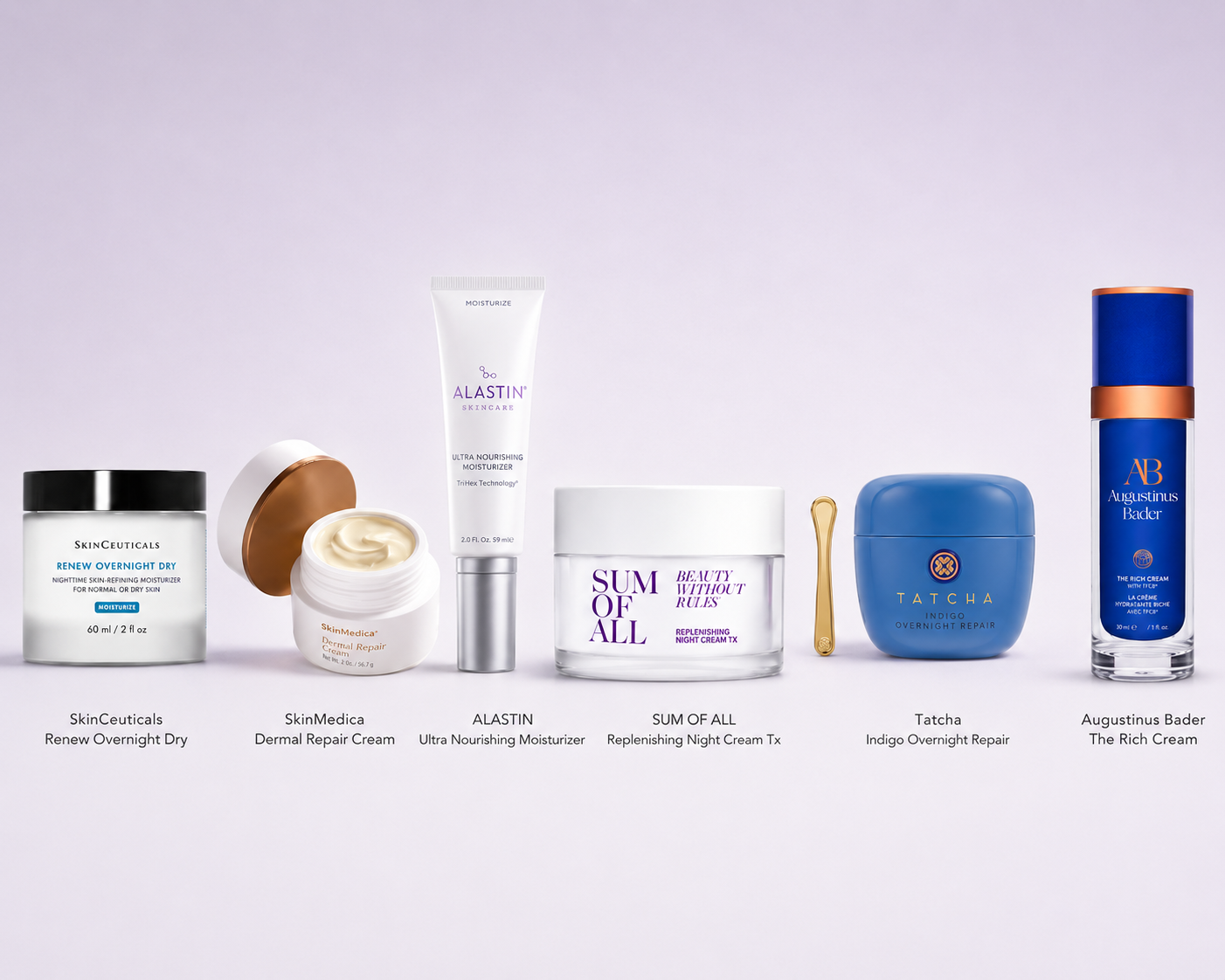
A deep replenishment night cream is designed to do much more than moisturize your skin overnight. The best formulas replenish lost moisture, strengthen the skin barrier, support collagen, and help ...
Estrogen and Collagen: The Hidden Connection Estrogen and collagen are linked at the cellular level: oestrogen binds to receptors on dermal fibroblasts and switches on the genes that make collag...
Best Collagen Supplements for Menopause (2026) The best collagen supplements for menopause are hydrolysed Type I and III peptides taken at 10–15g daily, ideally paired with vitamin C. Most wome...
Dry Skin FAQs
During perimenopause, declining oestrogen levels drastically reduce your skin's natural ability to produce vital lipids like ceramides. The mortar between your skin cells begins to crumble, allowing moisture to escape through a process called Transepidermal Water Loss (TEWL).
No, they are distinct conditions. Dry skin is a skin type characterized by a lack of lipids (oils), whereas dehydrated skin is a temporary condition characterized by a lack of water. Perimenopausal skin often experiences both simultaneously.
You need both. Water-based products (like humectant serums) draw moisture into the skin, while oils and rich creams provide the emollients and occlusives necessary to seal that moisture in. Order matters: always apply water-based products first, followed by lipid-rich formulas.
Tightness after cleansing indicates that your cleanser has disrupted your skin's moisture barrier, likely stripping away necessary natural oils through harsh surfactants. Switch to a gentle, non-foaming cream or oil cleanser.
While you may feel immediate relief from tightness and flaking, true barrier repair—where your skin actually regains its resilience and structural integrity—typically takes 4-8 weeks of consistent use.