



Menopause Explained: Symptoms, Stages, and What Happens to Your Body
Menopause isn’t something that happens all at once. For most women, menopause symptoms begin gradually during perimenopause, often years before the final menstrual period. Sleep feels different. Skin feels unfamiliar. Moods shift in ways you don’t quite recognize. And suddenly, you’re left wondering if this is stress — or something more.
If you’ve ever felt confused, unprepared, or quietly frustrated by the lack of clear information, you’re not alone. Menopause is a natural biological transition, but it’s one we’re rarely taught how to understand.
Key Takeaways About Menopause
-
Perimenopause is a gradual transition that can last several years, often beginning in your mid-40s
-
Common menopause symptoms include hot flashes, sleep disruption, mood changes, and vaginal dryness
-
Menopause is officially diagnosed after 12 consecutive months without a menstrual period
-
Hormone levels naturally decline as your reproductive years come to an end
-
In the U.S., the average age of menopause is around 51–52 years
Once menopause is complete, ovulation and menstrual periods stop — and pregnancy is no longer possible.
The Three Stages of Menopause (Perimenopause, Menopause, and Postmenopause)
Menopause is best understood as a continuum, not a single moment. Most women move through three distinct stages.
Perimenopause: When Menopause Symptoms Often Begin
Perimenopause is the transition phase leading up to menopause — and it’s where many symptoms first appear.
This stage often begins in the mid-40s (sometimes earlier) and can last anywhere from a few months to several years. During this time, estrogen and progesterone levels fluctuate, which may cause:
-
Irregular menstrual cycles
-
Heavier or lighter periods
-
Hot flashes and night sweats
-
Sleep disruption
-
Mood changes
For many women, perimenopause is when something starts to feel “off,” even though life looks the same on the outside.
Menopause: The Official Milestone
Menopause is reached once you’ve gone 12 consecutive months without a menstrual period.
Most women experience menopause in their early 50s, though timing varies. Some reach it earlier:
-
Early menopause: ages 40–45
-
Premature menopause: before age 40
Symptoms such as hot flashes, sleep changes, and skin dryness may continue during this phase as the body adapts to lower hormone levels.
Postmenopause: Life After Menopause
Postmenopause refers to the years following menopause. For many women, symptoms gradually ease over time.
However, declining estrogen levels can increase the risk of conditions such as osteoporosis, heart disease, and vaginal dryness, making long-term wellness and informed self-care especially important.
What Are the Most Common Menopause Symptoms?
Menopause symptoms vary widely. Some women notice subtle changes, while others experience symptoms that significantly impact daily life.
Common Menopause Symptoms (Physical, Mental, and Emotional)
Physical Symptoms of Menopause
-
Hot flashes and flushing
-
Night sweats
-
Insomnia or disrupted sleep
-
Vaginal dryness or discomfort during sex
-
Changes in breast size or tenderness
-
Hair thinning or increased facial hair
-
Muscle or joint discomfort
-
Weight changes
-
Increased urination or UTIs
-
Dry eyes or itchy skin
Mental and Emotional Symptoms
-
Anxiety or low mood
-
Irritability
-
Brain fog or difficulty concentrating
-
Fatigue
-
Changes in libido
-
Mood swings that feel unfamiliar or unpredictable
Hormonal changes during menopause can also increase the risk of:
-
Heart disease
-
Osteoporosis
-
Urinary incontinence
-
Vaginal and urinary infections
How Hormonal Changes During Menopause Affect the Body
Menopause is driven by declining levels of estrogen and progesterone. These hormones influence far more than reproduction — they affect the skin, brain, bones, metabolism, and cardiovascular system.
As estrogen levels fall, the body’s ability to regulate temperature, maintain bone density, and support skin hydration and repair begins to change. This is why menopause symptoms can feel wide-ranging and, at times, surprising.
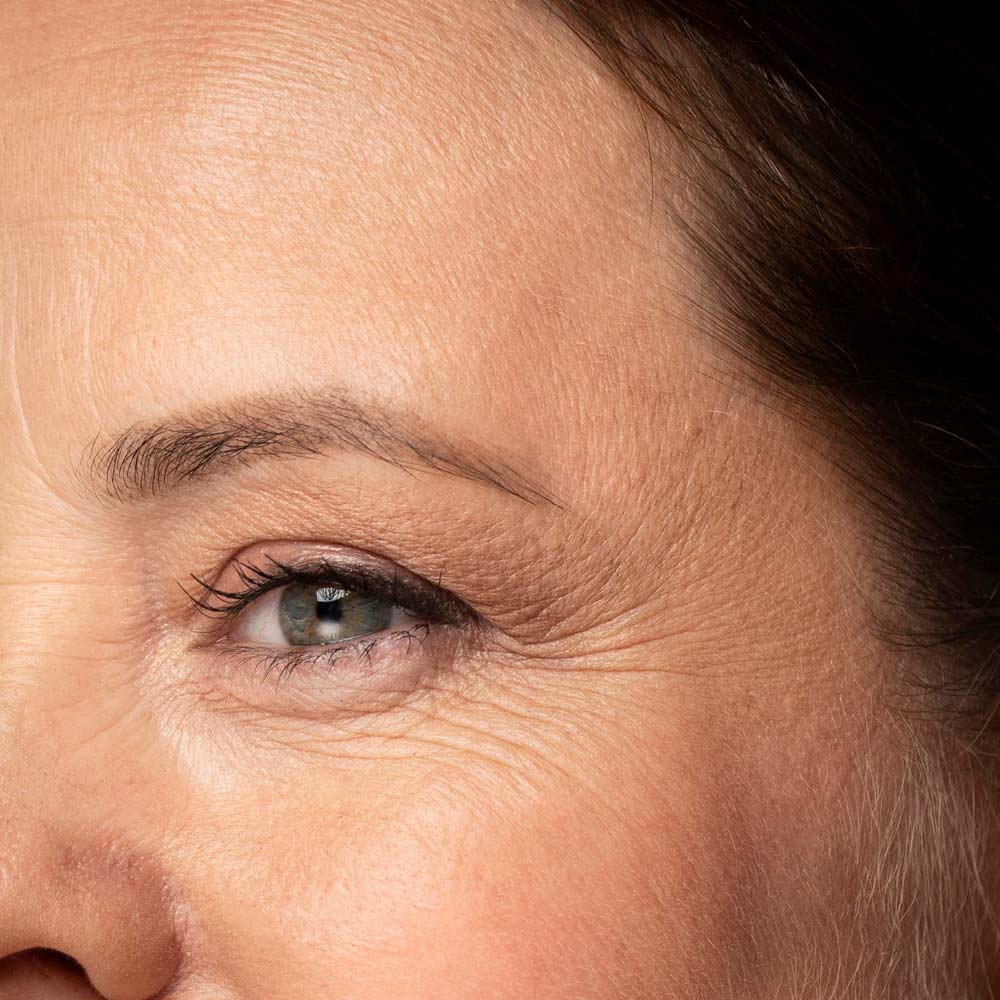
Can Menopause Affect Your Skin?
Yes — significantly.
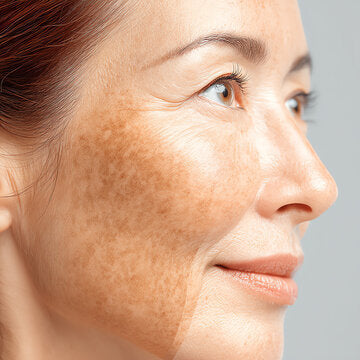
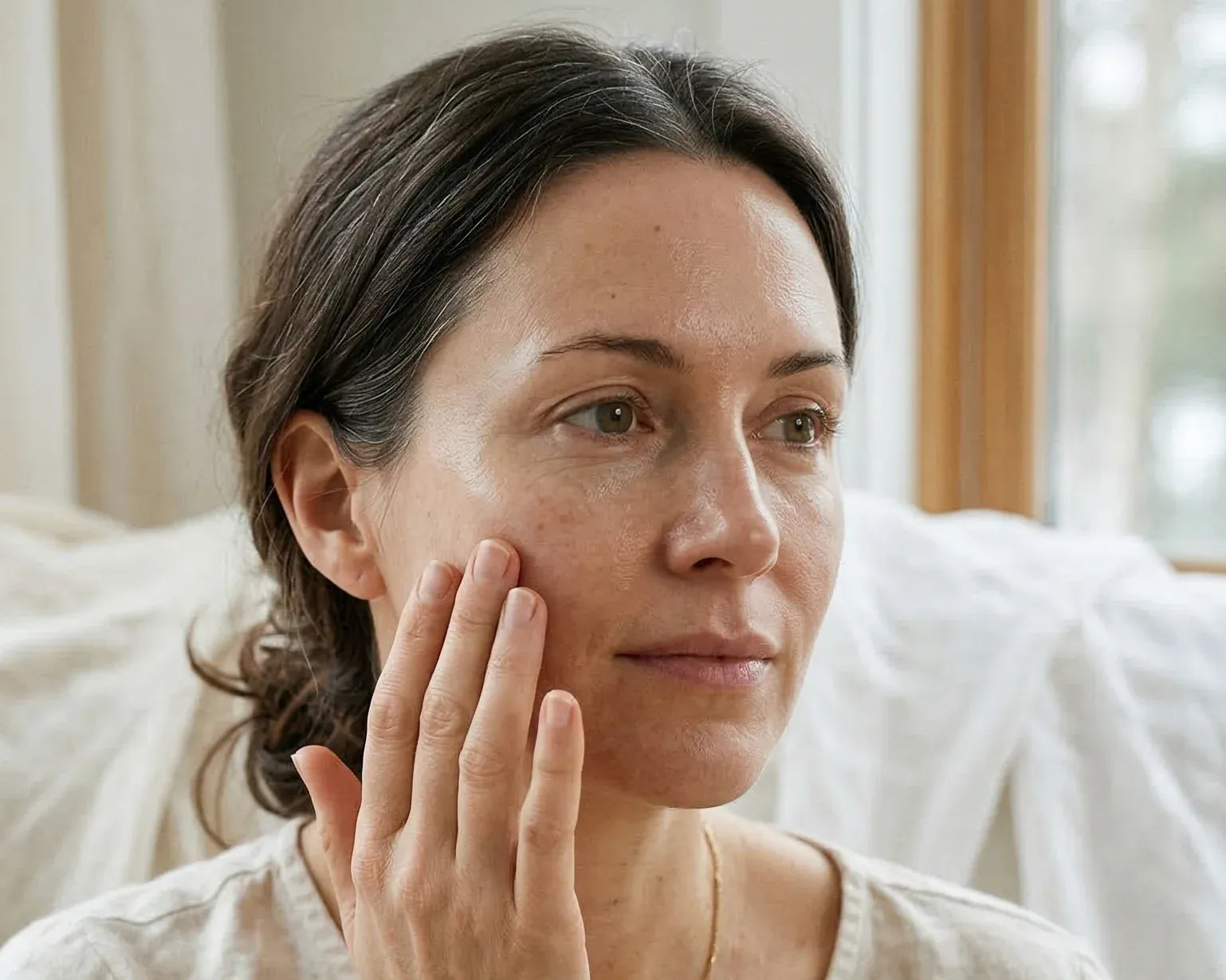
Estrogen plays a key role in maintaining skin thickness, elasticity, hydration, and barrier function. During perimenopause and menopause, many women notice:
-
Increased dryness and sensitivity
-
Changes in texture or firmness
-
Slower skin recovery
-
A feeling that familiar products no longer work
Declining estrogen doesn’t just change how skin looks — it affects how skin functions, which is why traditional “anti-aging” approaches often stop working during this stage.
Early Signs of Menopause
The earliest sign of menopause is often irregular menstruation, but many women first notice:
-
Trouble sleeping
-
Hot flashes
-
Mood changes
-
Skin dryness or sensitivity
These early signs typically appear during perimenopause, sometimes years before menopause is officially diagnosed.
How Is Menopause Diagnosed?
If you’re experiencing symptoms and aren’t sure whether menopause is the cause, a healthcare provider — such as an OB-GYN or primary care physician — can help.
Diagnosis may include:
-
Blood tests measuring FSH (follicle-stimulating hormone) and estradiol
-
Review of menstrual history
-
Additional testing to rule out thyroid or other hormonal conditions
Consistently elevated FSH levels combined with 12 months without a period can usually confirm menopause.
Treatment Options for Menopause Symptoms
If menopause symptoms are interfering with your quality of life, support is available.
Depending on your symptoms and health history, a healthcare provider may recommend:
-
Oral medications to help manage hot flashes
-
Topical vaginal hormone therapy for dryness or discomfort
-
Vaginal moisturizers for daily hydration
-
Lubricants to reduce discomfort during intimacy
Menopause care should always be individualized — there’s no one-size-fits-all solution.
Lifestyle Changes That Can Help with Menopause Symptoms
Small, intentional changes can make a meaningful difference.
Skin and Personal Care
Gentle cleansing, daily moisturizing, and avoiding harsh products can help support skin that feels drier or more reactive during menopause. Breathable, layered clothing can also make hot flashes easier to manage.
Nutrition and Movement
A balanced diet and regular movement support bone health, metabolism, mood, and sleep. Current guidelines recommend:
-
150 minutes of moderate exercise per week
-
Strength or resistance training at least twice weekly
Mental and Emotional Well-Being
Practices like journaling, meditation, yoga, and breathing exercises can help regulate stress and emotional shifts. Support groups or counseling may also be beneficial.
What This Season Is Really About
Menopause isn’t an ending — it’s a biological transition that deserves clarity, compassion, and respect.
For many women, symptoms begin quietly during perimenopause, years before a final period. Changes in sleep, skin, mood, and comfort aren’t imagined — they’re rooted in real hormonal shifts that affect nearly every system in the body.
If menopause symptoms are affecting your daily life — or if they’re showing up earlier than expected — medical support and thoughtful self-care can help restore balance and confidence.
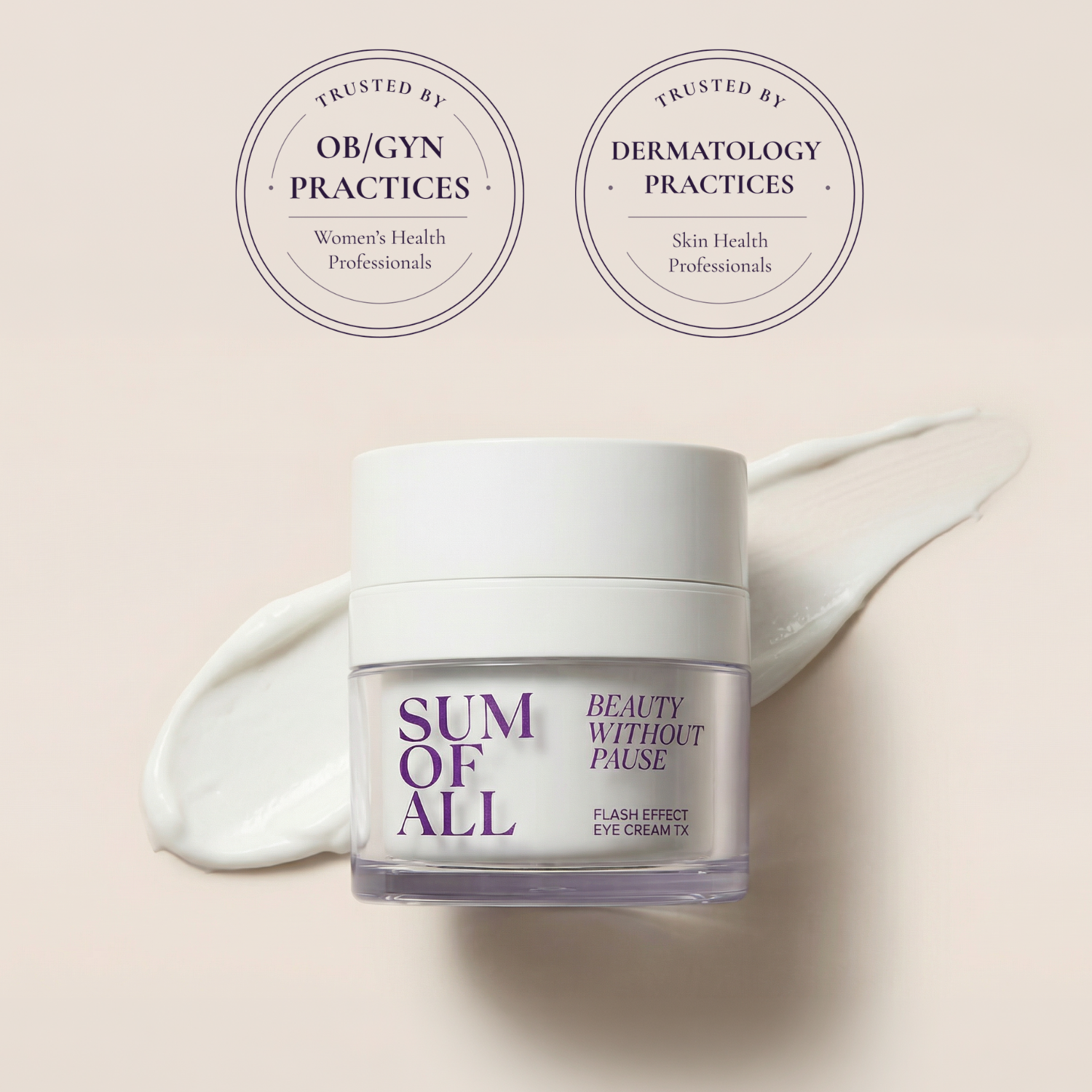
At SUM OF ALL, we believe this chapter is about understanding your body with intelligence and respect — and reclaiming a sense of agency as it changes.
Frequently Asked Questions About Menopause
What is menopause?
Menopause is a natural biological transition that occurs when a woman has gone 12 consecutive months without a menstrual period. It marks the end of the reproductive years and the transition into post menopause.
What are the most common menopause symptoms?
Common menopause symptoms include hot flashes, night sweats, sleep disruption, mood changes, vaginal dryness, and changes in skin texture or sensitivity. Symptoms vary from person to person.
When do menopause symptoms usually start?
Menopause symptoms often begin during perimenopause, which can start in the mid-40s or earlier. Many women experience symptoms several years before menopause is officially reached.
Can menopause affect your skin?
Yes. Hormonal changes during menopause—especially declining estrogen—can affect skin hydration, elasticity, and barrier function, often leading to dryness, sensitivity, and visible texture changes.
When should you see a doctor about menopause?
You should consider seeing a healthcare provider if menopause symptoms interfere with daily life, appear before age 45, or feel sudden or severe.
Medical References
-
Mayo Clinic – Menopause Overview https://www.mayoclinic.org/diseases-conditions/menopause/symptoms-causes/syc-20353397
-
The North American Menopause Society (NAMS)
https://www.menopause.org -
National Institute on Aging – Menopause Basics
https://www.nia.nih.gov/health/menopause
Read more
Perimenopause dry skin is caused by declining estrogen, which weakens your skin's moisture barrier and slows oil production. If your skin feels tight, flaky, or suddenly reactive — especially dur...

If your skin suddenly feels unfamiliar — drier, more sensitive, less resilient — you’re not imagining it. For many women, changes in skin are one of the earliest and most frustrating signs of perim...