




Flower Acids

A gentle complex of naturally derived acids from hibiscus, rose, and other botanical blooms that resurface dull, hormonally sluggish skin without irritation.
Flower acids are a category of alpha hydroxy acids extracted from blossoms rather than synthetic or fruit-derived sources. They offer the exfoliating benefits of traditional AHAs — dissolving the bonds between dead skin cells to reveal fresher, more luminous skin beneath — but with a notably gentler profile. This makes them ideal for skin that has become more sensitive or reactive due to hormonal fluctuations.
What sets flower acids apart is their capacity to exfoliate whilst simultaneously delivering antioxidant and soothing compounds inherent in their botanical origins. For menopausal skin, which often presents a frustrating combination of dullness, dryness, and increased sensitivity, flower acids provide the renewal the complexion craves without triggering the redness or tightness that harsher acids can provoke.
A Brief History of Flower Acids in Skincare
The use of flowers in skincare stretches back millennia — Cleopatra famously bathed in flower-infused preparations — but the isolation of specific acids from floral sources is a more recent innovation. European cosmetic laboratories began developing flower acid complexes in the early 2010s, seeking alternatives to glycolic and lactic acids that would suit increasingly sensitised modern skin.
These botanical acid blends quickly gained recognition for their efficacy-to-tolerance ratio. Formulators found that flower-derived AHAs could deliver measurable improvements in skin texture and radiance whilst maintaining a pH that even reactive skin could tolerate comfortably.
How Flower Acids Support Skin During Menopause
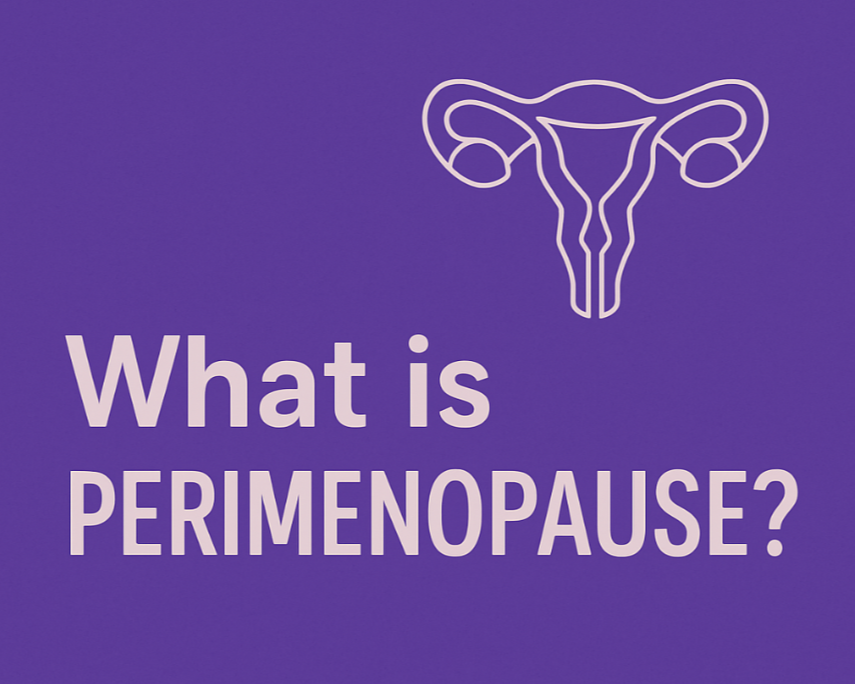
As oestrogen declines, epidermal turnover slows considerably, leading to a buildup of dead cells that leaves skin looking flat and sallow. Flower acids gently accelerate this sluggish renewal process, encouraging fresher cells to the surface. Their mild nature is crucial during menopause, when the skin barrier is already compromised and poorly equipped to withstand aggressive exfoliation. The result is a brighter, more even-toned complexion without the inflammatory cost.