



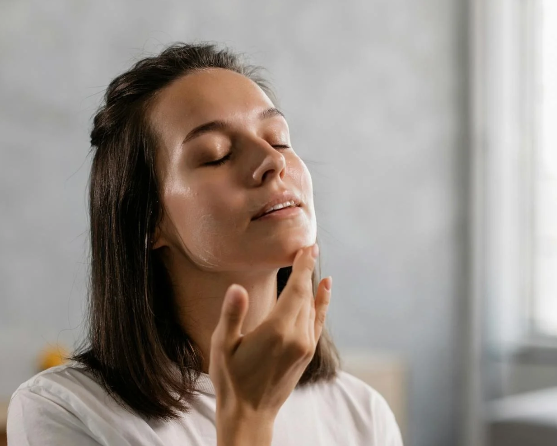
Flower Acids

Botanical Exfoliants to Support Gentle Renewal and Radiance
Flower Acids are naturally derived alpha hydroxy acid (AHA) alternatives sourced from various floral extracts, including hibiscus, passionflower, and rose. Known for their ability to support gentle exfoliation, hydration, and skin softening, they offer a plant-based approach to improving surface clarity and tone—without the intensity often associated with traditional chemical exfoliants.
For skin undergoing menopausal changes—such as reduced turnover, dullness, or texture buildup—flower acids provide a more delicate, skin-friendly way to encourage a fresher, smoother appearance.
A Brief History of Flower Acids in Skincare
Historically, floral waters and botanical infusions were used in traditional beauty rituals to cleanse, refresh, and brighten the skin. As cosmetic science evolved, researchers identified certain flower-derived acids—especially from Hibiscus sabdariffa—that deliver natural exfoliating properties similar to AHAs, but with added moisturising and antioxidant benefits.
Modern skincare harnesses these compounds in low-irritation formats ideal for regular use, even on sensitive or mature skin.
How Flower Acids Support Skin During Menopause
As skin renewal slows with hormonal shifts, the outer layer of the skin may become uneven, rough, or visibly dull. Flower acids work to gently lift away this buildup, helping skin look more radiant and feel softer—without compromising comfort.
Callout: Flower Acids and Menopausal Skin Changes
|
Common Skin Symptom During Menopause |
How Flower Acids May Help |
|
Dull or uneven skin tone |
✅ Gently resurfaces to reveal a fresher, more luminous appearance. |
|
Fine lines and texture irregularities |
✅ Promotes a smoother, softer surface over time. |
|
Slower cell turnover |
✅ Supports natural exfoliation with less risk of irritation. |
|
Dry or dehydrated skin |
✅ Often paired with hydrating compounds for balanced results. |
|
Increased sensitivity |
✅ Typically more tolerable than synthetic or strong AHAs. |
|
Barrier fragility |
⚠️ Best used with moisturising and barrier-repair ingredients. |
Legend:
✅ Cosmetic benefit supported by traditional use or emerging research
⚠️ May offer indirect support or work best in combination with other ingredients
Visible Results with Consistent Use
With regular application, flower acids may help skin appear brighter, smoother, and more even in tone. Their mild exfoliating action makes them especially suitable for midlife and sensitive skin, offering visible surface renewal with a soft, botanical touch.
They’re most commonly found in toners, masks, and overnight treatments formulated to support radiance and clarity.
Alternative Names and Labeling Terms
Flower Acids may appear on ingredient labels under several names, depending on the source flower and method of extraction. Common examples include:
-
Hibiscus Sabdariffa Flower Acid
-
Passiflora Edulis Fruit Extract (Passionflower)
-
Tropical Flower AHA Complex
-
Floral AHA Blend
-
Botanical Exfoliant (Flower-Derived)
-
Hibiscus Alpha Hydroxy Acids
These terms refer to non-synthetic acids extracted from flowers, often combined with antioxidants or hydrators to enhance tolerability and overall skin comfort.
This content is for informational use only and not intended to diagnose or treat any condition. Always consult a qualified skincare provider for personalised product recommendations.